


Security officials said Sunday night that attempts were made to intercept the Iranian missile that struck a residential shelter in Beit Shemesh, but the interceptor missed.
Senior officials later said that the Israeli Air Force did not deploy an Arrow interceptor against the ballistic missile that struck a building in Beit Shemesh, killing nine people. They added that the probability of a successful interception by the Arrow system — considered to have one of the highest success rates in the world against ballistic threats — would have been significantly higher than that of the interceptor launched from another system. An IDF official said several interceptors were fired at the missile but failed to bring it down.
The Iranian fatal missile hit in Beit Shemesh


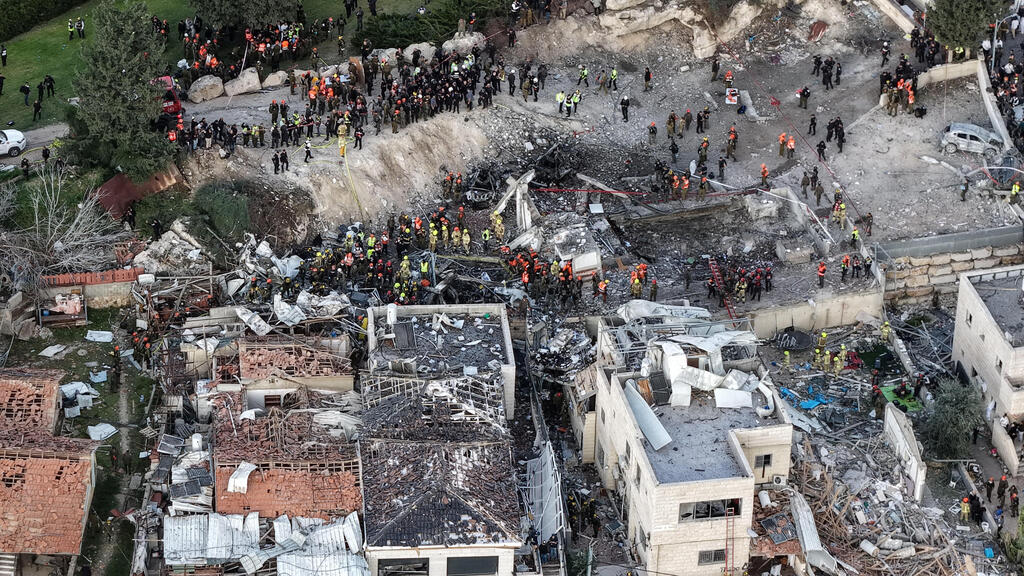
The scene after the deadly hit
The official stressed there is no policy to limit the use of interceptors and said Iran has so far launched fewer than half the number of missiles it fired during the first two days of previous Operation Rising Lion “The air defense array has achieved very high interception rates, but the defense is not hermetic,” the official said, adding that the incident remains under investigation. “A direct hit can penetrate. This underscores the need to address the surface-to-surface missile threat. It is a real existential threat.”
The direct hit killed at least nine people and wounded 51, marking the deadliest single incident since the start of Operation Roaring Lion. Police said 11 people remain unaccounted for as search and rescue teams continue combing through the rubble.
Officials said the strike underscores the severity of Iran’s surface-to-surface missile threat. “A direct hit can penetrate. This sharpens the urgent need to address the missile threat. It is a truly existential threat,” one security source said.
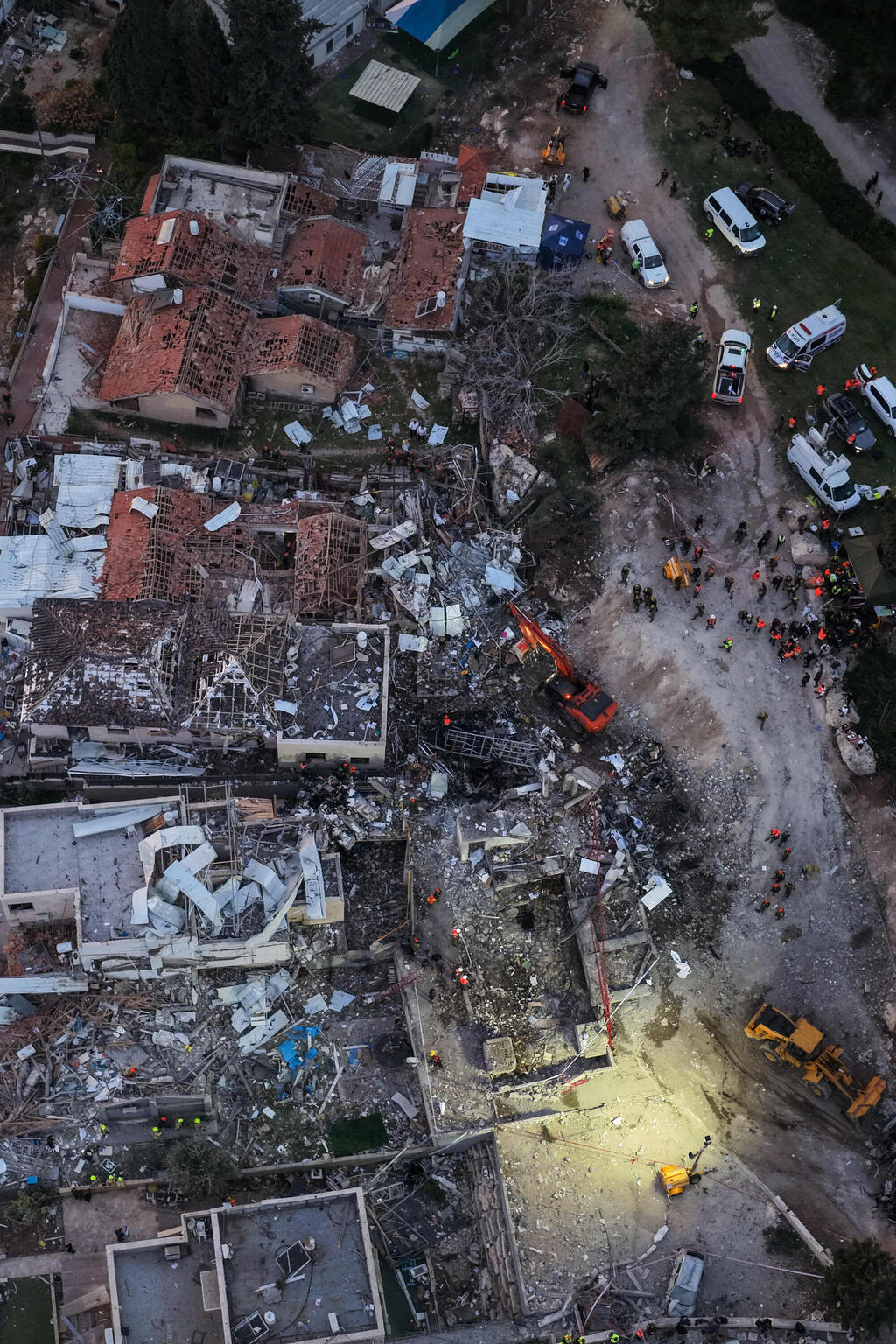
The blast collapsed the roof of the shelter and nearly destroyed eight homes in the compound. Emergency crews, Home Front Command units and fire services continued working at the scene.
On the broader campaign, security officials said Israel is expanding strikes against Iran’s Basij militia and what they described as the regime’s repression mechanisms.
“We will strike all mechanisms of repression and the entire industry that feeds the Iranian regime with weapons,” officials said. “This is not a one-day or two-day operation. It will take time.”
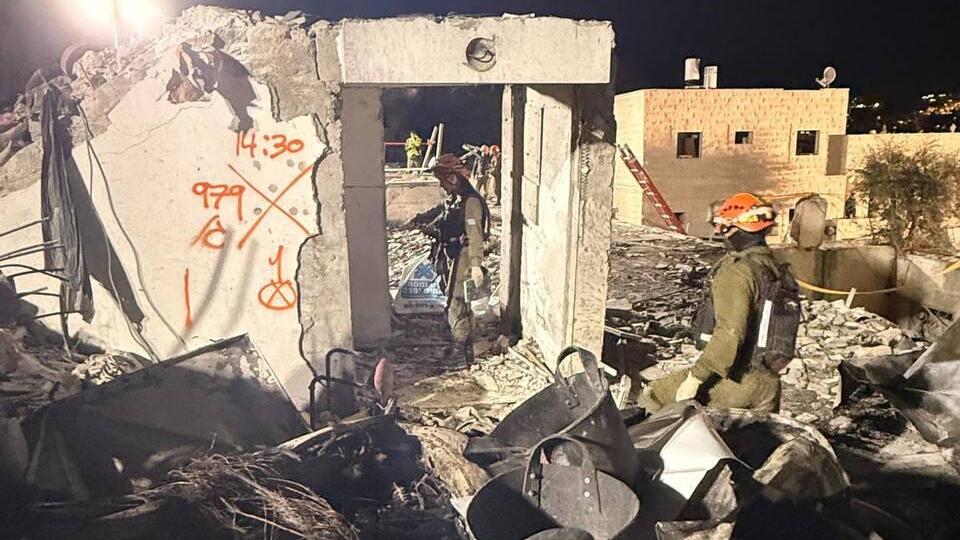
Beit Shemesh
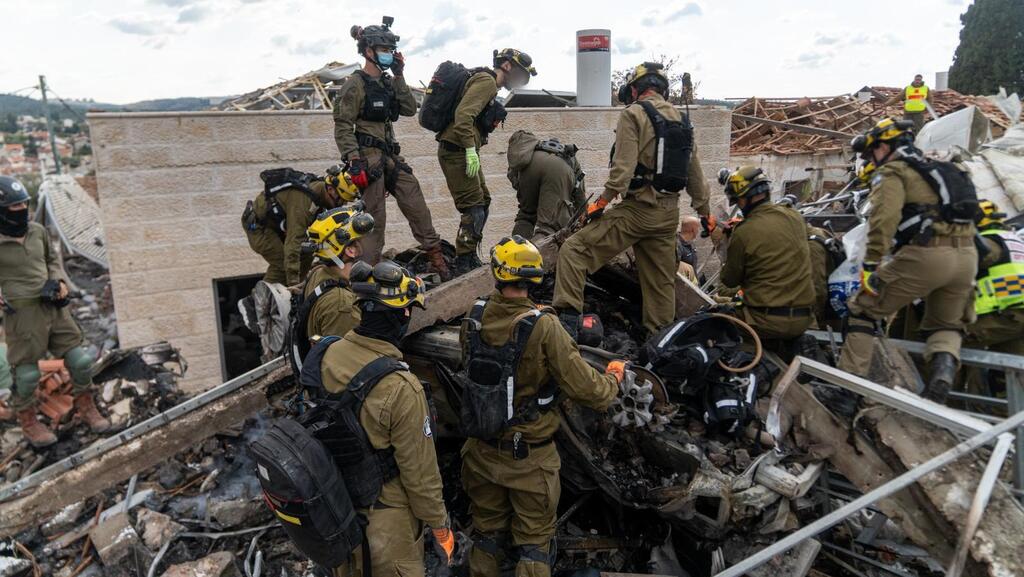
(Photo: IDF)
They compared the current campaign to June’s Operation Rising Lion, describing that effort as an emergency response, while the current operation is aimed at removing the threat more comprehensively.
“The Iranian regime decided after the previous operation to return to a plan to destroy Israel and to rebuild its missile program. It fortified its nuclear program,” officials said. “That is why we entered an accelerated process of preparations to strike its capabilities more significantly.”
Officials said that after an initial surprise strike, Israel moved rapidly to target Iranian fire arrays and achieved air superiority in less than 24 hours. Since the start of the operation, more than 2,000 munitions have been dropped, about half the total used during Operation Like a Lion, they said.
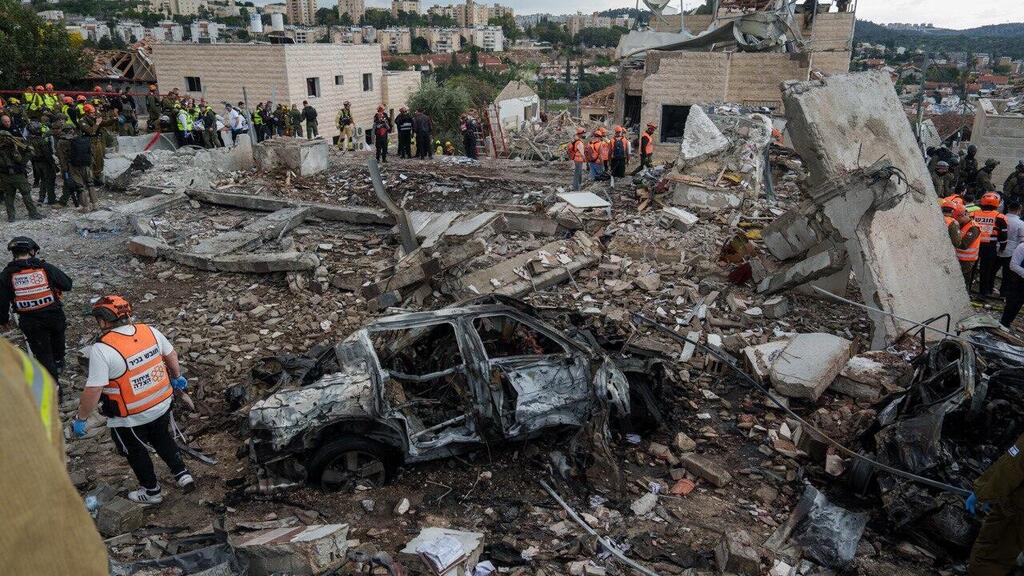
(Photo: Shalev Shalom)
(Photo: Ilan Rosenberg/ Reuters)
Israel is coordinating closely with the United States, according to the officials. “Our scope of strikes is slightly broader, which creates congestion in the airspace, but we have mechanisms to manage it,” one official said, adding that U.S. forces are operating in southern sectors while Israel focuses on western areas. The Americans are using all available means, including B-2 bombers, officials said.
The Israeli Air Force said it has intercepted more than 50 drones launched from Iran since the start of the operation. It also struck two Iranian fighter jets, an F-5 and an F-4, that were preparing for takeoff in Tabriz, western Iran.
Israeli Air Force launches raid on Iranian military targets
(Video: IDF)
Security officials said Iran has adapted its tactics since the previous campaign, launching missiles from more distant locations and dispersing fire rather than relying on massive barrages.
“For the defense system, this kind of drip-fire is more manageable, even if for the public it means repeated entries and exits from protected spaces,” an official said.
They acknowledged that Iran still retains the ability to launch missiles, but urged continued public compliance with safety instructions. “With responsible behavior from civilians, we will be able to operate properly,” one official said.
First published: 20:26, 03.01.26