


For the past two weeks, 36th Division troops have been operating in southern Lebanon. In one of the combat teams maneuvering deep inside the enemy territory, soldiers from the Golani Brigade's 12th Battalion are taking part. Lt. Col. M., the battalion commander, said that despite the military’s claim that the strategy is defensive, the reality on the ground is different.
“I understand that the senior command calls this a ‘defense’ or a security zone, as if this is a defensive battle,” he said. “But on the ground, we are reaching farther than we did in Operation Northern Arrows,” he added, referring to the IDF's ground incursion into Lebanon in 2024. He stressed: “We are in a full-scale maneuver, with ground and air forces.”
36th Division troops operating in southern Lebanon
(Video: IDF)


Describing the fighting, Lt. Col. M. said Hezbollah had drawn lessons from the previous operation. “They took one of the villages and tried to turn it into a model,” he said. “They built underground infrastructure and brought in a great deal of weaponry. It was essentially a forward base from which terrorists went out to attack the IDF and the communities,” he added.
Ambushes, surprises and lessons from Gaza
Golani’s combat team launched attacks in villages with the aim of pushing Hezbollah beyond the Litani River, a key river in southern Lebanon that has long figured in Israeli security planning because it lies north of many border communities.
The stated goal was to move the threat of rocket fire farther away from Israeli towns along the confrontation line and from the northern border more broadly.
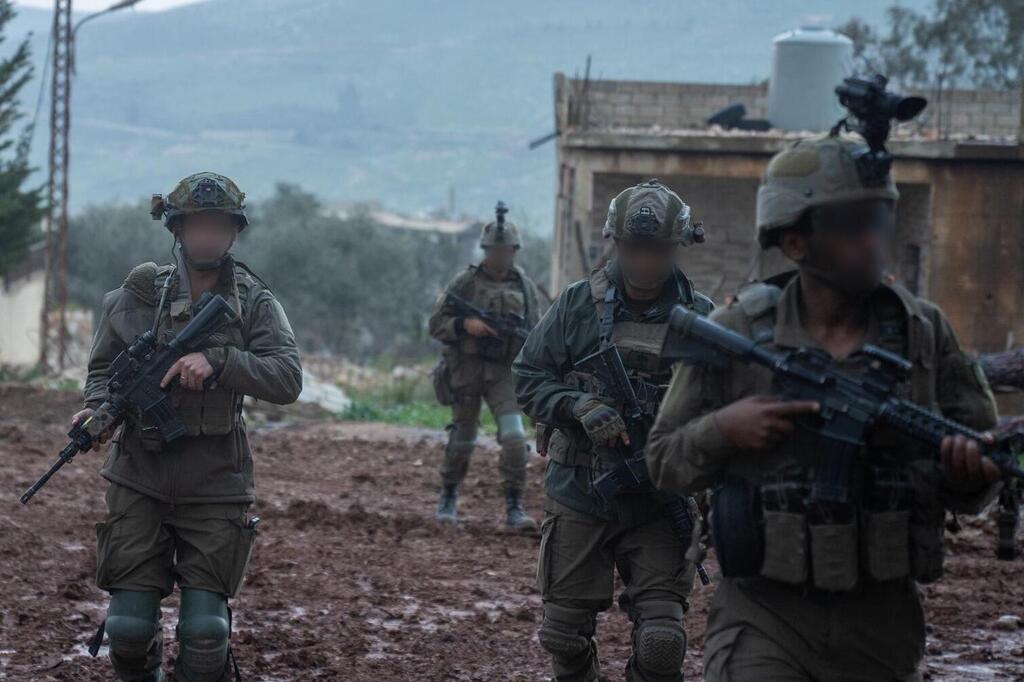
Shortly after beginning their first mission, the troops were ambushed by terrorists and fought at extremely close range.
“We surprised them. We moved into the heart of the village from an unexpected direction,” Lt. Col. M. said. “They were prepared for us from another direction, and after a whole night of moving through the sector, we came into close, direct contact with them and opened fire. There were exchanges of gunfire from distances of five to 10 meters,” he said.
“It was a long battle, one that lasted about 10 hours. We killed eight terrorists in that battle, and several others who fled were closed in on with aerial assets. They were carrying vests and weapons. They were highly organized.”
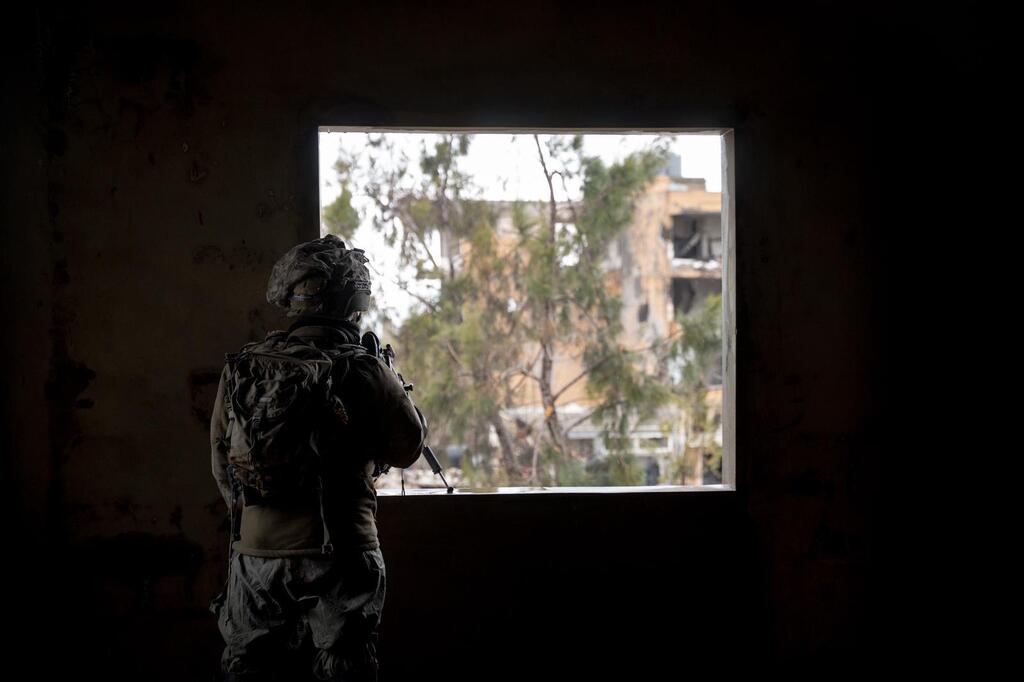
(Photo: IDF)
The Golani Brigade is deeply familiar with the Lebanese terrain and has long been associated with fighting in that theater. But for the past year and a half, the 12th Battalion had been heavily engaged in combat in the Gaza Strip.
“We wanted to come back here,” Lt. Col. M. said. “This is where I grew up. The brigade knows this terrain and knows how to fight in Lebanon’s topography. There is a significant weather challenge here, as well as a lot of mud, and it is not easy for vehicles to move in this kind of terrain, but we are carrying out the mission.”
He said the battalion had also brought lessons from Gaza. “We learned a great deal from the fighting in the Strip, and our entry into target areas is done slowly and in a controlled manner, with lots of drones, artillery and firepower. We have many combat techniques from the Strip that are being applied in these battles.”
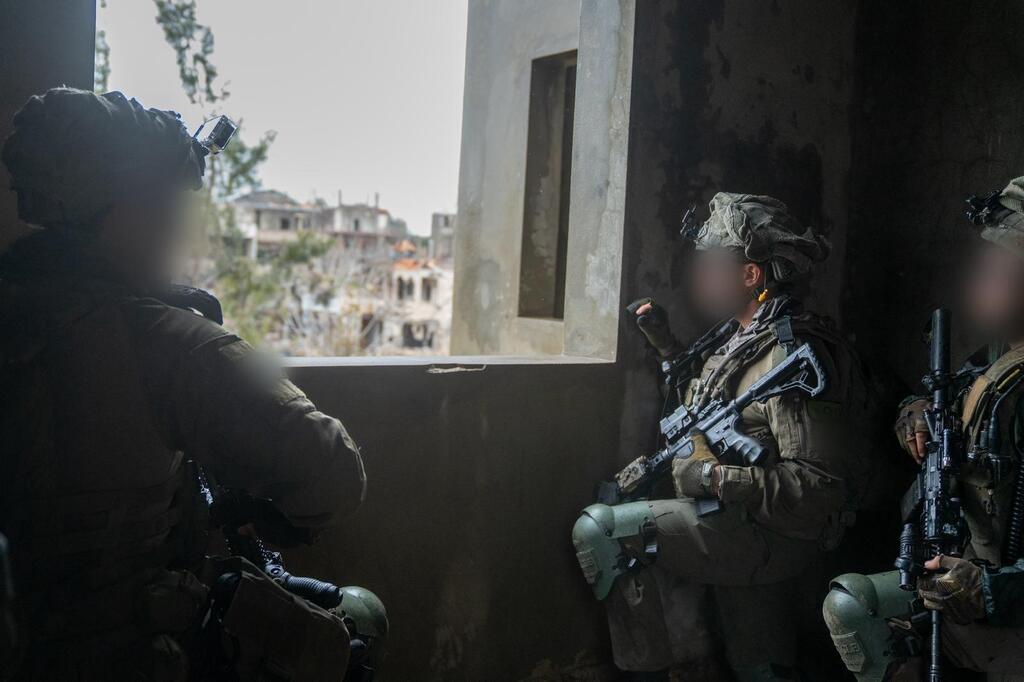
(Photo: IDF)
One of the biggest challenges facing troops deep inside the area is the steady rocket fire directed at them. Lt. Col. M. said Hezbollah fighters are firing an average of nearly 150 rockets a day, with about 70% aimed at soldiers operating in southern Lebanon. “First of all, that is the goal, that they fire at us and not at the communities,” he said.
“But there is no doubt that this is a challenge,” he added. “We have between zero and five seconds to take cover. The warning time is almost nothing, so we get into vehicles, and there are also defense systems. The IDF carries out artillery fire toward the sources of the launches and then ‘hunts’ them. The soldiers are constantly in full protective gear and enter houses on the lower floors. This is complex fighting, but we are defeating them.”