

Iran continued firing missiles today at Israel — and also at Gulf states. Qatar, Bahrain, Kuwait and the United Arab Emirates were among the targets Thursday and for the first time Azerbaijan was also struck. Satellite images released in recent days show the extensive damage caused by Iran across the region.
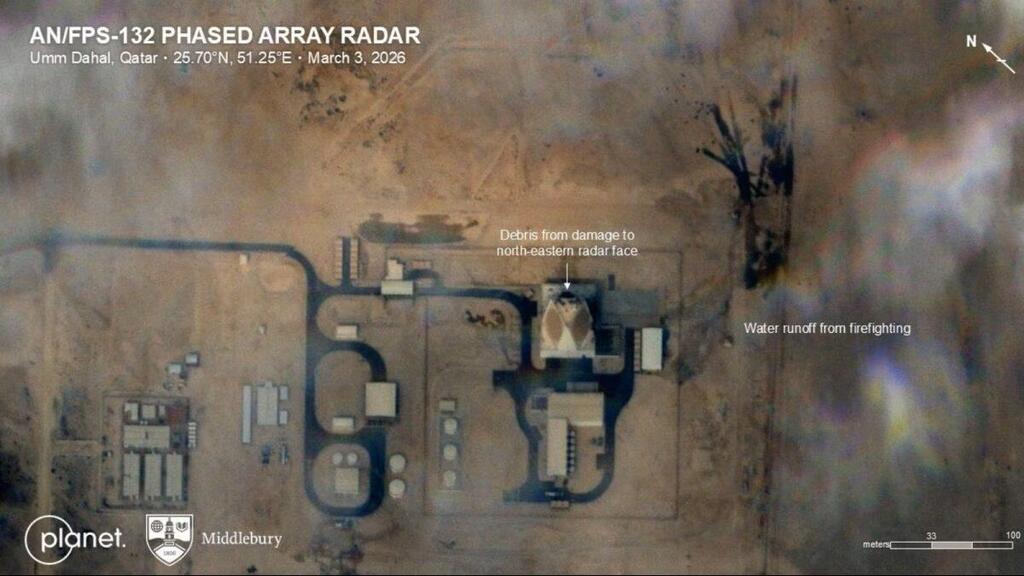
One of the images shows a strike on a strategic U.S. radar base in Qatar. Images from the company Planet Labs show the damage caused Saturday to the Al-Khor strategic radar site, north of the U.S. Al-Udeid Air Base in Qatar.
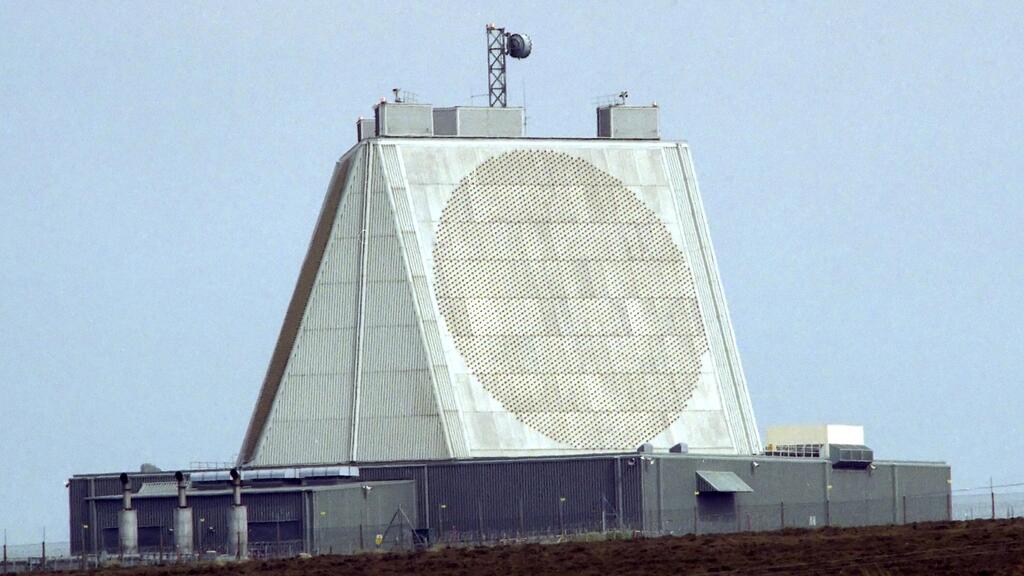
There are only six such systems in the world
(Photo: Wikipedia)
The strike near an airport in Azerbaijan


Iran’s Islamic Revolutionary Guard Corps said at the time that it had struck the site with a missile. However, according to various assessments, it was likely a suicide drone that hit the AN/FPS-132 (Block 5) ballistic missile early-warning radar system operated by the U.S. Space Force in Qatar, valued at about $1.1 billion.
The radar is the largest operated by the United States in the Middle East, with a detection range of about 5,000 kilometers (3,100 miles). The United States operates similar radar systems at only three sites on its own territory, with additional systems deployed in the United Kingdom and Greenland.
Military affairs analyst Ron Ben-Yishai said the strategic detection radar in the area was indeed hit, but was not completely disabled. Work is underway to repair it quickly using spare parts that will arrive from the United States. The damage shortens the warning time for ground-to-ground missile launches from Iran toward Israel and Jordan. However, the radars of Aegis missile defense destroyers deployed in the Gulf compensate for the gap.
From Israel’s perspective, the impact is limited because Israel lies near the outer edge of the range of Iran’s missiles. However, the damage to the radar makes it more difficult for Patriot and THAAD missile defense batteries protecting Qatar, Bahrain and Saudi Arabia, shortening their detection time and window for interception.
Other satellite images released in recent days show damage caused by Iran to major sites across the Gulf: the Ras Tanura oil facility in Saudi Arabia; Ali Al Salem Air Base in Kuwait; Jebel Ali Port in Dubai; the Breaker Tower in the Seef district of Bahrain; and the headquarters of the U.S. Fifth Fleet in Bahrain.
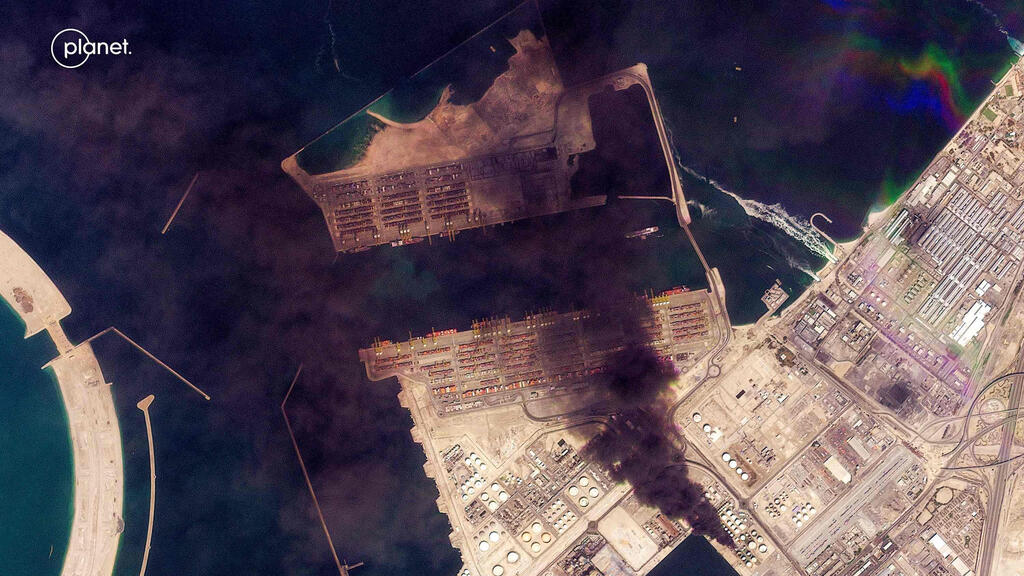
(Photo: AFP PHOTO / © 2026 PLANET LABS PBC)
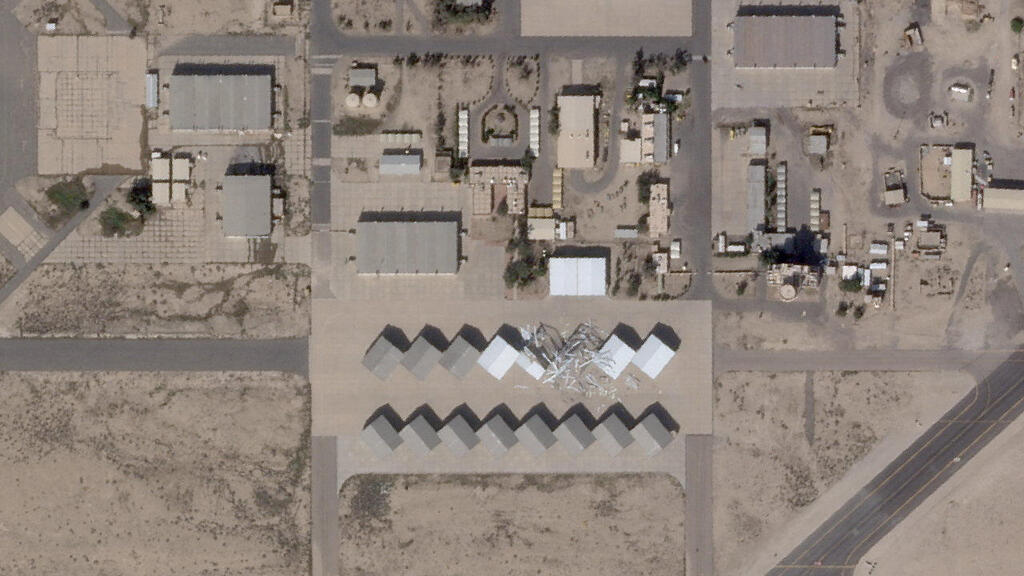
The damage to Ali Al Salem Air Base in Kuwait
(Photo: Planet Labs PBC /Handout via REUTERS )
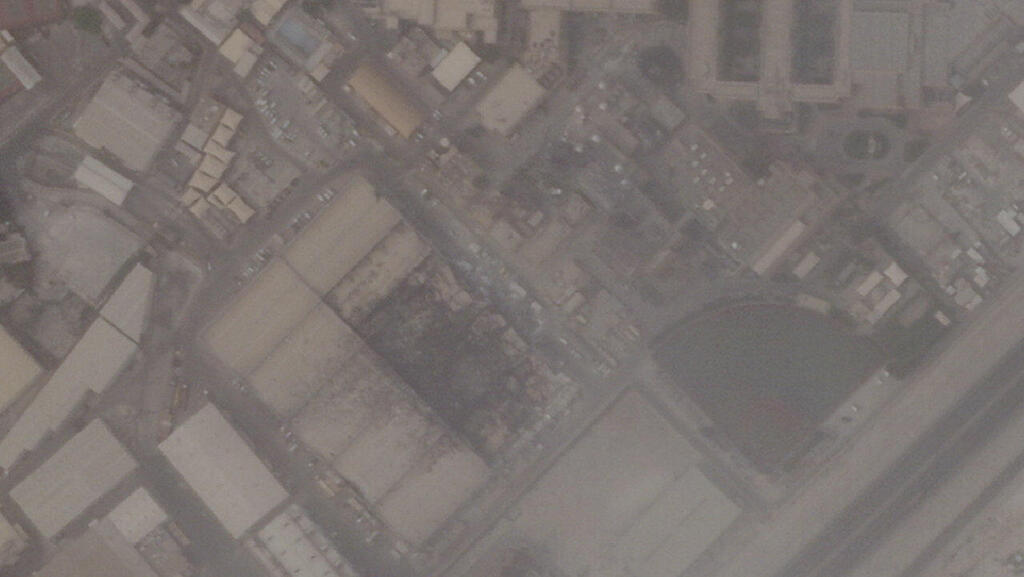
The strike on the US Fifth Fleet base in Bahrain
(Photo: Planet Labs PBC/Handout via REUTERS)
According to data from the Institute for National Security Studies (INSS) data center, about 200 missiles and 10 drones were launched at Israel in the first five days of the war. Far higher numbers were fired at the United Arab Emirates — 941 drones, 189 ballistic missiles and eight cruise missiles.
Iran fired 92 drones and 74 missiles at Bahrain; 41 drones and 112 missiles at Qatar; 36 drones and 13 missiles at Jordan; 178 ballistic missiles and 384 drones at Kuwait; and 14 drones and five cruise missiles at Saudi Arabia. Other Iranian targets included Iraqi Kurdistan, Oman and Cyprus.
Qatar issued a statement Thursday condemning the Iranian attacks, saying it “calls for an end to Iran’s irresponsible policy that undermines regional security.”
Bahrain said it was facing “successive waves of Iranian terrorist attacks.” Azerbaijan, after the first strike on its territory, said it is “preparing response measures. The attack will not go unanswered.”