


A Palestinian journalist sparked a political and media storm after publishing a post attacking Jordan and its leadership, drawing widespread backlash in both Palestinian and Jordanian social media.
Mariam Tarifi, an employee of the Palestinian Authority’s official television network, wrote a series of disparaging remarks targeting Jordan, its citizens and the royal family, including indirect criticism of King Abdullah.
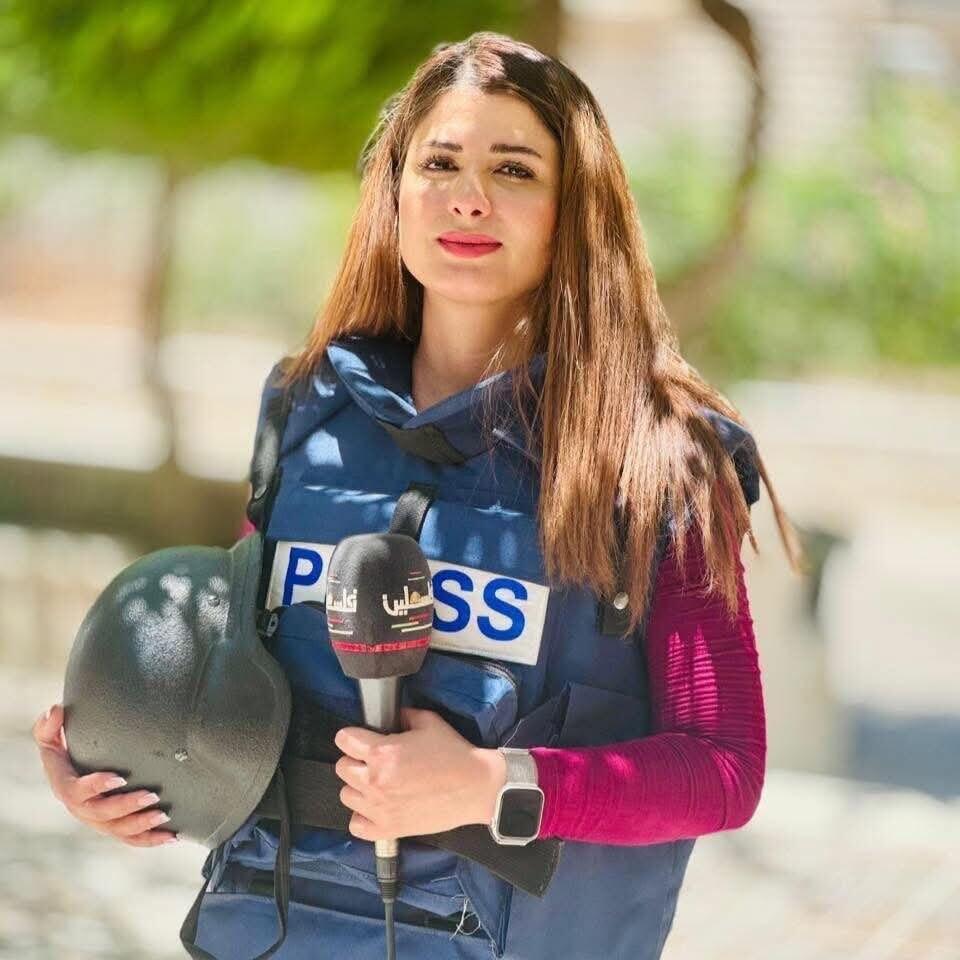
Her post quickly escalated into a regional controversy, fueling heated exchanges between Palestinian and Jordanian users online.
Among the remarks, Tarifi wrote: “You sold yourselves to the Gulf. You have factories working for Jews,” alongside additional insults directed at Jordanians, whom she accused of submission and lacking national identity.
She also used a derogatory term for Israel in the post.
Backlash in Jordan and official response
The remarks triggered outrage in Jordan, where many viewed them as crossing a red line and insulting national dignity.
Following the backlash, Palestinian authorities announced an immediate review. In a statement, the Palestinian Broadcasting Corporation said Tarifi had been suspended and that an investigative committee was formed to examine possible legal and disciplinary measures.
The statement stressed that her comments “do not represent the position of the channel,” adding that its policy is based on respect for Arab states and their symbols.
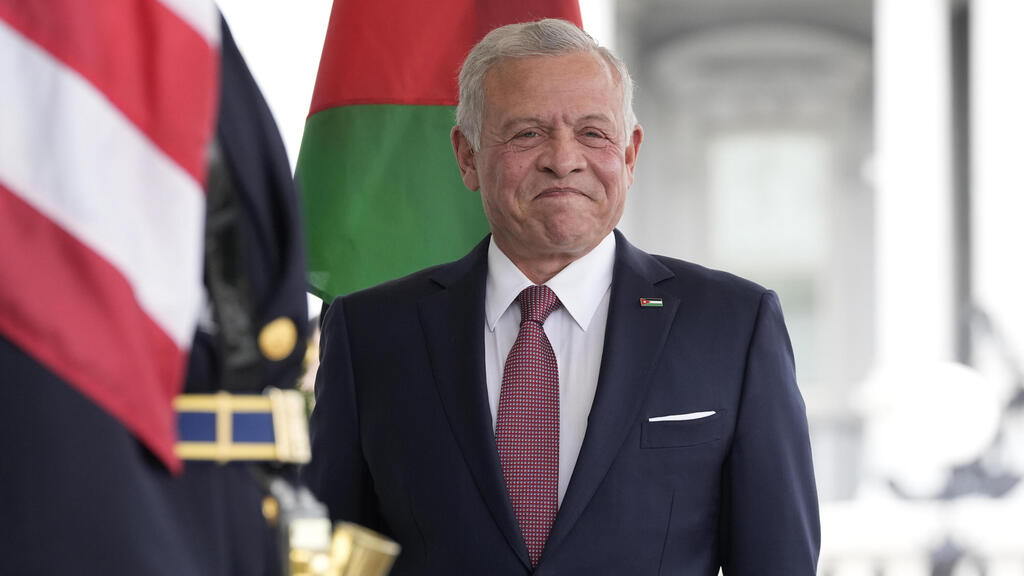
King Abdullah of Jordan
(Photo: AP/Alex Brandon )
According to reports, authorities in Amman are also considering measures against Tarifi, including the possible temporary revocation of her Jordanian passport.
Reactions among journalists and activists in Jordan were mixed. Some condemned Tarifi’s remarks and emphasized the importance of relations between Jordanians and Palestinians, while others criticized what they described as a disproportionate response by authorities.
Jordanian journalist Asem al-Maayta said the outrage stemmed from the insult to Jordan itself, stressing that political criticism does not justify attacking a country’s identity.
Palestinian journalist Omar Dawwas, however, argued that while a mistake was made, it should not lead to what he described as a one-sided backlash, pointing to broader patterns of incitement on social media.
The episode has reignited debate over the balance between freedom of expression and professional responsibility, particularly for journalists working in official media outlets.
Media researcher Mariam Shuman said the incident highlights “the cost of unrestrained expression in the social media era,” where local controversies can quickly escalate into regional disputes.
The tensions also reflect the sensitive relationship between the Palestinian Authority and Jordan, shaped by deep political, historical and demographic ties.
Officials in Ramallah stressed the importance of maintaining strong relations with the kingdom and expressed appreciation for Jordan’s role in supporting the Palestinian cause.
For now, the investigation into Tarifi is ongoing, with a decision expected in the coming days.