

European allies are resisting U.S. pressure to establish a joint patrol in the Strait of Hormuz until they see a stable ceasefire in the war with Iran, Politico reported Wednesday, describing the standoff as one consequence of Washington’s repeated attacks on some of its closest partners.
U.S. Defense Secretary Pete Hegseth has been pressing Britain and France to help lead the maritime coalition, but despite support from his British counterpart, Wes Streeting, the effort has encountered widespread suspicion across Europe, according to four British officials and one U.S. official who spoke with Politico.
Gallery
US urges European allies to join Hormuz mission, but they are in no hurry
(Photo: Brendan SMIALOWSKI / AFP, REUTERS/Stringer)
Hegseth and President Donald Trump have repeatedly criticized European countries in recent months for refusing to become involved in the war with Iran.
The latest initiative is Washington’s most concentrated attempt to secure allied assistance, and comes after months of fighting drove up gas prices, fueled broad public criticism and left the strait largely closed.
A British defense official told the Financial Times on Saturday that concern was growing in London over a possible escalation and its consequences.
“People do not understand how serious the situation in the Strait of Hormuz is, and it is about to erupt,” the official said.
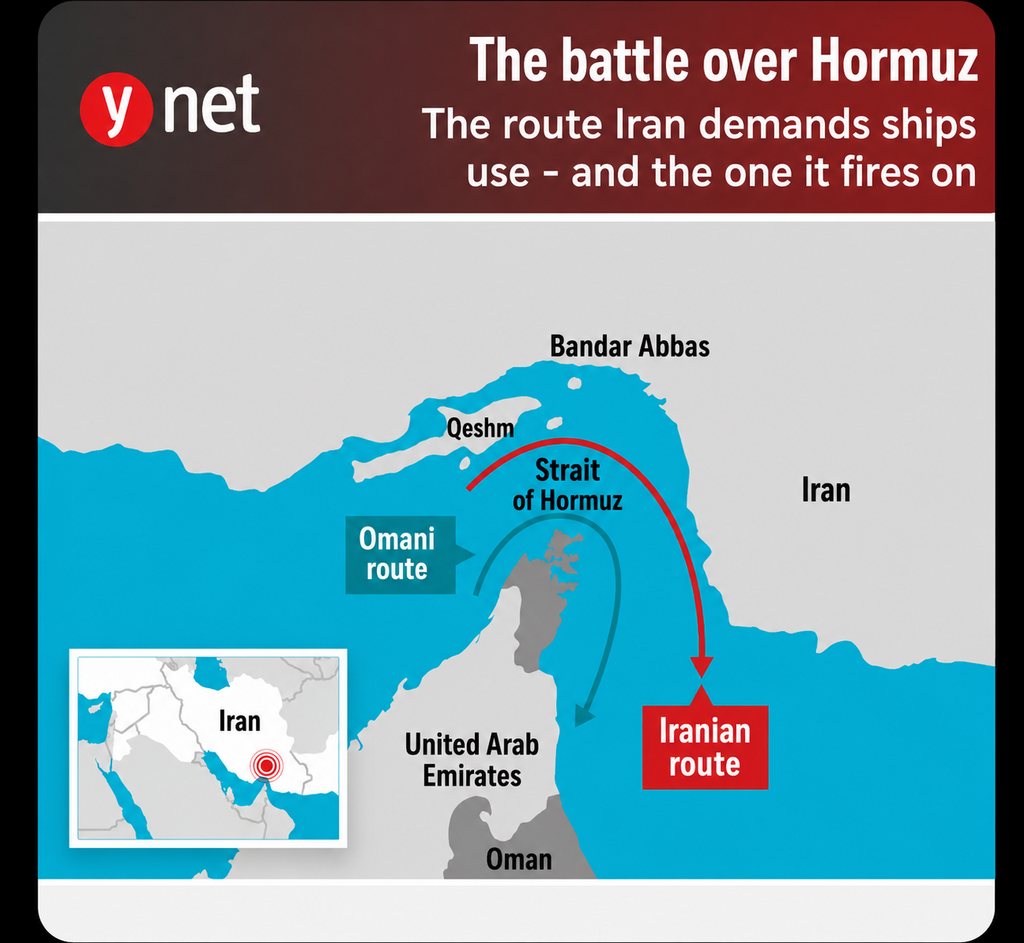
The United States and Britain hope to convene an international conference in London to define participating countries’ roles and determine which warships would search for naval mines or protect civilian vessels in the strait, which Iran has effectively paralyzed.
However, the five officials who spoke with Politico warned that the initiative had made little progress and that no movement was expected soon.
The United States has halted its attacks on Iran since Friday, following 12 days of renewed bombing, although officials have not said what prompted the pause.
Hegseth raised the patrol proposal during a conversation with Streeting on Friday, according to one British official.
The official said the call focused on gathering support from allies for a defensive U.S.-led mission, rather than seeking European participation in offensive strikes against Iran.
The official added that Hegseth and Streeting spoke Monday with French Armed Forces Minister Catherine Vautrin and discussed how to “work together to ensure freedom of navigation throughout the region.”
Despite the delay, two British officials said Streeting plans to speak with counterparts across Europe to coordinate a possible future multinational mission in the strait.
“The defense secretary is holding constructive discussions with allies on diplomatic and military efforts to strengthen maritime security, and those discussions will continue in the coming days,” one official said.
The Pentagon and Britain’s Defense Ministry declined to comment on the report. The White House and the French Embassy in Washington did not respond to Politico’s requests for comment.
Relations between Britain and the United States have been strained in recent months after former British prime minister Keir Starmer refused to allow the U.S. military to use British bases for strikes against Iran.
Efforts now appear to be underway to repair the relationship.
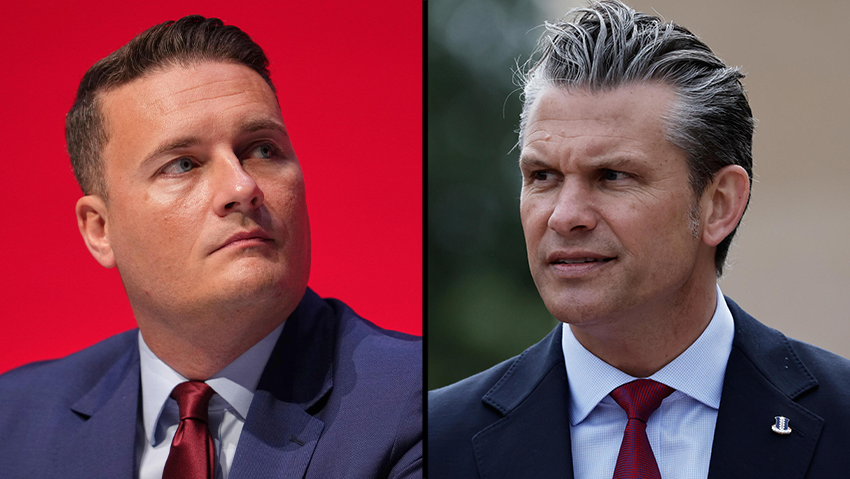
Wes Streeting and Pete Hegseth
(Photo: AP Photo/Jeremias Gonzalez, AP Photo/Jon Super)
On Monday, incoming Prime Minister Andy Burnham held his first conversation with Trump. Addressing Hormuz, Burnham’s office said he “emphasized Britain’s commitment to ensuring the movement of shipping through the strait in order to support global supply chains and reduce costs for businesses and families across the country.”
‘The U.S. did not behave like a partner’
Two European officials told Politico that U.S. allies on the continent were frustrated by the Trump administration’s refusal to provide advance warning before the Israeli-American war against Iran began in February.
As a result, they are reluctant to “jump into a new and dangerous mission” after concluding that the White House did not treat them as partners.
US strikes in Iran


“There was no consultation with Congress, no consultation with allies, just boom,” Democratic Sen. Chris Coons said in an interview.
“Trump is deeply frustrated that Congress does not support this, the American public does not support this, and our key allies do not support this,” he added. “You cannot be surprised when you throw a party and do not invite anyone.”
Streeting said earlier this week that Britain “did not join and will not join offensive U.S. military action in Iran.”
“That is an area where we disagreed with the United States,” he said. “But when it comes to securing freedom of navigation and free commercial shipping in the Strait of Hormuz, we are completely aligned.”
Fragile ceasefire, stalled shipping
Politico described the latest ceasefire as “fragile at best.”
Trump told reporters this week that the two sides were “talking right now” and that there was a “good chance” renewed diplomacy with Iran could produce a more permanent ceasefire or a diplomatic breakthrough.
Iran’s leadership, however, does not appear to share that assessment.
“At present, what exists cannot be described as a ceasefire,” Iranian Foreign Ministry spokesman Esmaeil Baghaei said.
Commercial shipping in the region remains largely frozen, with dozens of vessels carrying oil and other cargo trapped in the Gulf. The delays have only worsened in recent weeks.
According to Windward Intelligence, a private security company that monitors maritime traffic, no oil tanker crossed the Strait of Hormuz on July 27.
Commercial vessel crossings through the Bab el-Mandeb Strait, which lies farther south and links the Red Sea to the Gulf of Aden, have fallen by 22% since the Houthis announced a blockade on July 20.
Tanker traffic has dropped by 39%, while Saudi-linked crossings have declined by 46%, according to the company.