

After a short trip to China, U.S. President Donald Trump is set to return to Washington on Friday, where he is expected to hold a series of discussions on Iran.
The American president must now decide how to proceed with Tehran, with several options on the table: continuing negotiations in an effort to reach an interim agreement; renewing “Project Freedom” in the Strait of Hormuz while increasing military pressure on Iran; or resuming fighting, either through a limited, surgical strike or at high intensity.
Gallery
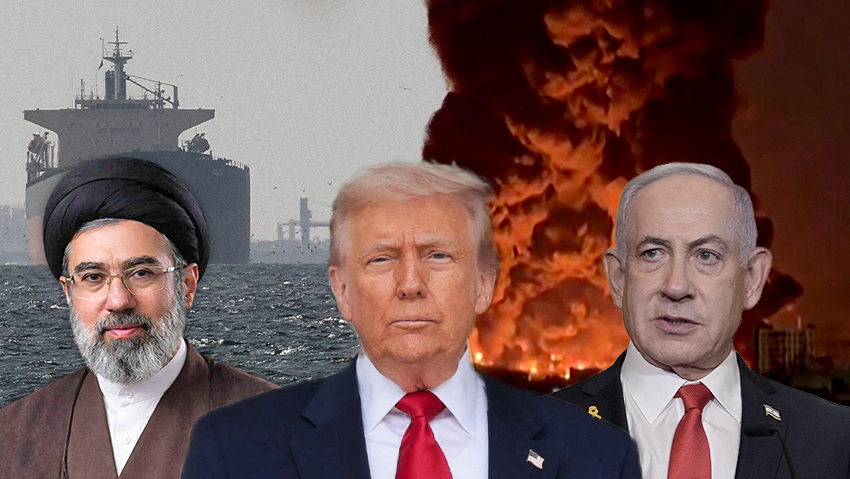
Mojtaba Khamenei, Donald Trump and Benjamin Netanyahu
(Photo: AFP - SOURCE: UGC / Reuters/ Jessica Koscielniak/Stringer, Oliver CONTRERAS/AFP)
Israel does not know what Trump will decide and understands that the decision could still take several days. Still, it is preparing for the possibility of renewed fighting, which would have direct implications for Israel.
Israeli officials are not certain the United States would ask Israel to join if it decides to resume combat. It is also possible that the Americans would prefer to ask Israel to stay on the sidelines. Washington understands that if Israel joins strikes on Iran, Tehran would fire missiles at Israel — creating a short path to high-intensity fighting on multiple fronts, potentially for a prolonged period, a scenario the Americans are not especially eager to see.
In any case, Israel’s political leadership has instructed the military to prepare for the possibility that the United States could renew fighting as early as this weekend.
In practice, since the start of the ceasefire, Military Intelligence and the Air Force have been working to renew the target bank, refresh operational capabilities and, above all, restore air superiority.
“This is not something that comes out of nowhere,” a security official said. “It is something that is built, and several actions are needed to achieve it. The enemy is learning.”
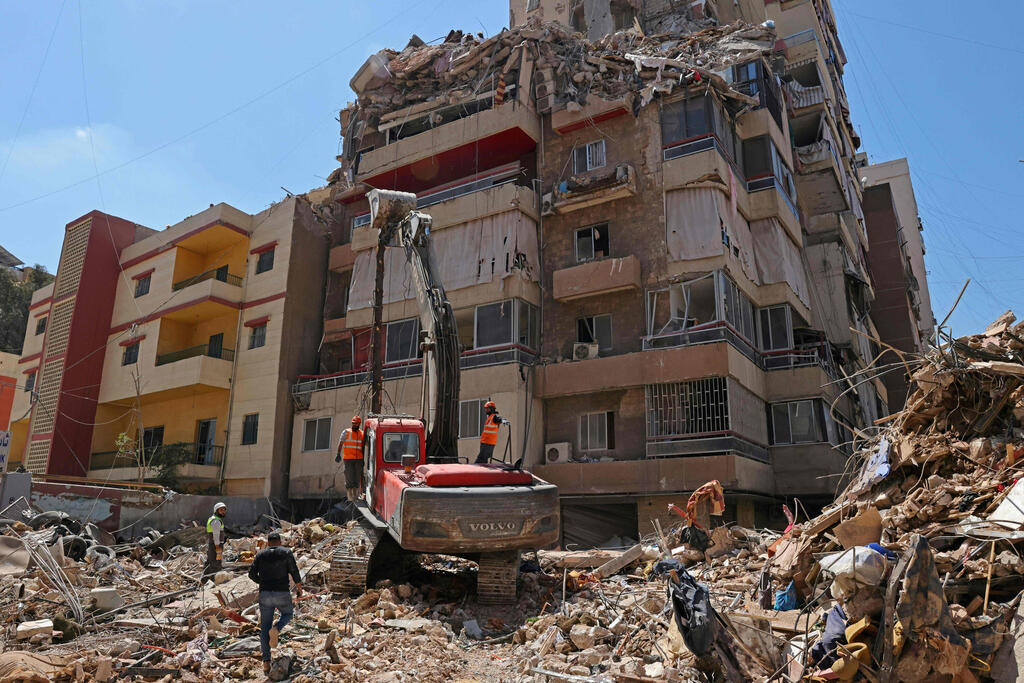
Lebanon after Israeli strikes
(צילום: Anwar AMRO / AFP)
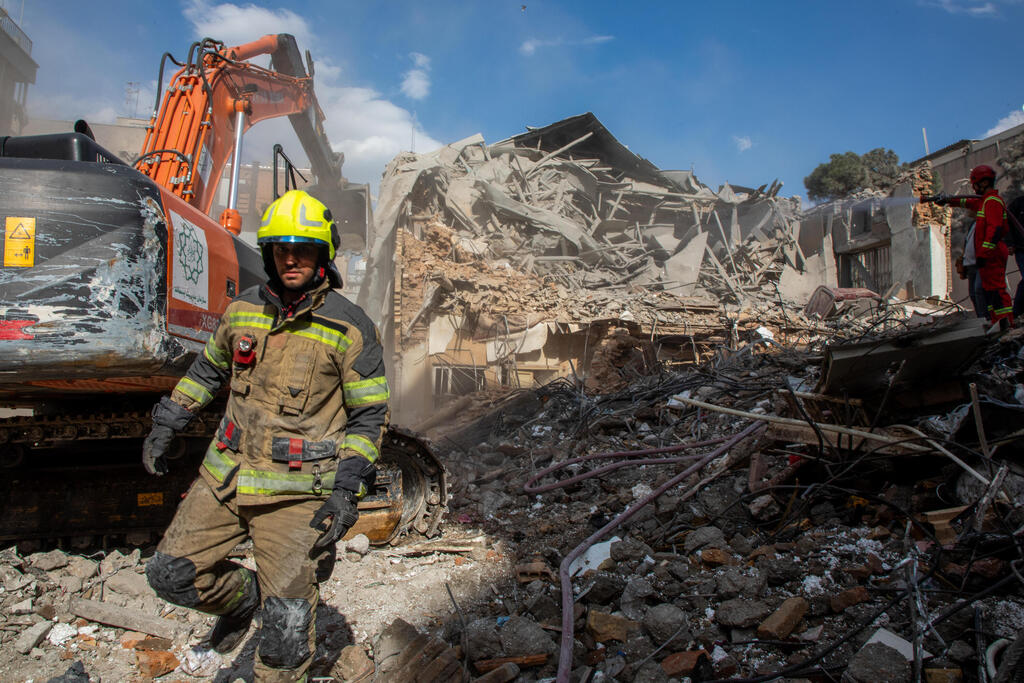
Tehran during the war with Israel and the US
(Photo: Majid Saeedi/Getty Images)
A range of possibilities is under discussion: from a broad resumption of fighting and strikes on energy facilities and critical infrastructure that Israel and the United States have so far avoided, to a more focused operation targeting high-value sites that would push the Iranians back to negotiations from a weaker position, to a renewed return to the Strait of Hormuz project.
In all these scenarios, Israel hopes to complete the mission — primarily removing Iran’s enriched nuclear material and also damaging its missile array, which Prime Minister Benjamin Netanyahu has described as an existential threat.
In recent weeks, representatives of the IDF and US Central Command have held discussions and worked on building a joint target bank in case fighting resumes.
Israel would like to see fighting renewed with a focus on infrastructure and energy targets, believing this would bring the regime closer to collapse. The Americans, however, are wary of that approach, understanding that Iran could respond by striking energy facilities in the Gulf, leading to another rise in oil prices.
For now, in any case, Trump appears to be giving negotiations with Iran another chance and wants to exhaust that option.
If American fighting against Iran is renewed, it would also have immediate implications for the war picture in Lebanon. In such a scenario, Israel would ask the United States for a “green light” to renew strikes in Beirut, amid Hezbollah’s increased use of explosive drones.
There is deep frustration in Israel that the United States is preventing operations in Beirut. Israel would like greater freedom of action, but at the same time it wants to give negotiations with the Lebanese government a chance.
Even if Washington grants the “green light,” IDF activity in Lebanon would be limited if fighting with Iran resumes, because Military Intelligence and the Air Force would be heavily invested in Iran.
The IDF is positioned deep inside southern Lebanon and is entrenching its presence between the border and the yellow line. Most villages in the first and second lines have been almost completely destroyed. If fighting resumes, the assessment is that Hezbollah, which has been pushed deeper into the territory, would act mainly against IDF forces in Lebanon and less toward deep Israeli territory.
Either way, the IDF remains on high alert — and is mainly waiting for Trump’s decision.