

Some 114,000 Democrats members will vote Monday in the party’s first primaries under Chairman Yair Golan, choosing the candidates expected to form its slate for the 2026 election.
Fifty-one candidates are competing for an estimated 10 to 12 places considered likely to secure seats in the Knesset. Voting will take place digitally by mobile phone, a format expected to produce a particularly high turnout.
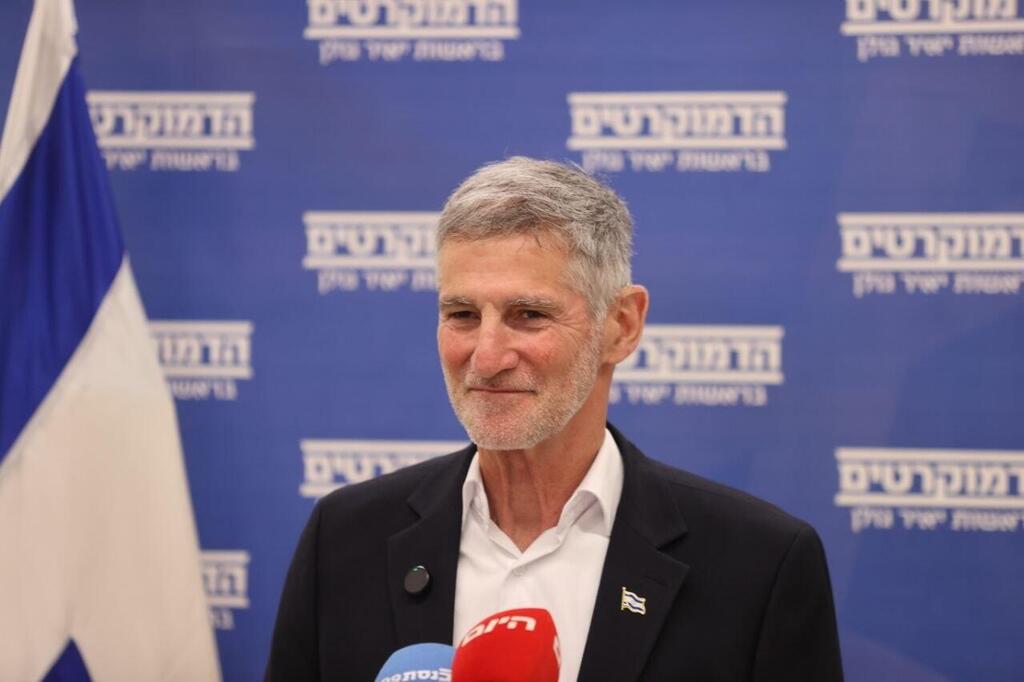
Each party member will receive a voting link and may select up to eight candidates. Voting will begin at 9 a.m. and end at 7 p.m., with results expected about an hour later.
The three incumbent lawmakers in the race, Naama Lazimi, Gilad Kariv and Efrat Rayten, are widely expected to take the top three places. Within the party, there is broad agreement that they should be rewarded for their work in the current Knesset.
The main uncertainty begins further down the list.
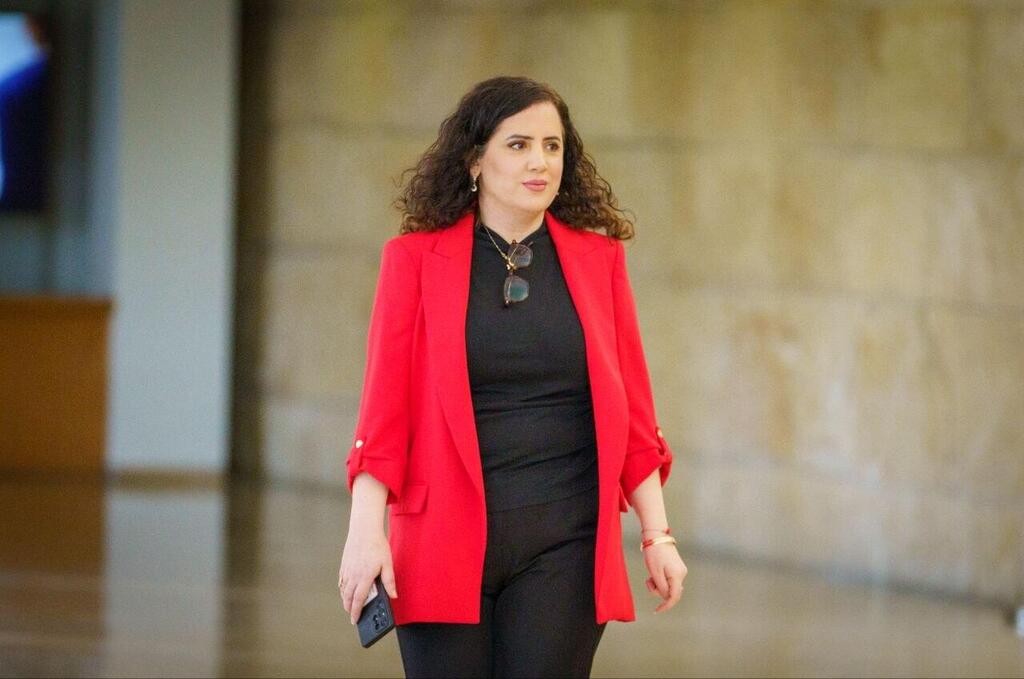
Naama Lazimi
(Photo: Shalev Shalom)
Moshe Radman, Yair “Yaya” Fink and Nimrod Sheffer are competing for fourth place. Fink is considered the strongest of the three because of his experience and political activity in the Labor Party.
Radman, one of the leading figures in the campaign against the judicial overhaul, is backed by many newer party members who joined the Democrats through the protest movement against Prime Minister Benjamin Netanyahu’s government.
Several candidates are competing for the next available place reserved for figures associated with Meretz. They include former lawmakers Gaby Lasky and Michal Rozin, as well as Yariv Oppenheimer.
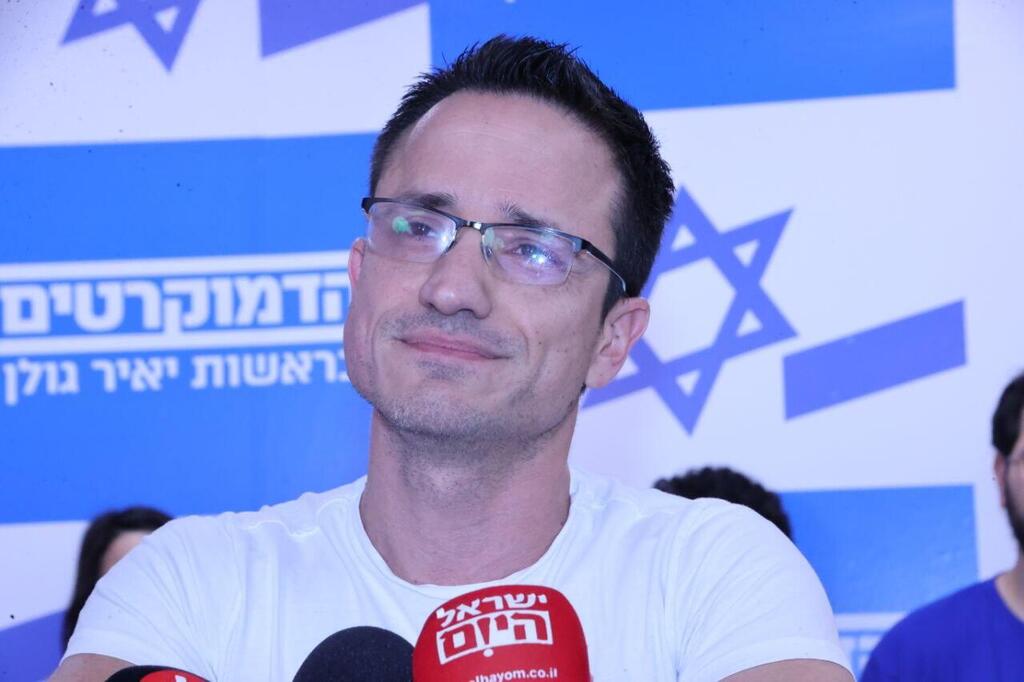
Moshe Radman
(Photo: Moti Kimchi)
Omri Ronen of Brothers in Arms is also seen as a possible top-10 candidate. Defense Minister Israel Katz gave Ronen’s campaign an unexpected boost Sunday when he sent a letter to the IDF chief of staff demanding that Ronen be removed from reserve service.
Former lawmaker Emilie Moatti is also competing for a place in the top 10.
Former lawmaker Ram Shefa and social activist Avi Dabush are contesting the slot reserved for a representative of the kibbutz or moshav sector. Several candidates are also competing for the minority-community slot, with northern candidate Soumaya Bashir considered among those with a realistic chance.

Ram Shefa
(צילום: קובי קואנקס)
The primaries are taking place amid tension between candidates associated with Labor and those identified with Meretz.
In recent days, senior Democrats officials, some acting with Golan’s support, have sought to weaken candidates viewed as too closely identified with Meretz or likely to shift the party further left.
That concern led Golan to secure two reserved places on the final slate, one in each group of 10 candidates.
Should the primary results produce a list he considers too heavily identified with Meretz, Golan may use those slots to bring in outside candidates and broaden the party’s appeal. Should he be satisfied with the outcome, he may choose not to use them.