

Ethiopian Prime Minister Abiy Ahmed has sent his cabinet ministers and other senior government officials to military training, an unusual move in a country where top civilian leaders rarely participate in such exercises. According to Abiy, the goal is to instill military discipline among decision-makers, which he believes will help develop determined leadership and advance Ethiopia's development.
The initiative was revealed in photographs the prime minister shared on social media over the weekend, showing him taking part in military exercises at the Hurso training center alongside ministers, their deputies and heads of government institutions. The BBC reported that participants include Finance Minister Fitsum Assefa, Health Minister Mekdes Daba and Muferiat Kamil, speaker of the House of Federation, the upper chamber of Ethiopia's parliament. It remains unclear exactly when the training began or how long it will last, but reports indicate that participation is mandatory.
Gallery
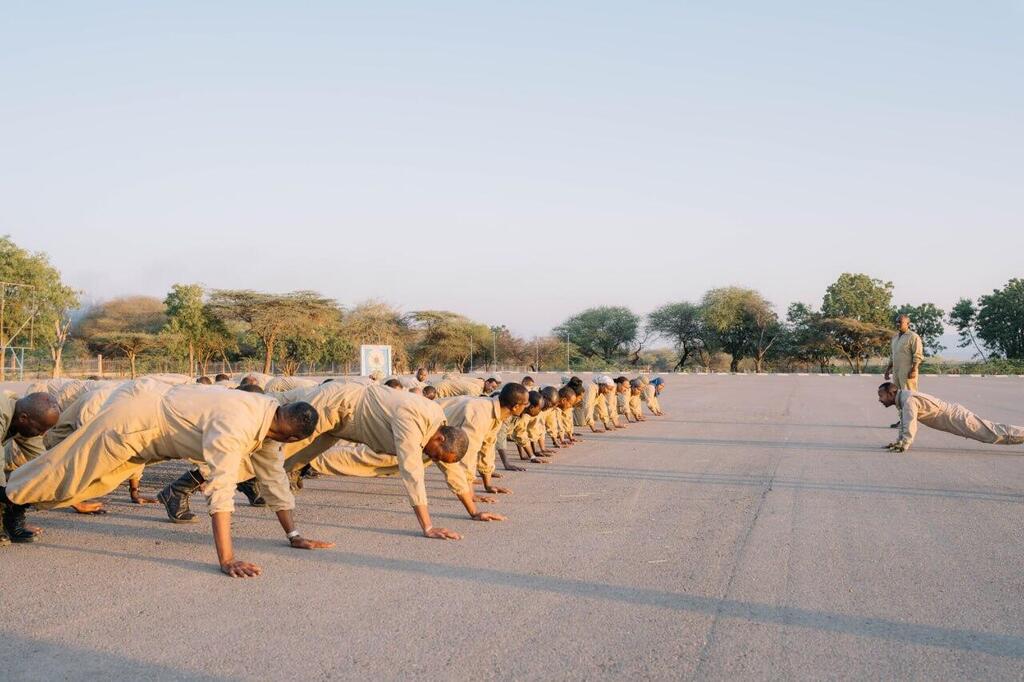
Prime Minister Abiy Ahmed and cabinet ministers perform push-ups at the Hurso military training center
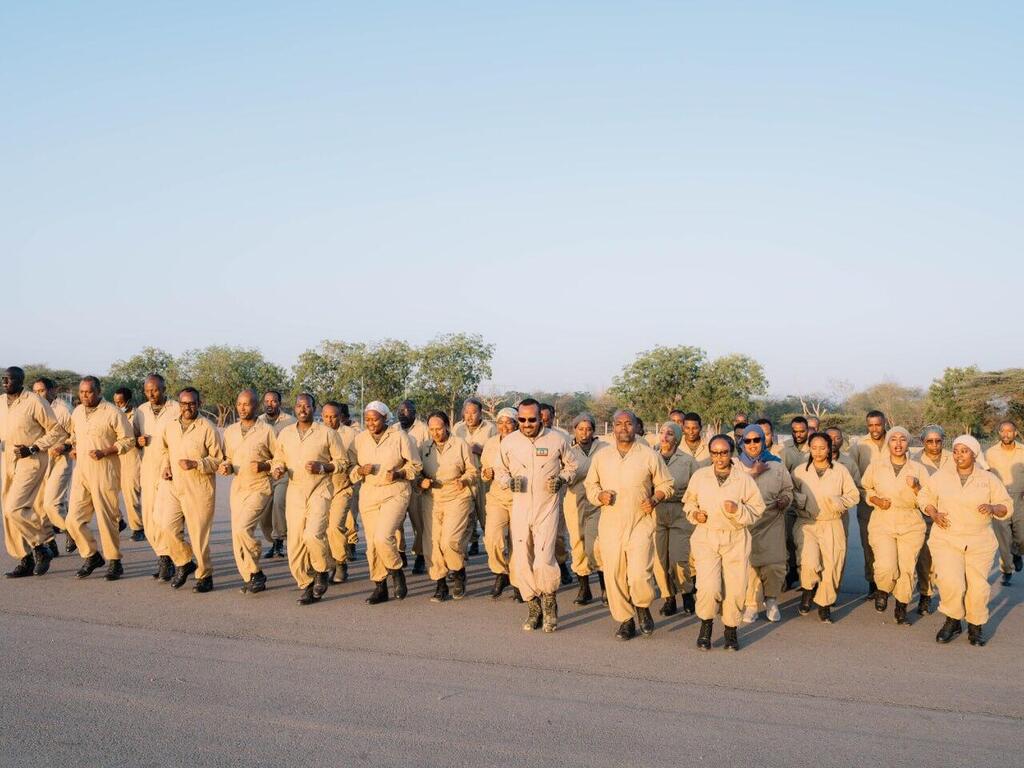
Ministers take part in military training
Explaining the initiative in a social media post, Abiy wrote that achieving Ethiopia's vision of widespread prosperity requires leaders who are physically fit, morally strong and intellectually capable. He described the military as a school for essential values, particularly teamwork, patriotism, accountability, leadership and discipline. "Soldiers have targets while civilians have goals. The objective of both is victory," Abiy wrote, emphasizing that combining these approaches would produce purposeful leaders with a strong sense of duty and the ability to work together responsibly toward national goals.
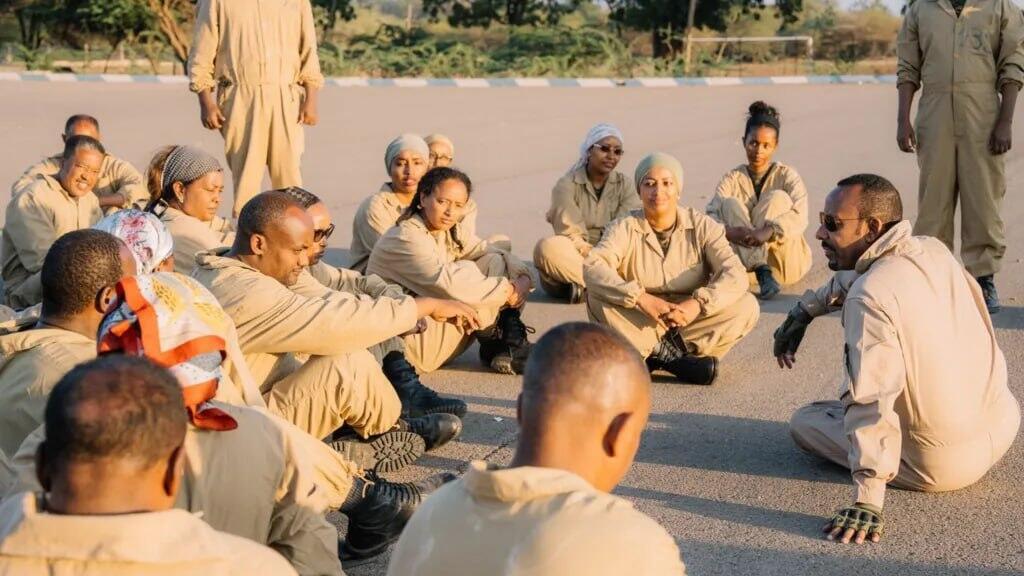
Abiy Ahmed and senior government officials during military training. The armed forces are a 'school for essential values'
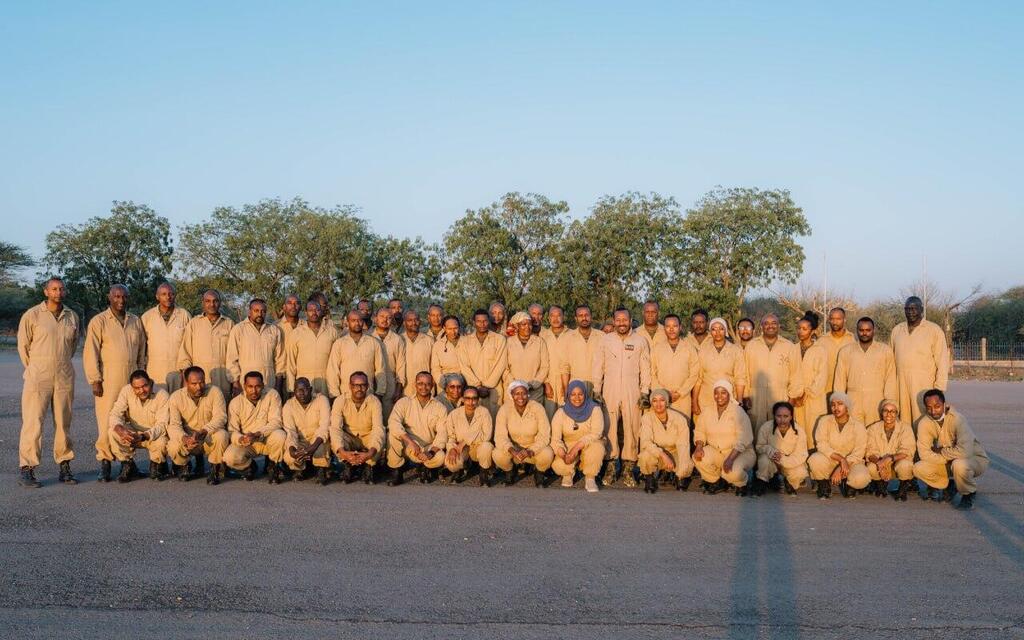
Photographs released by the prime minister showed him and senior government officials performing push-ups, running and squatting.
The unusual training program comes as Ethiopia faces a series of internal and external security crises. Fighting continues in parts of the northern Tigray region, violent clashes persist in Amhara, and insecurity remains widespread in Oromia. At the same time, tensions with neighboring Eritrea remain high, raising concerns about a renewed military confrontation between the two countries. Abiy has previously identified military readiness and national development as two central pillars of his government's policies, and the latest initiative reflects his determination to forge a close connection between them.