

Lebanon’s parliament speaker warned Tuesday that Israeli forces occupying parts of southern Lebanon would face resistance if they fail to withdraw, signaling a risk of renewed confrontation ahead of U.S.-mediated talks this week.
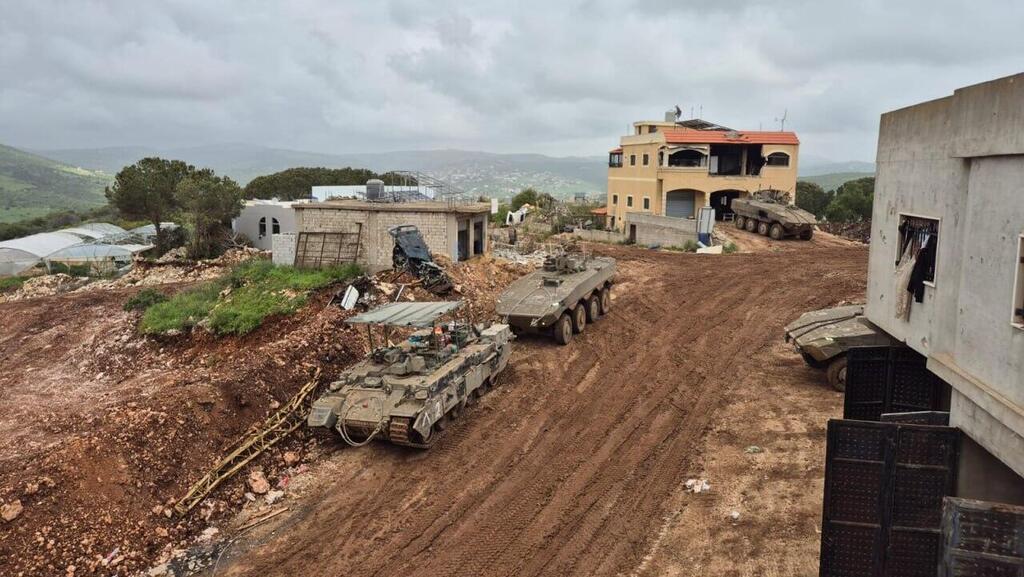
A 10-day ceasefire between Israel and Hezbollah, brokered by Washington, took effect Thursday. Israeli forces, however, remain deployed in a 5-10 kilometer (3-6 mile) strip along the border. Israel says it aims to create a buffer zone to protect its northern communities from attacks by Hezbollah.
The United States is set to host ambassador-level talks between Israel and Lebanon on Thursday. Lebanon was drawn into the war on March 2, when Hezbollah began firing in support of Iran amid the broader regional conflict.
Parliament Speaker Nabih Berri, Lebanon’s most senior Shiite political figure and an ally of Hezbollah, told the Lebanese newspaper al-Joumhouria that Lebanon would not tolerate losing “a meter” of its land.
“If Israel maintains its occupation, whether of areas, positions, or by drawing yellow lines, it will smell the scent of resistance every day,” said Berri, who also leads the Amal Movement, another Shiite political faction.
The IDF and Prime Minister Benjamin Netanyahu last week referred to their deployment line in Lebanon as the Yellow Line, a term Israel has also used for positions in Gaza. Israeli officials have since shifted to calling it a “forward defense line,” marked in red on a military map released Sunday, which also showed a naval zone extending off Lebanon’s coast.
Since the ceasefire, the IDF has carried out demolitions in southern villages, targeting Hezbollah infrastructure embedded in civilian areas. Lebanon’s state-run National News Agency reported Tuesday that Israeli forces carried out detonations in at least eight villages and shelled several areas.
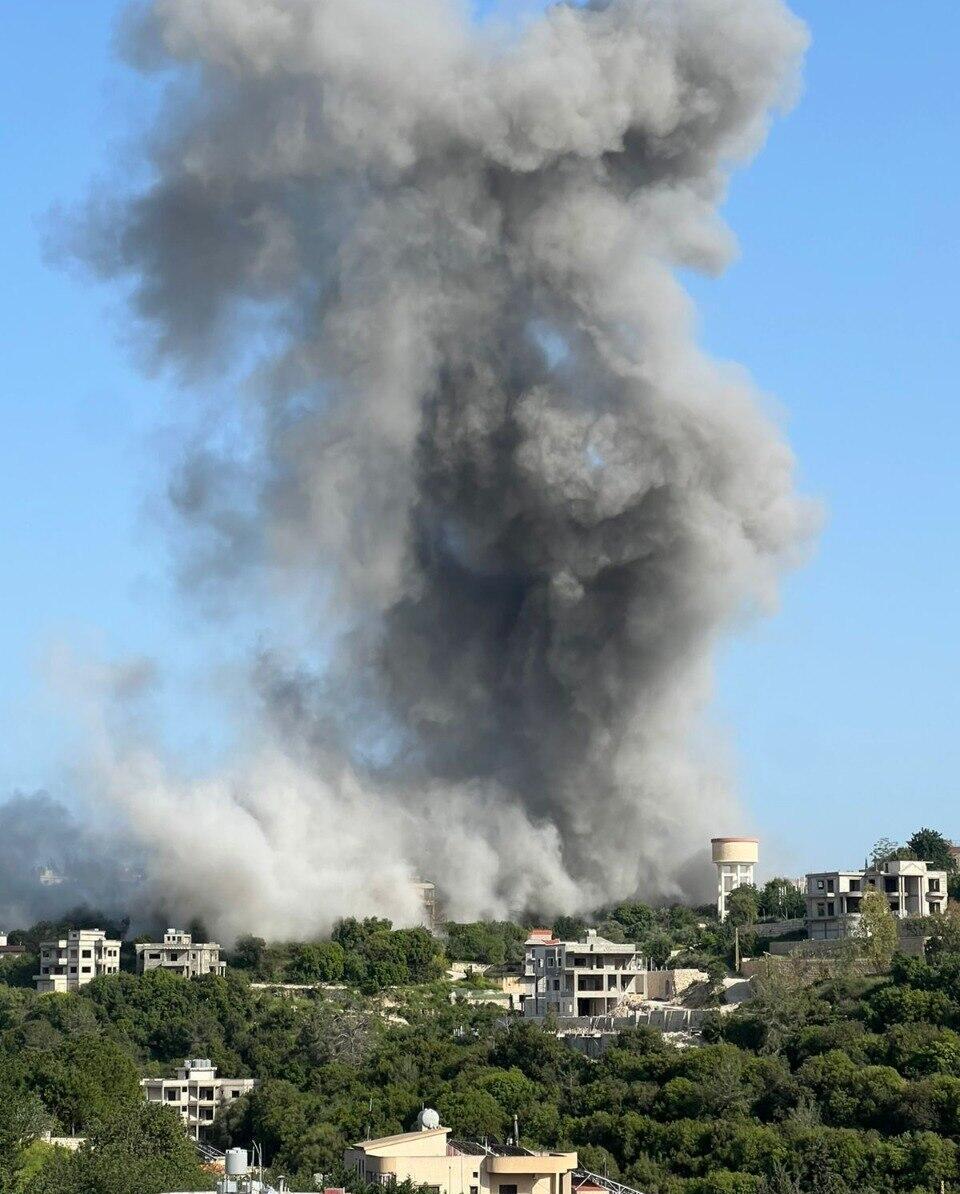
South Lebanon
Berri warned that continued Israeli presence would provoke resistance, pointing to Lebanon’s past. Israel withdrew from southern Lebanon in 2000 after a 22-year occupation during which Hezbollah, Amal and other groups carried out attacks on Israeli forces.
A French presidency official said a lasting solution must exclude a permanent buffer zone, arguing it would not be necessary if a durable peace is reached.
President Donald Trump announced the ceasefire on April 16 after separate calls with Netanyahu and Lebanese President Joseph Aoun. Iran said the deal was part of a broader understanding mediated by Pakistan.
The United States hosted talks between Israeli and Lebanese ambassadors on April 14, marking the highest-level contact between the countries in decades despite objections from Hezbollah.
Berri reiterated that direct talks with Israel are unnecessary, noting his involvement in past indirect negotiations. Aoun has listed Israeli withdrawal as a key goal of current talks and has pushed for Hezbollah’s peaceful disarmament over the past year. Israel has said it wants the group dismantled.
Defense Minister Israel Katz said Tuesday that disarming Hezbollah is the ultimate goal, through military and diplomatic means.
“If the Lebanese government continues not to keep its commitment to disarm Hezbollah, the IDF will do so by continuing its military activity,” Katz said in Tel Aviv.
Netanyahu struck a more measured tone Friday, saying disarming Hezbollah would take time and require sustained diplomatic effort.