

Iran’s Revolutionary Guards Corps said Wednesday they attacked vessels in the Strait of Hormuz and claimed to have seized two of them, in an assertion that could not immediately be verified.
In a statement carried by Iranian media, the Guards said they targeted two ships attempting to cross the strategic waterway and redirected them to Iranian shores. One of the vessels was identified as MSC Francesca, which Iran claimed was “linked to the Zionist regime,” while the second was named Epaminondas.
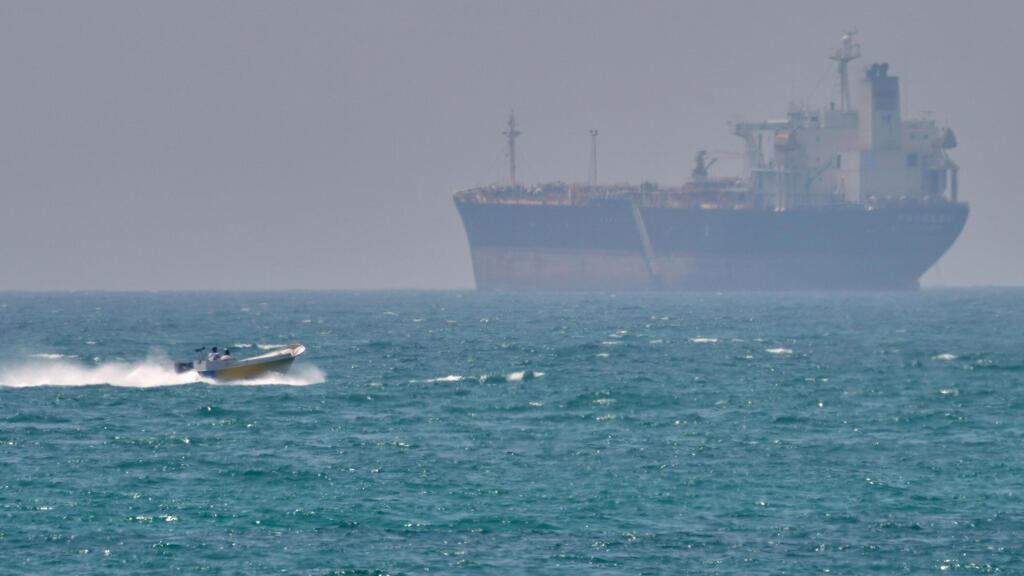
The statement said the ships had “endangered maritime safety by disrupting navigation systems and failing to obtain the necessary permits,” adding that “violating order and safety in the Strait of Hormuz is a red line for Iran.”
The claim came shortly after Reuters reported that three container ships were attacked in the strait earlier in the day, citing maritime sources. That report did not mention any vessels being seized by Iran.
According to earlier reports, based in part on alerts from the United Kingdom Maritime Trade Operations (UKMTO), the Liberia-flagged Epaminondas, owned by a Greek company, was attacked by a small boat carrying three individuals believed to be affiliated with the Revolutionary Guards. The attackers reportedly fired rifles and rocket-propelled grenades at the ship. No crew members were injured, but damage was reported to the bridge.
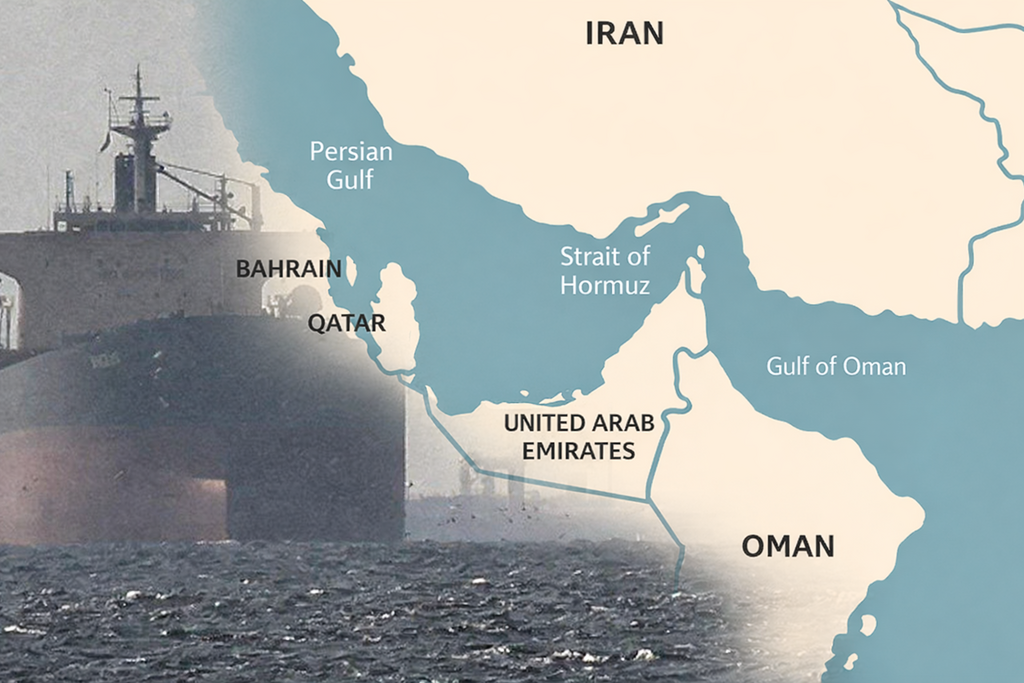
UKMTO also reported that a second container ship flying the Panamanian flag was attacked about 15 kilometers west of Iran’s coast but was not damaged, and its crew remained safe. A third vessel, also flying a Liberian flag, was attacked in the same area while attempting to cross the strait. It was not damaged but was reported to have “stopped in the water.”
Iran has effectively blocked passage through the Strait of Hormuz since the outbreak of the war, targeting at least 30 vessels that attempted to cross. The strait, a critical global shipping route through which about one-fifth of the world’s oil supply passes, had previously been open to international navigation without Iranian authorization or fees.
Tehran is now demanding recognition of its control over the waterway as part of any agreement with the United States.
U.S. President Donald Trump has rejected that demand and responded by enforcing a blockade on Iranian ports. He has described the move as a powerful economic pressure tool against Iran’s leadership, saying it deprives Tehran of roughly $500 million a day in oil revenue, and has vowed not to lift it until an agreement is reached.
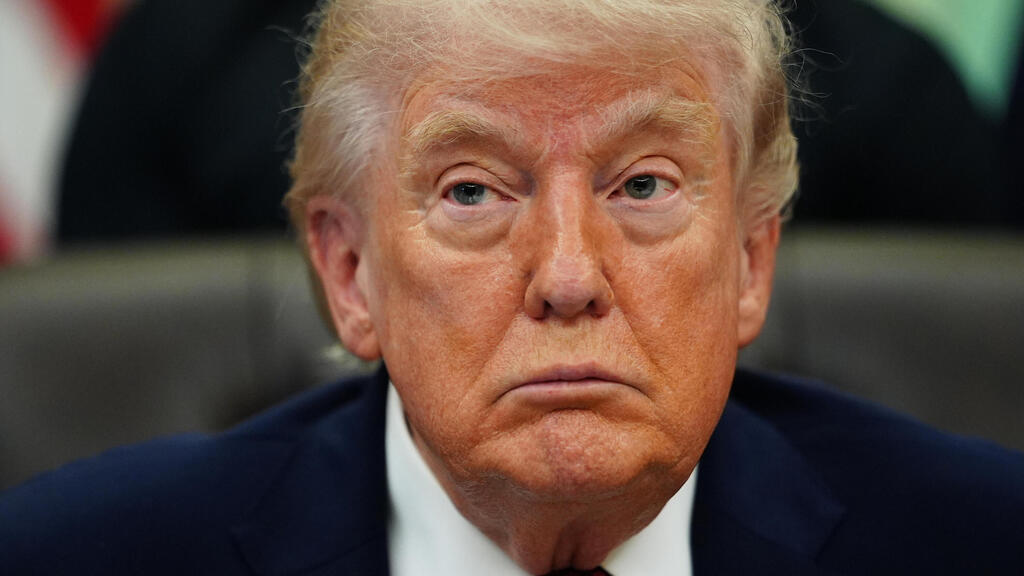
US President Donald Trump
(Photo: Julia Demaree Nikhinson/ AP)
Iran has accused the United States of violating the terms of a ceasefire and, in response to the blockade, refused to participate in another round of talks that had been planned in Islamabad.
On Tuesday, shortly before the temporary ceasefire was due to expire, Trump announced he would extend it without setting a new deadline. He said the move was made at the request of mediator Pakistan and would remain in place until Iran presents a “unified proposal,” arguing that its leadership remains divided.
Iran, however, has not committed to recognizing the extension. Tasnim, a news agency affiliated with the Revolutionary Guards, reported that Tehran did not request the ceasefire extension and that the continued naval blockade effectively amounts to “continued fighting.”
Iranian officials have said they will not reopen the Strait of Hormuz and warned that Tehran would “break the blockade by force if necessary.”
For now, Iran has not clearly outlined its next steps, and the reported seizure of ships, if confirmed, may signal an attempt to escalate tensions without fully resuming open conflict.
Ebrahim Rezaei, a spokesman for Iran’s parliament national security and foreign policy committee, linked the reported actions to U.S. seizures of vessels under the blockade.
“An eye for an eye, a tanker for a tanker,” he said. “Just as our response during the 40 days of war was decisive and strong, we will not remain silent in the face of pirates.”
Iranian Foreign Ministry spokesman Esmail Baghaei offered a more measured statement, without detailing specific actions.
“Iran is closely monitoring developments on the ground and in the political arena and will take the necessary measures to protect its interests and national security,” he said. “Our forces are on high alert and fully prepared to defend Iran’s sovereignty against any aggression.”
He added that diplomacy remains a tool to achieve national interests, but only under conditions Tehran considers acceptable.