

The United States is seeking to reopen the Strait of Hormuz and end the global energy crisis, striking Iranian targets it says are responsible for attacks on oil tankers in the Persian Gulf. However, according to Britain’s Telegraph, the greatest threat to shipping in the strategic waterway, which is critical to global oil trade, may be one U.S. aircraft cannot easily detect or target: a fleet of “midget submarines” designed specifically for operations in the Gulf’s shallow, murky waters.
The Telegraph reported that Iran has up to 10 Ghadir-class midget submarines, each about one-tenth the size of a conventional attack submarine. They displace about 120 tons and measure 29 meters (95 feet) in length.
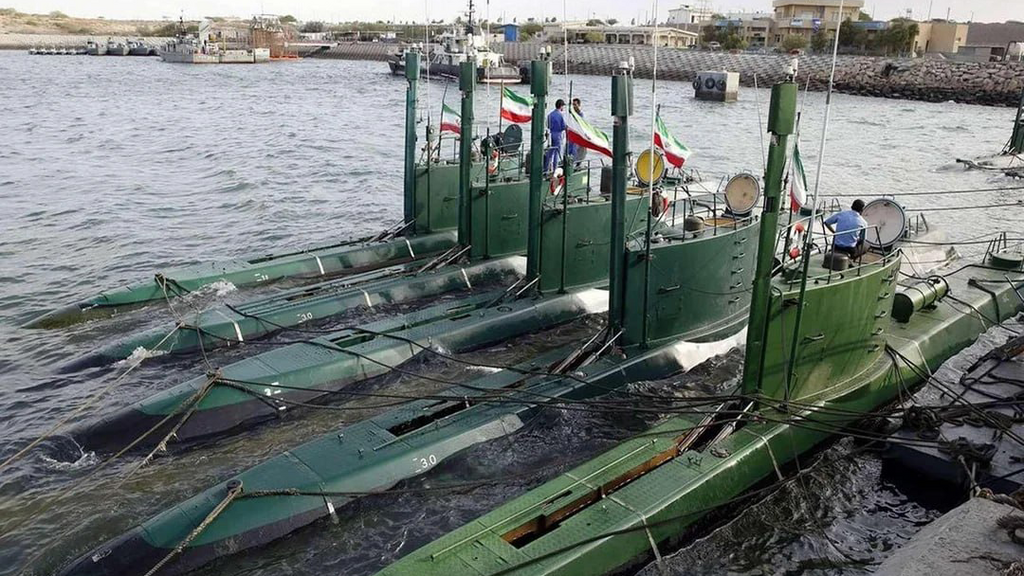
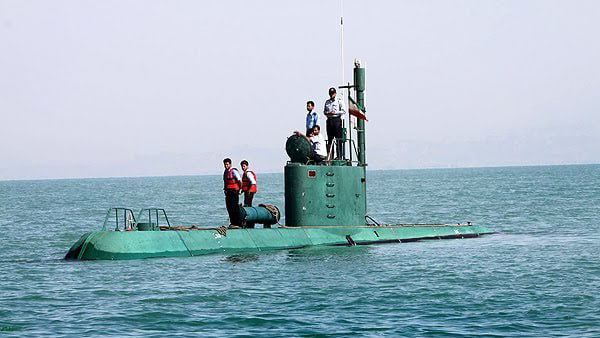
Their small size — compared with U.S. Ohio-class submarines, which displace 18,750 tons and are 170 meters (558 feet) long — allows them to operate in waters as shallow as 30 meters (98 feet). According to the report, conditions in the Strait of Hormuz — shallow waters combined with noise from shipping and drilling — would make it difficult for the United States to detect and destroy Iran’s small submarines.
The report said Ghadir-class submarines can fire torpedoes at passing tankers. At night, they can also lay dozens of naval mines in the strait without being detected. Iran has spent four decades studying conditions in the Persian Gulf and training its submarine crews in the area. The regime uses the geography of Hormuz, along with its midget submarines, to hold the global economy at risk and disrupt international shipping.
In addition to the Ghadir submarines, Iran operates vessels designed to deploy divers, enabling special operations and the placement of mines in shallow coastal waters. These vessels can also be fitted with warheads, effectively turning them into suicide craft.
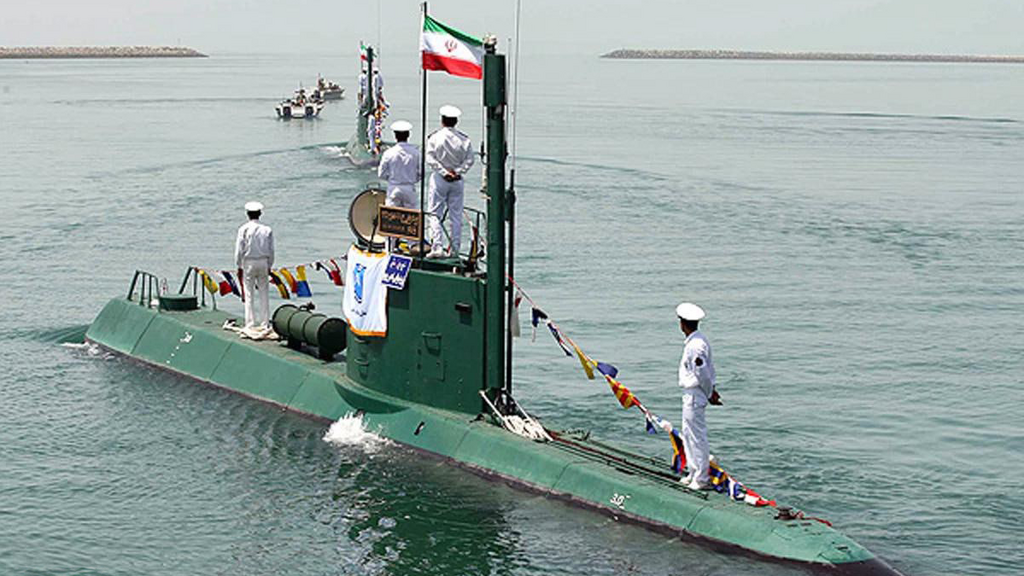
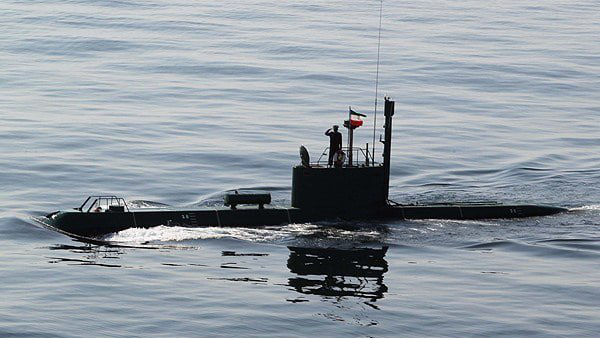
Iran also fields larger Fateh-class submarines, which displace about 600 tons. They are equipped with improved sensors and torpedo systems and can operate in deeper waters.
Older models include Nahang-class midget submarines and three Kilo-class diesel-electric submarines acquired from Russia in the 1990s. These are larger, conventional submarines — about 3,000 tons — and are less effective in shallow waters. All of the submarine classes are capable of carrying torpedoes and naval mines. The Telegraph noted that Iran’s navy also includes a newer, medium-sized submarine known as the Besat, though details about it remain limited.
The British newspaper said Iran’s primary objective is not to sink U.S. warships but to block shipping lanes by laying mines — a process that could take weeks to clear.