

Iranian officials reportedly struggled to interpret U.S. President Donald Trump’s behavior during high-level nuclear negotiations in Switzerland, with some even consulting psychologists to better understand his negotiation style, according to a report in the Wall Street Journal.
The discussions took place at a resort in Burgenstock, Switzerland, shortly after direct U.S.-Iran talks began. According to the report, Trump published a series of sharp threats against Iran on his Truth Social platform at the same time as the negotiations were underway, adding tension to already fragile diplomatic efforts.
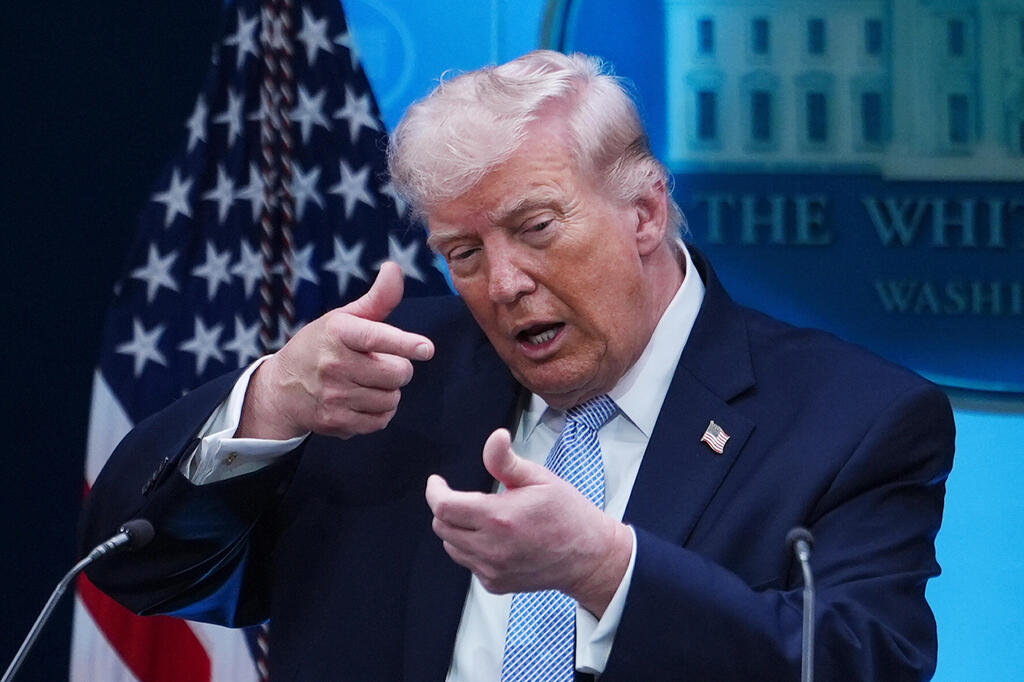
The post reportedly surprised Iranian officials and prompted confusion within the delegation, which was attempting to assess whether Trump’s public statements reflected the American negotiating position or were part of his broader approach to pressure talks.
Iran’s chief negotiator, Parliament Speaker Mohammad Bagher Ghalibaf, was initially unaware of the post after leaving his mobile phone outside the negotiation room. Once informed by aides, he reportedly raised the issue with U.S. Vice President JD Vance, who is leading the American delegation.
Ghalibaf told Vance that the threats violated the opening clause of a memorandum of understanding signed days earlier in Versailles, which committed both sides not to threaten or attack one another. Following the exchange, the Iranian delegation reportedly ended the face-to-face portion of the talks.
“I told Vance that your president made threats today. Understand that we never negotiate under threats or pressure,” Ghalibaf later said in an interview with Iranian state television, adding that Iran rejected a U.S. request to resume direct talks.
A U.S. official involved in the negotiations said Vance clarified that Trump’s comments referred to a response in the event Iran violated any agreement, and that Washington had sought a pause in talks to allow further consideration of proposals.
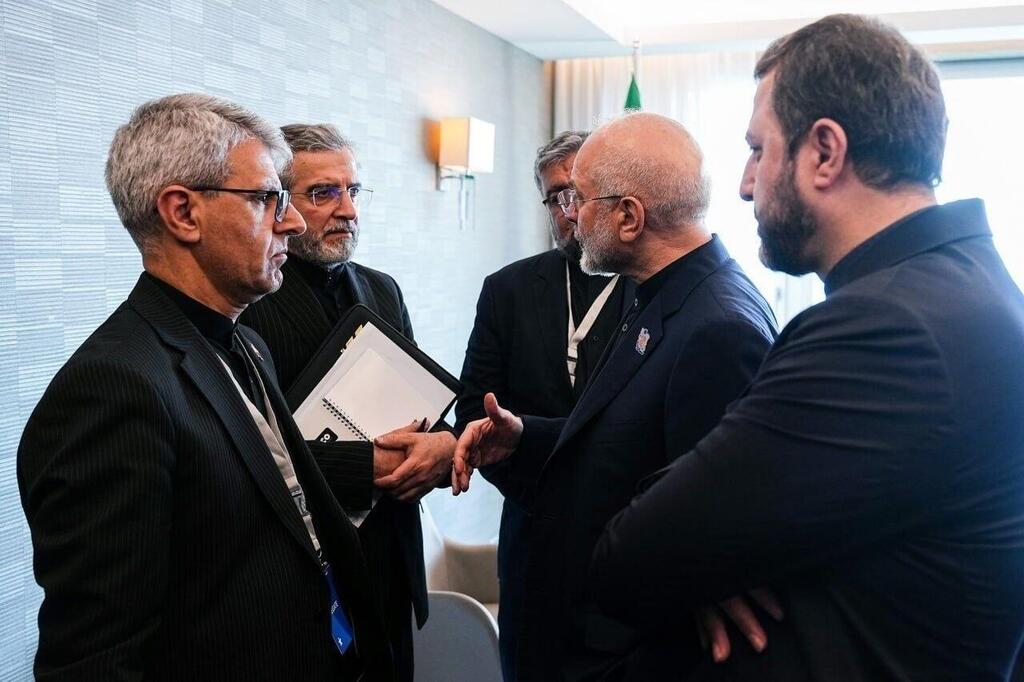
Iranian negotiating team
The incident was not the first time Trump’s public statements have disrupted diplomatic negotiations. According to the report, mediators have previously warned that social media posts could complicate ongoing talks and undermine trust between the sides.
After the breakdown in direct discussions, the negotiations reportedly continued indirectly through mediators, including Pakistan and Qatar.
Iranian officials also referenced Trump’s 1987 book The Art of the Deal, suggesting that his unpredictable public messaging made it difficult to assess U.S. intentions during the negotiations.
Some mediators said Iranian officials had even consulted psychologists to help interpret Trump’s behavior and anticipate his reactions, although other individuals involved in the talks disputed that claim.
Despite the tensions, discussions reportedly continued in various formats, with differing accounts emerging over key disagreements and the final terms discussed in Switzerland.