


Egyptian Foreign Minister Badr Abdelatty spoke Thursday with U.S. Secretary of State Marco Rubio, Egypt’s Foreign Ministry said Friday. The ministry said the two discussed efforts by Egypt, Turkey and Pakistan to end the war, as well as developments in Lebanon and President Donald Trump’s plan for Gaza. According to the ministry, Rubio expressed the U.S. administration’s appreciation for Egypt’s leadership.
Abdelatty stressed the importance of providing economic support to Egypt to curb the negative impact of the current escalation, particularly rising energy and food prices and declines in tourism and traffic through the Suez Canal.
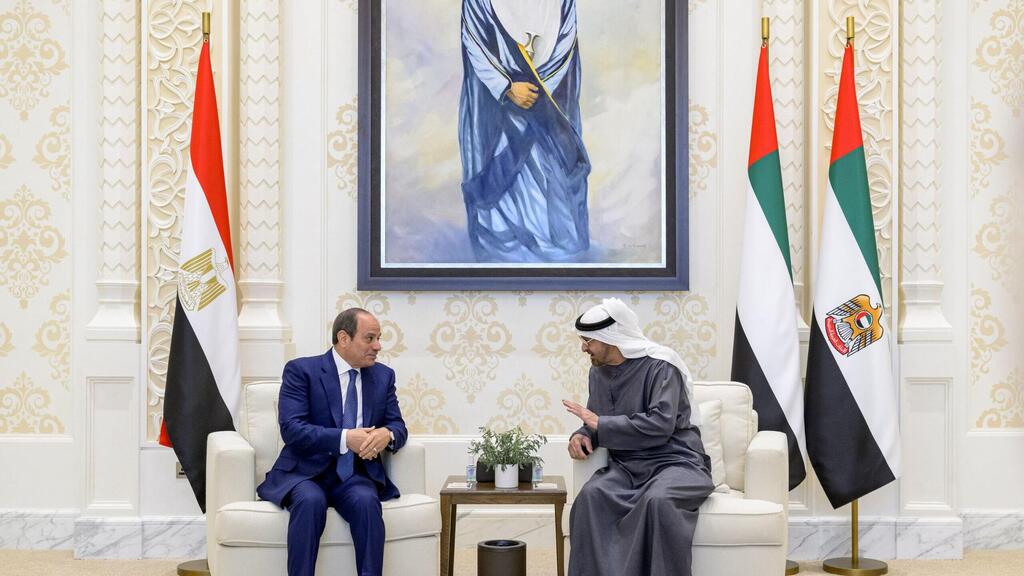
The call comes as senior Egyptian officials have maintained a visible presence in countries involved in the conflict in recent weeks. Aside from Iran and Israel, they have visited nearly every arena. The official visits have been accompanied by frequent phone calls with regional and international actors.
On Thursday, Abdelatty arrived in Lebanon. “My visit to Lebanon today aims to offer all forms of support and carries clear messages,” he said upon arrival. “Egypt continues to use its network of ties with all relevant regional and international parties to stop the attacks against Lebanon.”
After meeting Lebanese President Joseph Aoun, Abdelatty said, “I stressed to President Aoun the need for an Israeli withdrawal from Lebanese territory. We will intensify contacts to halt the Israeli ground incursion. We call for the implementation of U.N. Security Council Resolution 1701 and for strengthening state institutions. We condemn the Israeli attack on bridges, infrastructure and Lebanese civilians.”
He added, “The repercussions of the current conflict in the Middle East must be prevented from affecting Lebanon and its people. We are coordinating with mediators, including Turkey and Pakistan, to stop the war in the region and are optimistic about the success of efforts and mediation to reduce tensions.”
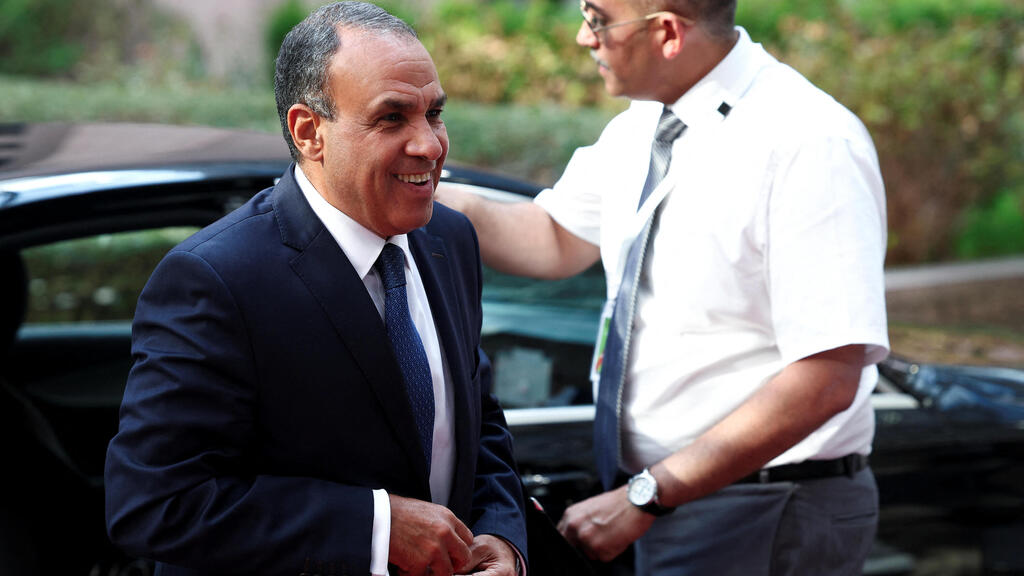
Egyptian Foreign Minister Badr Abdelatty
(Photo: REUTERS/Yves Herman)
Despite pledges of support, Egypt faces significant challenges of its own amid the war. It is eager for the conflict to end, but cannot afford to forgo demonstrating solidarity with Arab states, including those in the Gulf.
One such visit took place March 21, when Egyptian President Abdel Fattah el-Sissi traveled to Bahrain, another country that has recently come under repeated Iranian attacks. Sissi met King Hamad bin Isa Al Khalifa, expressed support for the country, its government and its citizens, and condemned the Iranian strikes. According to an official Egyptian statement, Sissi reviewed Egypt’s “intensive diplomatic efforts aimed at reducing tensions and ending the conflict, in light of its severe repercussions for regional security and stability, citizens’ welfare and the economy.”
Sissi emphasized that Egypt and the Gulf states share a common destiny and indivisible national security. From Bahrain, he traveled to Saudi Arabia, where he met Crown Prince Mohammed bin Salman and reaffirmed Egypt’s full support for the kingdom. He said Saudi security is an integral part of Egypt’s security, and that the national security of Gulf Cooperation Council states is “an extension of Egyptian national security.”
These were not Sissi’s only Gulf visits. On the 19th of the month, he traveled to the United Arab Emirates and Qatar. Egyptian officials said those visits were also part of Egypt’s solidarity with Gulf states. Sissi began in the UAE, meeting President Mohammed bin Zayed, then continued to Doha to meet Qatar’s emir, Sheikh Tamim bin Hamad Al Thani.
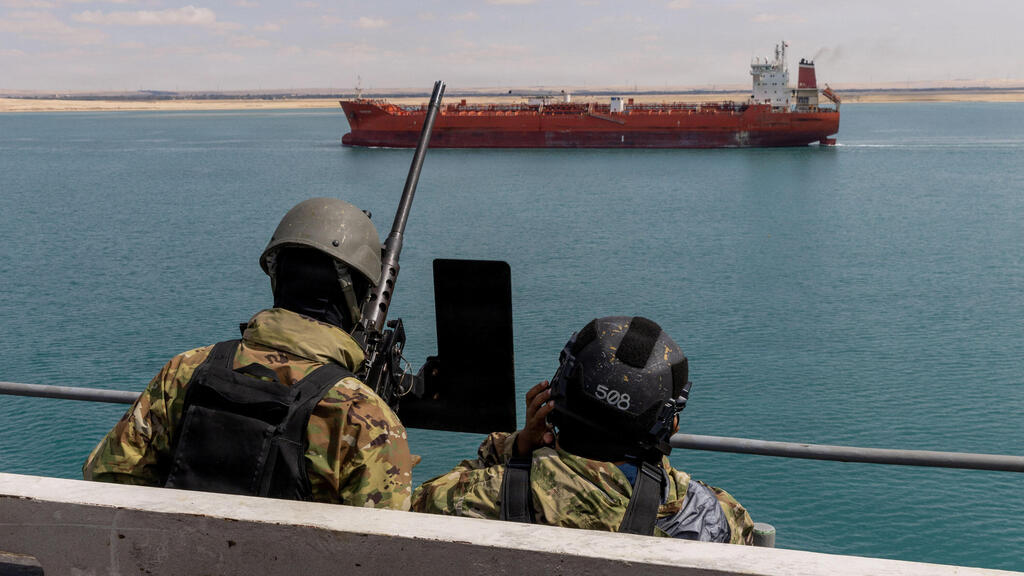
Decline in revenue from the Suez Canal as well
(Photo: US Navy/Handout via REUTERS)
Egyptian media said the visits come amid regional tensions and reaffirm that Egypt “is always at the heart of events, never hesitates to support its brothers and never withdraws from the arena, given its ability to reshape reality.” Other Arab sources, however, have pointed to disagreements between Egypt and Gulf states over developments in the war, delays in Egypt’s response and what they described as a failure to provide meaningful backing.
Egypt is seeking to prevent further escalation and to bring the conflict to a close, acting as a mediator alongside Turkey and Pakistan. Among the escalation scenarios raised in recent days is the possible closure of the Bab el-Mandeb Strait and the entry of Yemen’s Houthi rebels into the fighting, a scenario Egypt is familiar with and would prefer to avoid.
Egypt is already feeling the impact of the war with Iran, while still recovering from the war in the Gaza Strip and its consequences, particularly economic. Arab media reported early last week that Suez Canal revenues are being significantly affected by the current conflict.
In the coming days, a series of exceptional electricity-saving measures is set to take effect in Egypt. Prime Minister Mostafa Madbouly announced on the 18th a set of measures for one month, starting Sunday, aimed at mitigating the impact of the regional war. According to official Egyptian reports, the steps are intended to improve energy consumption amid rising global fuel prices.
At a news conference, Madbouly said lighting on roadside billboards would be suspended and street lighting reduced. Shops, malls, restaurants and cafes will close at 9 p.m. The measures are necessary to “optimize electricity consumption,” he said. The decision is currently set for one month “to monitor the situation,” with additional steps to be taken based on developments. Madbouly added that further measures are under discussion, including the possibility of remote work one or two days a week for some public and private sector employees.
In a report by the Saudi newspaper Asharq Al-Awsat, published against the backdrop of surging fuel and gas prices since the start of the war, a source was quoted as saying it remains unclear how much the measures will actually save and that their impact on those affected has not been fully explained.