

Prime Minister Benjamin Netanyahu met Sunday with local leaders from Israel’s northern border communities, as the war entered its 30th day, and was urged to deliver a decisive outcome in Lebanon.
The meeting, held at the Merom HaGalil Regional Council, marked Netanyahu’s first in-person session with leaders from the confrontation line in two years. During the 40-minute discussion, officials presented their demand for a clear resolution to the fighting in Lebanon.
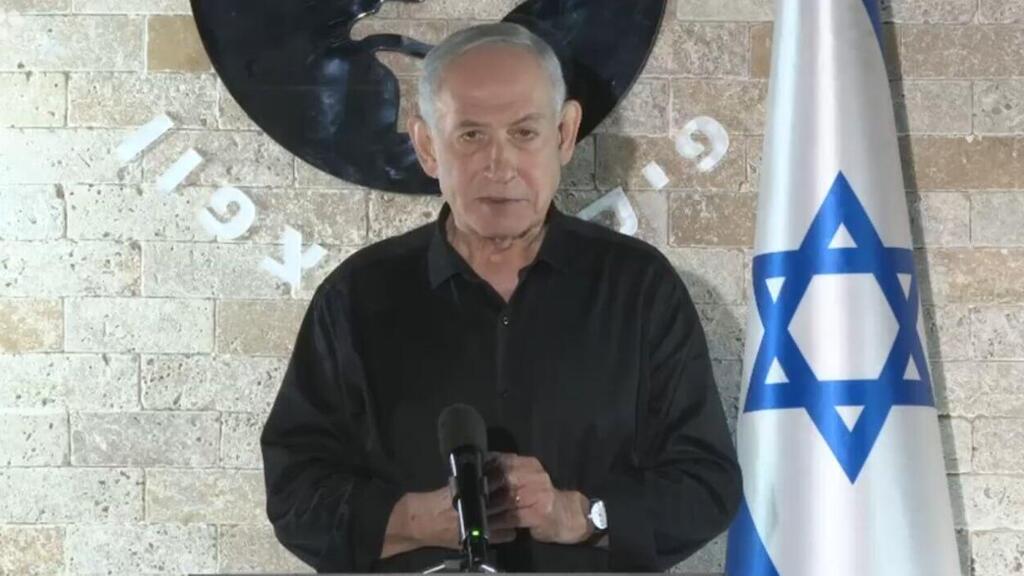
Earlier, Netanyahu visited Northern Command headquarters in Safed alongside Defense Minister Israel Katz, IDF Chief of Staff Lt. Gen. Eyal Zamir and senior commanders.
“I met brave commanders determined to strike our enemies and push the threat away from our border,” Netanyahu said in a statement released by his office.
‘Hezbollah is not the same’
One month into Operation Roaring Lion, Netanyahu said Israel is engaged in a multi-front campaign and is achieving significant gains against Iran and its proxies.
Netanyahu added that Israel has shifted its security doctrine.
“Instead of being surprised, we are surprising them. We are the side acting, attacking and initiating, and we are operating deep inside their territory,” he said. “I said we would change the face of the Middle East, and we have done so.”
IDF forces operate in Lebanon
(Video: IDF)


A Hezbollah weapons storage facility
(Video: IDF)
He outlined what he described as three expanding security zones: in Syria from Mount Hermon to the Yarmouk River, in Gaza across more than half the territory, and in Lebanon, where he said he had ordered the buffer zone to be expanded further.
The move, he said, is aimed at neutralizing the threat of cross-border infiltration and anti-tank fire.
Fighting continues as pressure mounts
Netanyahu said Israeli forces had eliminated Hezbollah leader Hassan Nasrallah, killed thousands of terrorists and significantly reduced what he described as a major threat of roughly 150,000 rockets and missiles aimed at Israel.
However, he acknowledged that Hezbollah retains residual capabilities to launch rockets, and said discussions with military commanders are focused on eliminating that threat.
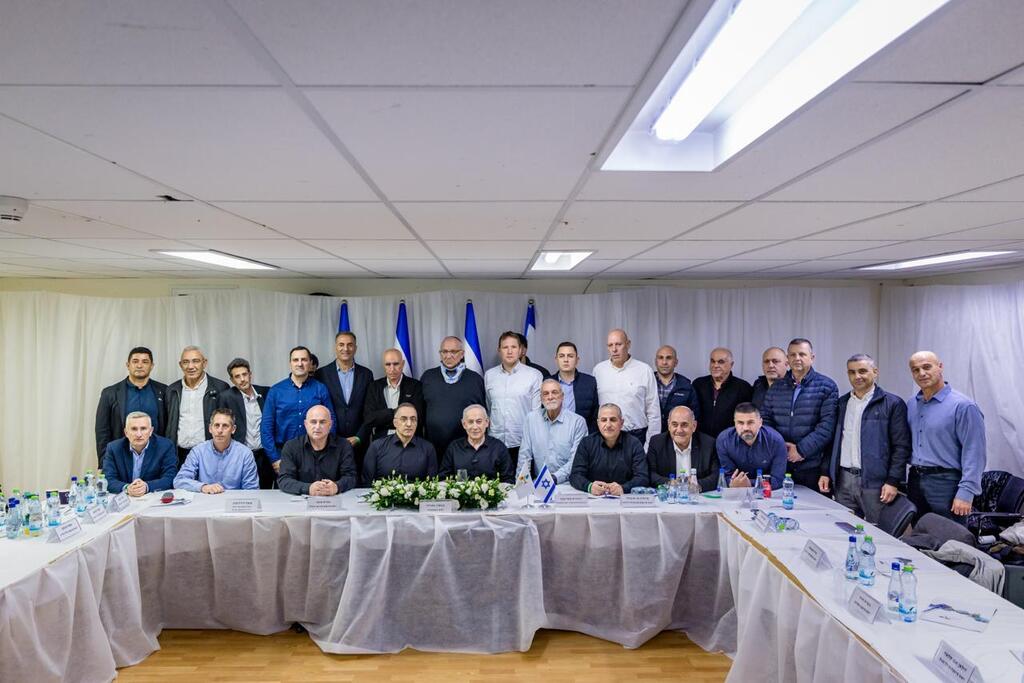
Netanyahu with northern leaders
(Photo: Haim Zach/ GPO)
“I cannot share the details, but we are determined to fundamentally change the situation in the north,” he said.
Addressing residents of the north, Netanyahu said he was aware of the hardships they face and had instructed government ministries to provide broad assistance.
“I ask for your continued resilience and steadfastness,” he said.
Throughout the day, rocket fire from Lebanon continued alongside missile launches from Iran. Rockets were reported in Safed, Tiberias, Kiryat Shmona and Nazareth, though no injuries or damage were reported.
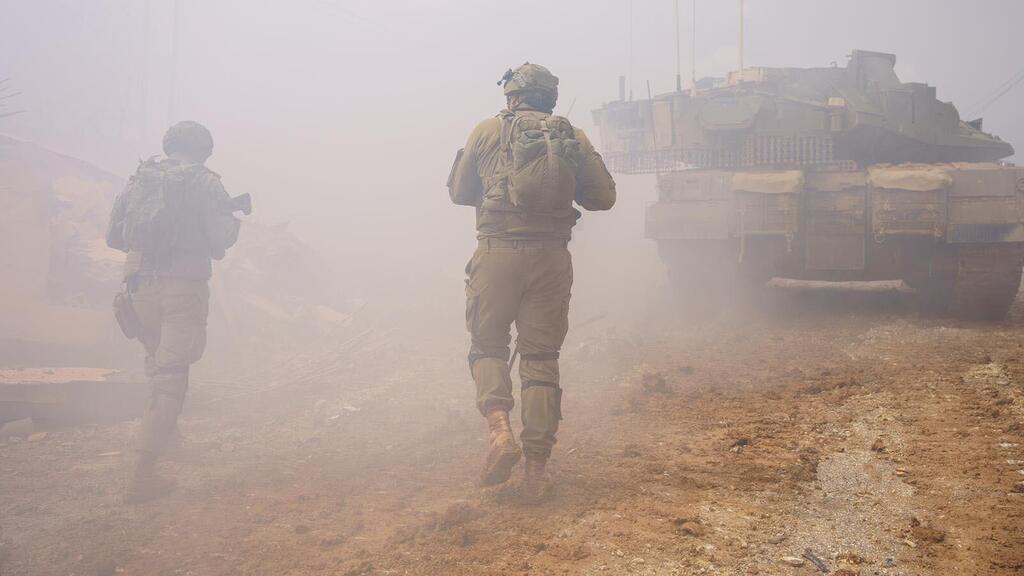
(Photo: IDF)
IDF reports decline in Hezbollah fire
The military said forces from the 146th Division are continuing to expand the security zone in southern Lebanon, targeting terrorist infrastructure and weapons stockpiles.
Dozens of terrorists have been killed and more than 200 sites destroyed, the IDF said.
Officials added that Hezbollah’s rate of fire has declined significantly, dropping from hundreds of rockets a day to dozens, as the group manages its munitions under sustained Israeli operations.
Most current fire is being carried out by Hezbollah’s Badr unit from areas north of the Litani River.
The IDF said its operations are not based on fixed defensive lines but on dynamic maneuvering aimed at preventing rocket and anti-tank fire toward northern communities.
As long as the air force remains focused on operations in Iran, the northern front is considered secondary, though ground forces continue to target launch sites and militants in depth.