


The Knesset gave preliminary approval Wednesday to the so-called “muezzin law,” a controversial bill aimed at restricting the use of loudspeaker systems at houses of worship, especially mosques, on the grounds of preventing noise disturbances.
The bill passed its first vote 50-36, with support from Yisrael Beytenu and Shas. It is still at an early stage and must pass committee discussions as well as three additional Knesset votes before becoming law.
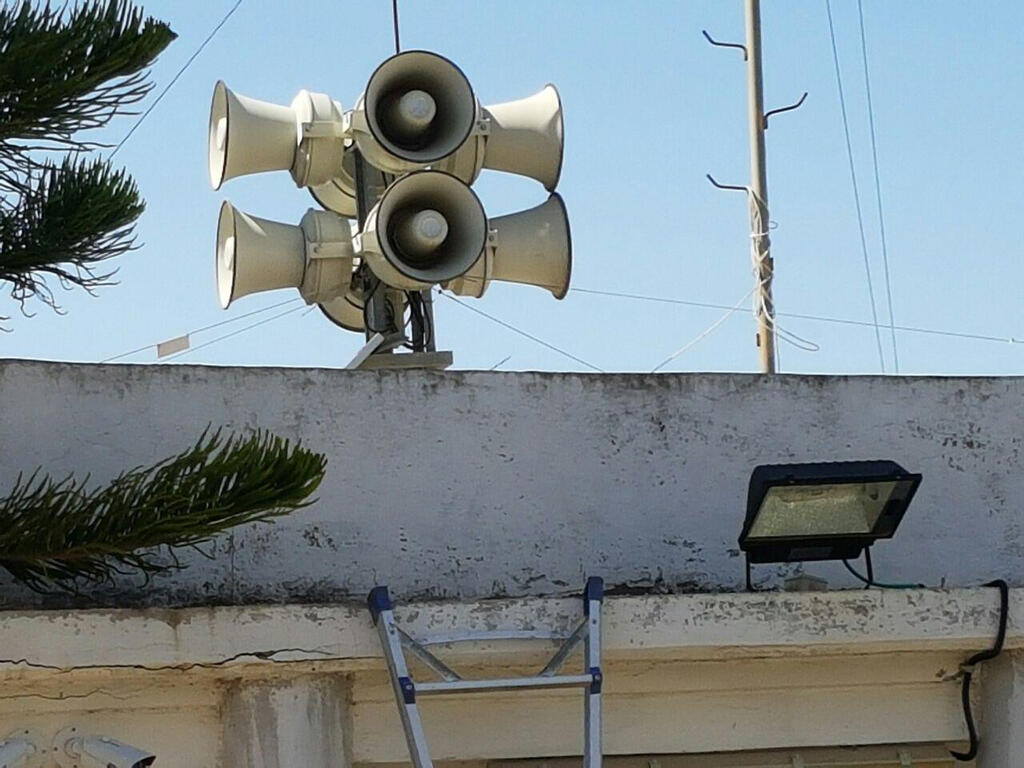
Yisrael Beytenu lawmakers backed the proposal, which party leader Avigdor Liberman has supported for years. Shas, an ultra-Orthodox party, also voted in favor, drawing sharp criticism from Ra’am, an Arab Islamist party.
United Torah Judaism lawmakers were absent from the vote, following reports of an understanding with Arab parties, whose members were absent from a preliminary vote on the Basic Law on Torah Study. Shas said ahead of the vote that it would support the muezzin bill, as it did when a similar version was advanced in 2017.
Ra’am chairman Mansour Abbas condemned Shas’s support for the bill.
“Shas’s decision to support a racist, anti-religious law is very disappointing and reprehensible,” Abbas said. “We expected a religious party to act in the spirit of the verse, ‘You shall not wrong a stranger or oppress him, for you were strangers in the land of Egypt.’”
Abbas said the bill showed the need to strengthen Ra’am “to replace the government, cancel the law and promote solutions to the problems of Arab society, including crime, violence, demolitions and discrimination.”
Several versions of the muezzin bill have been introduced over the years. The best-known proposal was promoted about a decade ago by then-lawmaker Moti Yogev of the Jewish Home party, and later supported by Likud’s David Bitan and Yisrael Beytenu’s Robert Ilatov.
Supporters of the legislation say it is not intended to restrict freedom of religion, but to protect residents living near mosques from loudspeaker noise late at night and in the early morning. The bill’s explanatory notes said hundreds of thousands of citizens are affected by the volume of calls to prayer and cited other countries, including China, as examples of places that have regulated the issue.
Opponents, including Arab lawmakers, Justice Ministry officials and opposition members, say the bill is effectively aimed at Israel’s Arab and Muslim citizens. They argue that existing noise regulations already provide tools to deal with excessive noise, making separate legislation unnecessary.
Critics also warn that the bill could harm equality, freedom of religion and freedom of worship. Some have said that any exemption for synagogues would make the law discriminatory both legally and publicly.