

Bulgaria said Saturday that two U.S. refueling aircraft stationed at Bezmer Air Base have left the country, days after a report said Iran was considering attacks on U.S. assets in Bulgaria and Cyprus if tensions with Washington escalate again.Bulgarian Defense Minister Dimitar Stoyanov said the two KC-135 tankers were moved Friday to an unspecified destination.
The aircraft had been deployed to Bulgaria on July 22. They are capable of refueling fighter jets and have been used in operations connected to strikes on Iran. Sofia has insisted the aircraft were stationed in Bulgaria only for training missions in allied airspace and were not being used for current attacks on Iran.

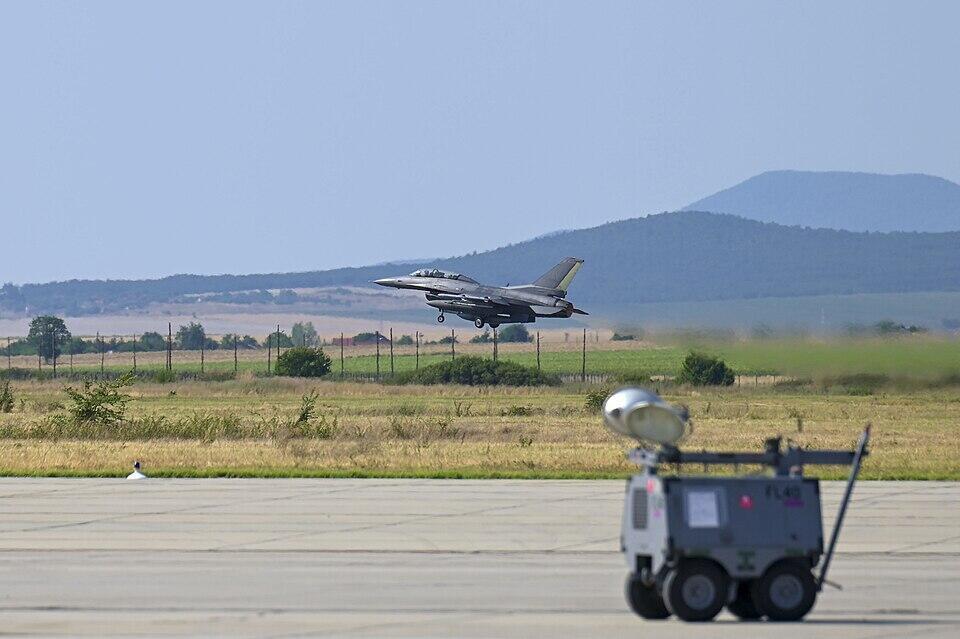
US F-16 takes off from Bezmer Air Base in Bulgaria
( Photo: U.S. Air Force photo by Senior Airman Jenna Bond (https://www.dvidshub.net/portfolio/1697898))
Tehran nevertheless reacted angrily to their presence, accusing Bulgaria of becoming complicit in what it called aggression and war crimes. Bulgaria rejected the accusation.
The Financial Times reported earlier this week that Iran was considering targeting U.S. assets in southeastern Europe, specifically naming Bulgaria and Cyprus, in the event of renewed military escalation with Washington. The United States has not yet confirmed Bulgaria's announcement that the tankers were removed.
Stoyanov said Sofia had received “no information about direct threats to our national security,” adding that the government had coordinated fully with Washington.
The development comes as tensions between Iran and the United States remain high and negotiations between the two sides are effectively stalled.
President Donald Trump has so far held back from carrying out threats to strike Iranian energy infrastructure and has instead shifted toward a strategy of intensified economic pressure.
Alongside a naval blockade restricting Iran's oil exports, Trump has promised “unprecedented” new economic measures that are expected to include secondary sanctions on countries that continue trading with Iran. U.S. Treasury Secretary Scott Bessent is expected to outline the measures Monday.
Iran, whose economy has deteriorated sharply after two wars within a year, continues to issue defiant warnings despite mounting economic pressure. Iranian President Masoud Pezeshkian, considered a relatively moderate figure within the regime, again called for an end to the war.
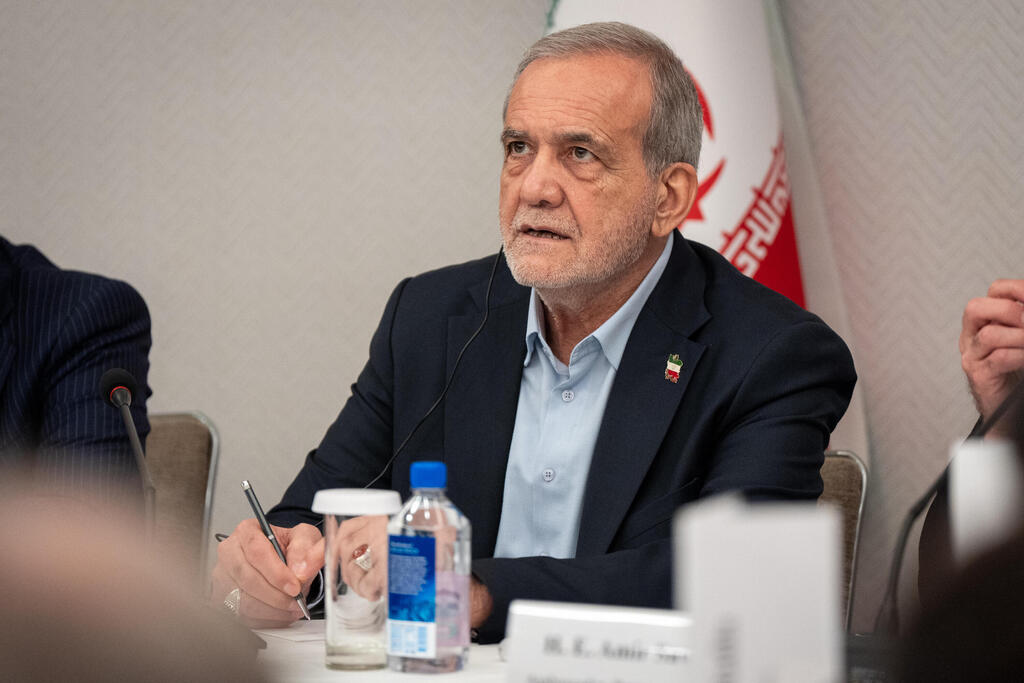
Iranian President Masoud Pezeshkian
(Photo: AP Photo/Angelina Katsanis)
“The war must end at some point,” Pezeshkian said, according to Iranian media. “It is better to end it today, while we are in power and with dignity, and while the whole world recognizes our victory.”
Parliament Speaker Mohammad Bagher Ghalibaf also acknowledged the economic strain, saying military strength alone was not enough if ordinary Iranians continued to suffer. But more hardline figures, particularly within the Revolutionary Guards establishment, continue to threaten retaliation.
Iran's new chief of staff, Ali Abdollahi, warned Friday that Tehran would deliver “revolutionary, crushing, regrettable and destructive responses” to what he called any miscalculation or threat by the enemy.
On Saturday, Iranian state television aired footage of Abdollahi visiting what it described as an underground ballistic missile production facility. Iranian media said he reviewed developments in domestic weapons production and claimed the plant was now producing equipment with greater capability, quality and quantity than before.
Iranian Defense Minister Majid Ebn al-Reza made a similar claim, saying the country's defense industry had maintained key production lines despite Israeli and U.S. strikes and sanctions. He said Iran had deployed new offensive and defensive systems during wartime conditions and insisted the country would not yield to pressure.
Iranian chief of staff visits an ‘underground missile factory’


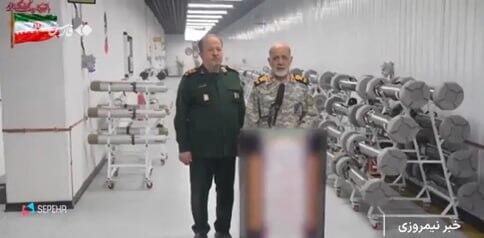
Iran's new chief of staff, Ali Abdollahi
Efforts to revive indirect talks between Iran and the United States are continuing. Egyptian Foreign Minister Badr Abdelatty spoke Saturday with Iranian Foreign Minister Abbas Araghchi about attempts to restore calm and return to a diplomatic track.
According to Egypt's Foreign Ministry, the discussion included Oman-Iran talks over traffic through the Strait of Hormuz and efforts to revive the U.S.-Iran memorandum of understanding signed in June before collapsing.
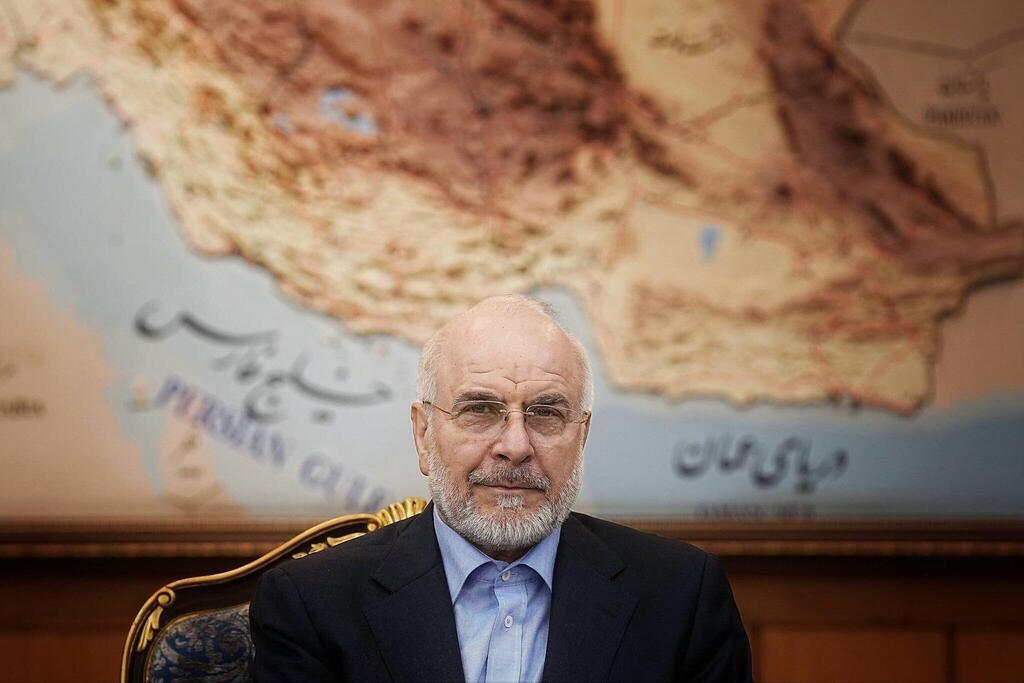
Parliament Speaker Mohammad Bagher Ghalibaf
Ghalibaf also said Iran had received “many messages” from neighboring countries regarding new security arrangements and economic cooperation. He called for what he described as a “real and independent regional order” without U.S. involvement.
Trump, however, said Friday that there had been no breakthrough. “They very much want to make a deal,” he told reporters, “but in my opinion they're not ready to make the right deal.”