

Iran’s new supreme leader, Mojtaba Khamenei, is still recovering from severe facial and leg injuries sustained in the airstrike that killed his father, Ayatollah Ali Khamenei, at the start of the war, Reuters reported Saturday, according to three people close to his inner circle.
The sources said the 56-year-old Khamenei suffered major facial wounds in the Feb. 28 strike on the supreme leader’s compound in central Tehran and significant injuries to one or both legs. One additional source familiar with U.S. intelligence assessments told Reuters that, according to those assessments, he lost one leg. Reuters said it could not independently verify those descriptions.
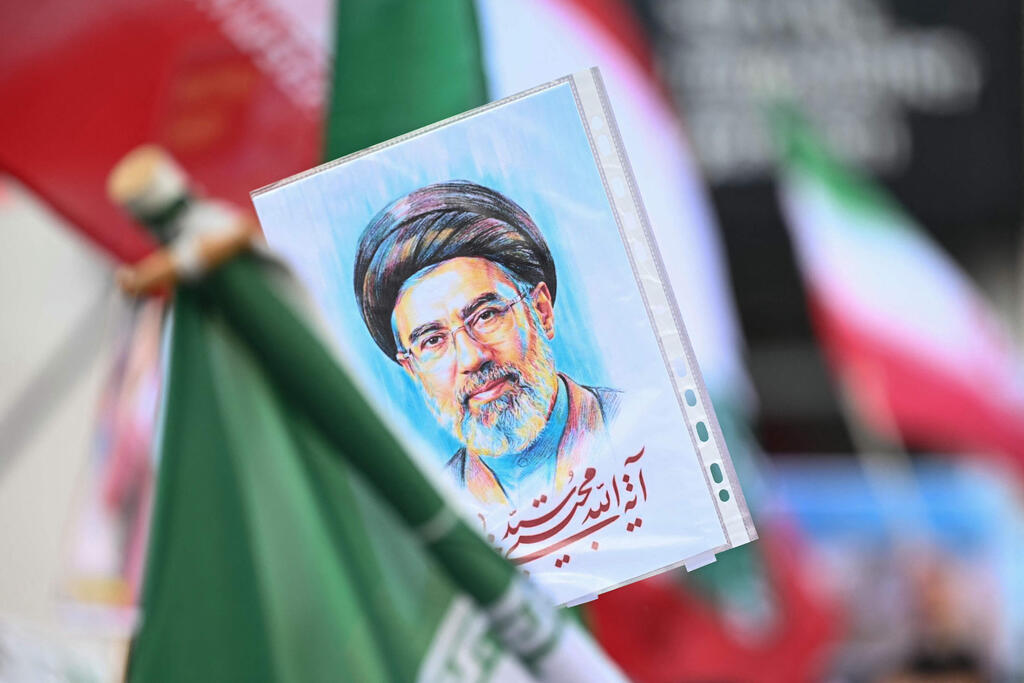
Despite the injuries, the sources said Khamenei remains mentally sharp, is taking part in meetings with senior officials by audio conference and continues to play a role in decisions on major issues, including the war and negotiations with Washington.
His whereabouts, condition and ability to govern have remained largely opaque to the Iranian public. Since the strike and his elevation to supreme leader on March 8, no photograph, video or audio recording of him has been released publicly, fueling questions about his health and authority.
One source told Reuters that updated images could be released within a month or two and that he could appear in public by then, but all three sources said that would happen only when his health and the security situation allow it. Iranian officials are said to fear that, absent a permanent ceasefire, the United States and Israel could try to kill him if his location becomes known.
Mojtaba Khamenei was wounded in the same Feb. 28 attack that killed his father, who had ruled Iran since 1989. Reuters reported that his wife, brother-in-law and sister-in-law were also killed in the strike.
Iran has not issued any formal statement detailing the extent of his injuries, but after he was named supreme leader, a state television announcer referred to him as a “janbaz,” a term used in Iran for someone seriously wounded in war.
The reports of his injuries are broadly in line with remarks made by U.S. Secretary of War Pete Hegseth on March 13, when he said Khamenei was “wounded and likely disfigured.”
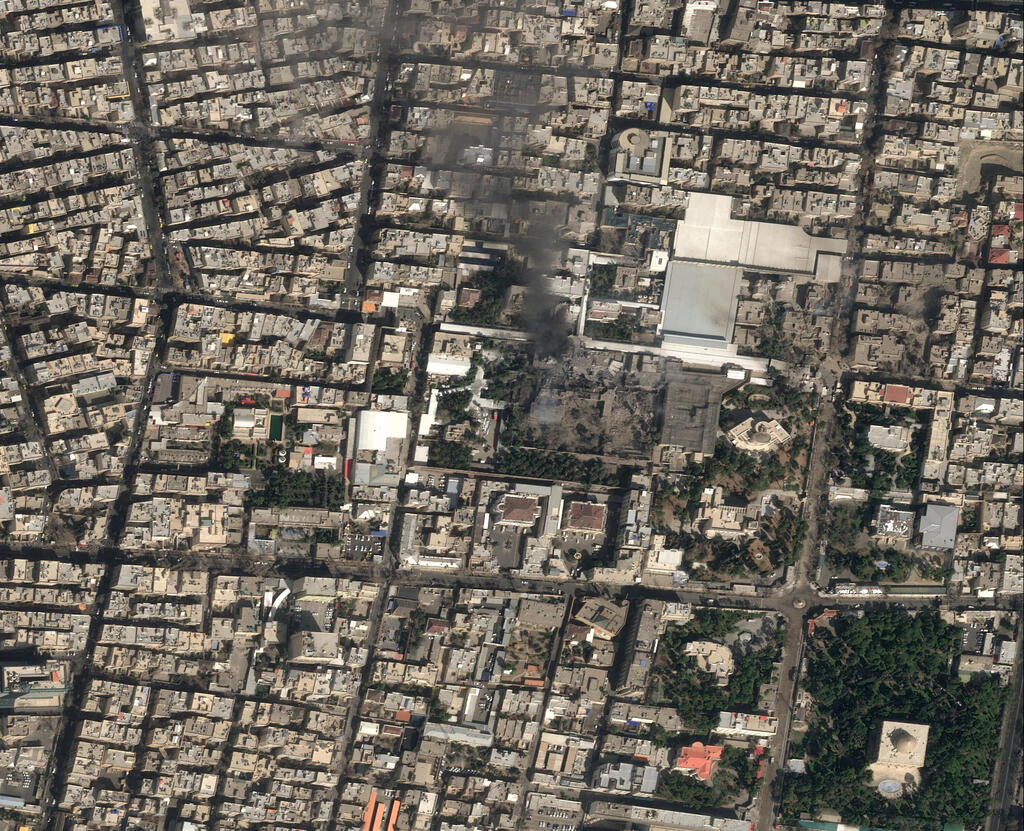
Aftermath of Israeli strike on Iranian Supreme Leader Ayatollah Ali Khamenei's Tehran complex
(Photo: Pleiades Neo (c) Airbus DS 2026)
Iran’s mission to the United Nations did not respond to Reuters’ questions about the extent of Khamenei’s injuries or his absence from public view. Reuters said the CIA and Prime Minister Benjamin Netanyahu’s office also declined to comment.
Analysts say that regardless of how serious his injuries are, the inexperienced new leader is unlikely to wield the same authority as his father any time soon. Alex Vatanka of the Middle East Institute told Reuters that while Mojtaba Khamenei represents continuity, it could take years before he establishes full authority, if he ever does. “Mojtaba will be one voice, but it will not be the decisive one,” he said, adding that the regime as a whole would need to determine its direction.
Although Mojtaba Khamenei spent years as an influential figure in his father’s office and built ties with senior commanders in the Islamic Revolutionary Guard Corps, little is publicly known about his worldview. Vatanka said he is widely seen as likely to continue his father’s hard-line approach because of those ties, but his personal views remain unclear.
His first message to the Iranian public as supreme leader was issued in writing on March 12 and read aloud by a state television news presenter. In it, he said the Strait of Hormuz should remain closed and warned regional states to shut U.S. bases on their territory.
Since then, his office has issued only a handful of short written messages, including a Nowruz greeting on March 20 in which he called the new year the “year of resistance.” Major policy statements on the war, diplomacy, Iran’s neighbors and domestic unrest have instead been delivered by other senior officials.
Some supporters of the regime told Reuters that keeping a low profile is the prudent course given the danger posed by continuing U.S. and Israeli airstrikes, which have already killed senior Iranian leaders. A senior Basij official said it made sense for Khamenei to stay out of sight, and a lower-ranking member echoed that view, asking why he should appear in public only to become a target.