


The Israeli Air Force no longer assumes that its next wars will be short, and is restructuring its aircraft, maintenance systems and weapons planning for prolonged conflict, including a possible extended campaign against Iran.
“We no longer assume that the next campaigns will be short,” said Brig. Gen. S., the outgoing head of the Air Force’s Equipment Group. “We are now running advanced models designed to examine how to cope with long and sustained wars. The tools exist, and this approach is already deeply embedded.”
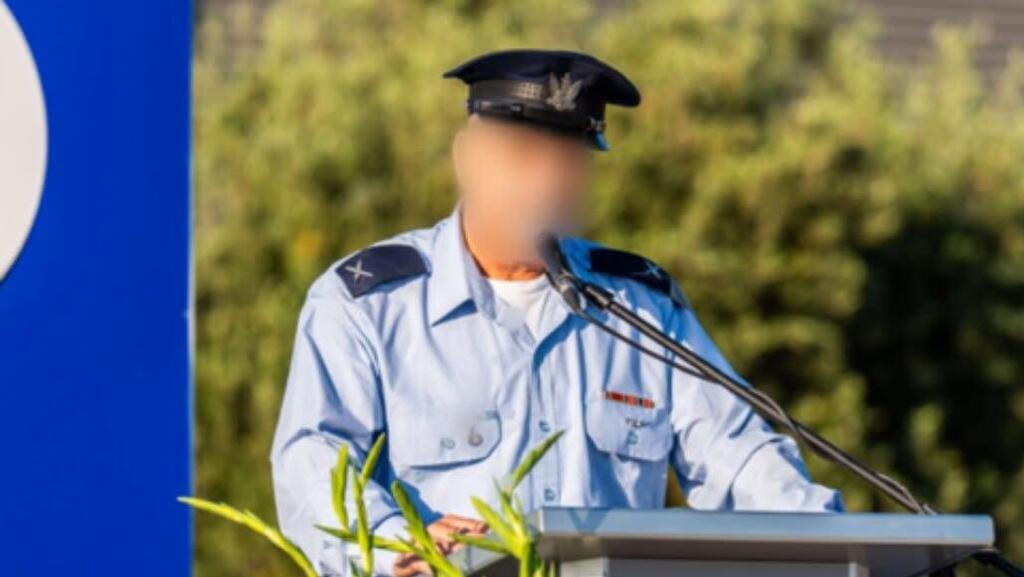
In an interview marking the end of his tenure, S. described how the failures of October 7, the demands of prolonged combat and the rapidly changing regional arena have reshaped the technical and operational doctrine of the Air Force.
His career began far from Air Force headquarters. Raised in Kibbutz Dafna, he studied aeronautics and joined the Air Force after completing officers’ training.
Much of his service was spent in headquarters positions. Early in his career, he worked on aircraft engines, the Beechcraft King Air intelligence fleet and aerial refueling aircraft. He later headed the unmanned aircraft and aircraft departments before taking command of the Equipment Group in the summer of 2022.
S. said the significance of the role derives from the Air Force’s highly centralized structure, which manages and integrates its platforms through a single technical system.
The Equipment Group includes eight departments covering fields ranging from technology and air defense to construction and infrastructure, based on the principle that every Air Force base is first and foremost an operational airfield.
It also oversees key operational units, including the Ofek software unit, Unit 22, which dismantles and rebuilds aircraft down to individual components, and Unit 108, which performs similar work in the digital domain.
Its responsibilities range from newly introduced systems, including the new Gideon aerial refueling aircraft received last month, to platforms that entered service before S. was born.
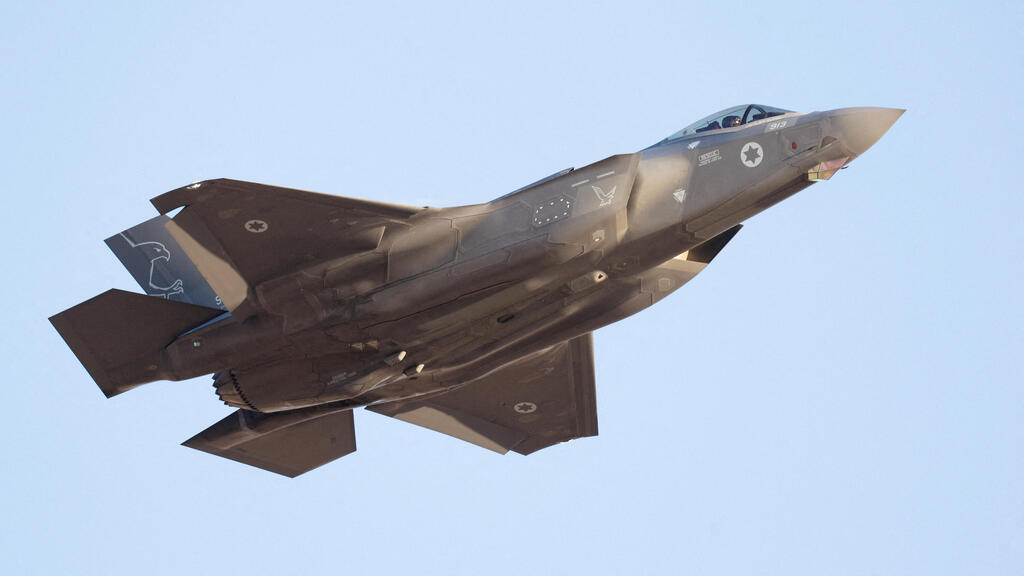
Israeli F-35
(Photo: REUTERS/Amir Cohen)
October 7 forced a readiness overhaul
The war that began on October 7 confronted the entire IDF with a defining failure, and the Air Force in particular with the fact that it was not there when Israeli civilians needed it.
Since then, personnel across the service have repeatedly returned to that moment as the Air Force’s lowest point.
S. said the Equipment Group drew immediate lessons.
“The first and most important issue is how we prepare for surprise scenarios,” he said. “That is the central lesson for the entire IDF, and certainly for the Air Force.”
“Our systems are like vehicles operating at an extremely high level of operational readiness, and we fundamentally changed the way we prepare the aircraft every morning.”
Another major focus is extending the Air Force’s operational endurance.
During the past three years, the technical system has developed tools intended to maintain continuous operations over extended periods. Combat experience showed that endurance is not measured only by how long an aircraft can remain airborne, but by a broader support system that includes extreme temperatures, environmental conditions, maintenance capacity and logistical resilience.
The most significant change, S. said, has been the ability to build and modify capabilities during combat.
“In the end, you buy an aircraft, but it does not remain in the same configuration forever,” he said. “The arena is changing at a dizzying pace.”
“During the war, we understood how critical it is to adapt our systems in real time. We created technological projects at an unprecedented rate. The speed with which headquarters reorganized and the ability to deliver complex engineering solutions while under fire did not previously exist on this scale.”
Greater independence in weapons and spare parts
Israel’s reliance on foreign suppliers for spare parts and weapons has become a growing concern during prolonged war and amid mounting international pressure.
Across the IDF, units have had to contend with shortages and difficulties obtaining components from abroad.
Air Force officials said solutions were found and operational continuity was not affected. But they also acknowledged that Israel will eventually need to achieve a degree of independence in weapons production and reduce its reliance on foreign suppliers.
Over the next five years, the Air Force is expected to undergo a broad modernization process.
That includes the continued acquisition of F-35 fighter jets, expanded air defense systems and the challenge of maintaining an aging fleet of existing platforms.
Operational doctrine is also changing.
Beyond preparing for longer wars, the Air Force is seeking greater flexibility and adjusting the deployment of its forces, including the transfer of an attack helicopter squadron to Ramat David Air Base.
The service is also identifying space as a major area of future development.
Although the Air Force already operates in space-related fields including communications and intelligence, officials see it as an accelerating technological competition that will only become more important.
Watching Turkey’s possible F-35 acquisition
S. said developments in Turkey are also being closely monitored.
US President Donald Trump recently said he intended to sell F-35 fighter jets to Ankara, raising questions in Israel about preserving its qualitative military edge.
“There are many complex aspects here,” S. said. “It is important to remember first of all that Turkey is a NATO country, and that relationship carries considerable significance.”
“Turkey was previously part of the global F-35 program, and we will continue monitoring developments and trends in that arena.”
When it comes to Israel’s own aircraft and weapons procurement, S. said the advantage lies not only in acquiring advanced platforms, but in the Israeli systems and modifications added to them.
“The basic configuration of an advanced platform is already a major change in itself,” he said.
“But the improvements, adaptations and unique modifications that we in the Air Force’s technical and engineering system make to it are what truly enhance its capabilities and break the balance on the battlefield.”
“That is precisely why the Air Force insists on acquiring the most advanced systems and turning them into an absolute Israeli advantage.”