

A book on Greek antiquities has been returned to an Australian public library about 150 years late, with water damage from years spent bricked into a fireplace. The overdue fine amounts to about $20,000, though it will apparently never be paid.
The book was returned last week to the library in the seaside town of Kiama by local resident Ross Simmons, who found it during recent home renovations inside a tea crate bricked into a sealed fireplace, Kiama Library manager Michelle Hudson said.
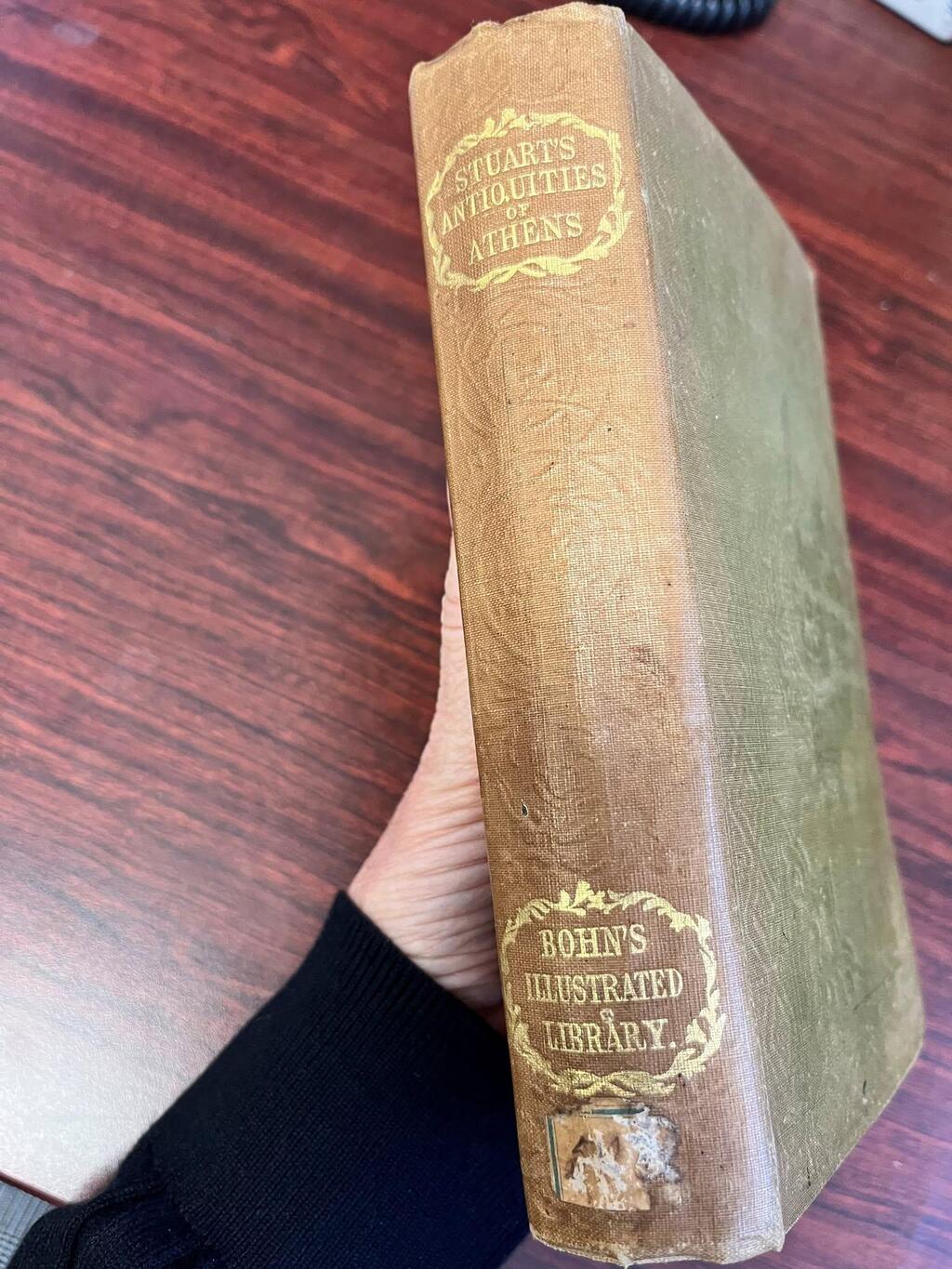
“We’ve never had anything that old come back to us,” Hudson said.
“I follow lots of libraries on social media and often you’ll get things that are maybe 30 or 40 years old when they’re cleaning out estates and stuff like that,” she added.
Simmons told The Associated Press that he assumed the book had been borrowed by his great-great-grandfather, John Simmons, who owned the house where it was found.
“I’m making an assumption. He was in residence in the cottage around about that time and his children were probably too young,” Simmons said.
The library opened in 1872. The book, “Antiquities of Athens,” published in 1858, was marked as No. 506 in the library’s original collection of about 1,000 books. Hudson suspects it was lost within a few years of the library’s opening.
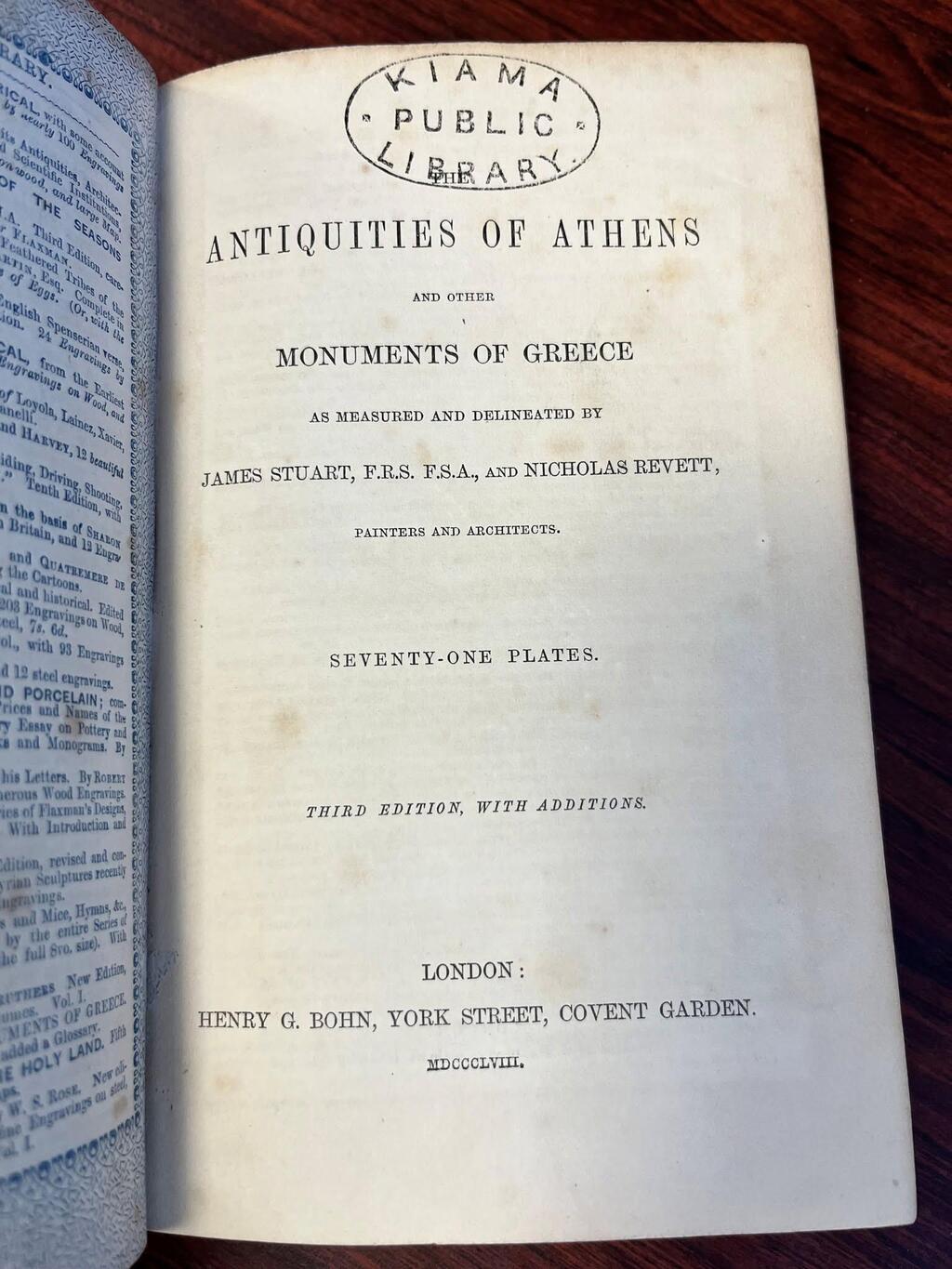
'Maybe that’s why they never returned it to us'
(Photo: Kiama Library/Facebook)
The overdue fine would be about 28,000 Australian dollars, or $19,500, adjusted for inflation, Hudson said. The sum was calculated using the British three-pence-a-week overdue fee printed inside the book’s cover, along with a list of rules in effect when the library opened in 1872.
But Hudson said the library’s borrower records from the 1870s had been lost.
“Unfortunately, we have a missing link. There’s nothing in the book that tells us who the last borrower was,” she said.
Library rules in the 1870s required a book to be returned and any overdue debt paid before another book could be borrowed.
“Maybe that’s why they never returned it to us,” Hudson said.
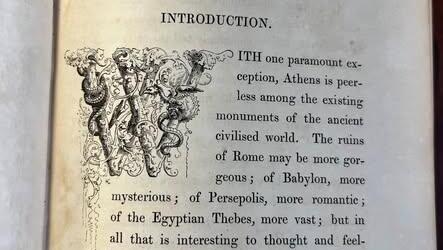
(Photo: Kiama Library/Facebook)
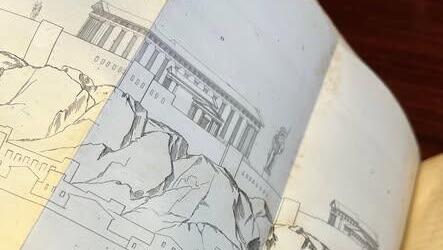
(Photo: Kiama Library/Facebook)
Other antiquated rules allowed households to borrow up to three books if at least six family members were “known to be able to read.” Proof of reading ability is no longer required to use the library.
At the time, books were also not lent to people who arrived at the library in a “state of intoxication.” Today, library users are asked to leave if their behavior affects others, though the rules do not specifically mention intoxication.
Simmons said he had no idea why his ancestor, an English immigrant who also served as an alderman in Kiama’s municipal government, failed to return the book.
He said he was not concerned about being held responsible by an angry librarian for his family’s debt.
“I’ve spent a lifetime dealing with irate customers and being irate with customers myself. Just stick to your guns and say, ‘Do your worst,’” the 77-year-old said.
The returned book will be displayed in the library’s local history collection.
“We’re not going to allow it to go back out again. We don’t want to wait another 150 years for this book to be returned,” Hudson said.
First published: 10:12, 07.31.26