


A Knesset committee on Tuesday approved legislation that would ban photographing or publishing images of suspects before they are indicted, unless a court grants special permission.
Under the bill, initiated by lawmakers Eitan Ginzburg of the National Unity party and Tally Gotliv of Likud, it would be illegal to photograph or publish a photo of a detainee during the initial detention period — known as ma’atzar yamim — before charges are filed. The restriction would also apply to any photo that could identify a suspect in custody, even if taken outside the courtroom, such as in courthouse hallways.
(Photo: Shutterstock)
Publication would be allowed only if the suspect provides written consent or if a court determines that the public interest outweighs the harm to the suspect’s dignity.
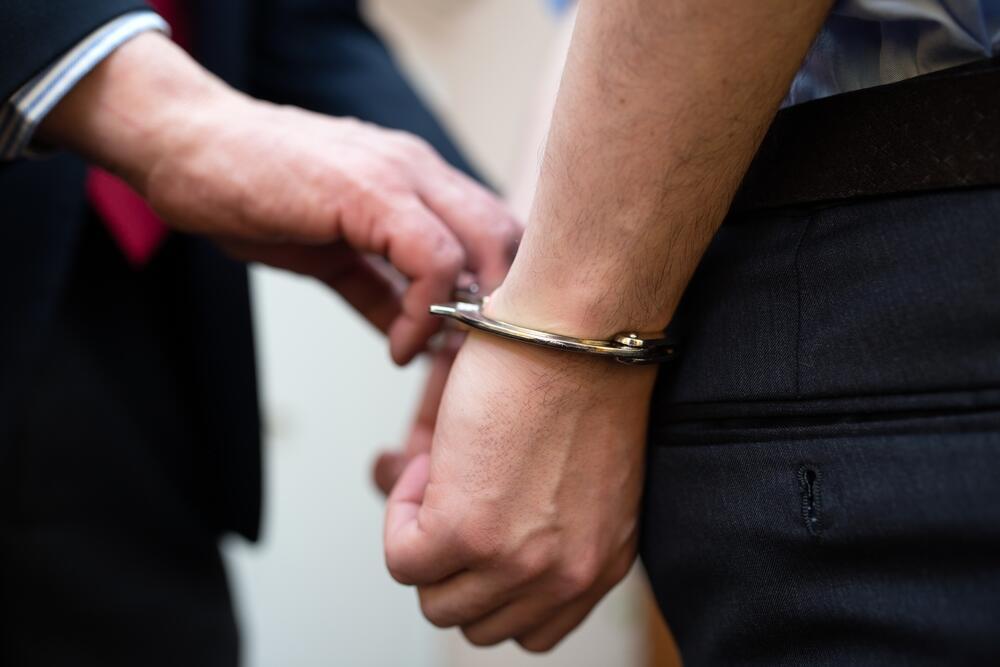
Ginzburg said the bill seeks to protect the presumption of innocence, which he said is often undermined when photos of suspects are circulated. “A picture of a person sitting on the defendants’ bench beside police officers is worth a thousand words,” he said. “The presumption of innocence is erased the moment his photo, sometimes handcuffed, is distributed, creating the image of a criminal.”
Gotliv called the measure “of utmost importance,” saying it prevents humiliation rather than restricting the public’s right to know. “Experience has shown that despite existing laws, degrading photos continue to be taken when a suspect has no control over the situation,” she said. “We are not blocking publication — we are preventing humiliation until an indictment is filed.”
She added that even if a suspect is later acquitted, “the degrading photo remains forever,” citing the case of Israeli singer Margalit Tzan’ani, whose arrest photo she described as humiliating.
Dr. Gur Blay, the committee’s legal adviser, said the bill aims to balance freedom of expression with human dignity. “The addition to the law clarifies that while photography in courthouse hallways will be allowed, publication will require either court approval or written consent from the suspect,” he said.
However, Gal Azriel of the Justice Ministry said the amendment adds a new criminal offense that could limit free expression. He said questions remain about how the law would be implemented, including procedures for court approval and appeals.
The bill will now advance to its second and third readings in the Knesset plenum.