


Hamas informed mediators on Tuesday evening that it would begin transferring the bodies of four deceased hostages to Israel at 10 p.m., according to a source involved in the process, who spoke to Reuters.
Earlier, senior Israeli officials said another phase of hostage body returns is expected, following talks with mediators and Hamas to restart the process after only four coffins were transferred to Israel overnight.
The convoy carrying the bodies of the four deceased hostages is on its way to the National Center of Forensic Medicine in Tel Aviv


Qatari broadcaster Al Araby reported that the terrorist group may deliver the remains of additional hostages to Israel later in the evening.
Israeli officials believe that Hamas is still holding additional bodies of deceased hostages, and negotiations and pressure are ongoing through the mediators to secure their return.
Meanwhile, Israel transferred 45 bodies of Hamas operatives to Gaza on Tuesday, in accordance with the formula stipulating that 15 bodies are returned for each deceased Israeli hostage. So far, four bodies have been returned. Among them was Nepali national Bipin Joshi, who is not an Israeli citizen and therefore not included in the arrangement. The bodies were transferred to Gaza via the Red Cross.
Gallery
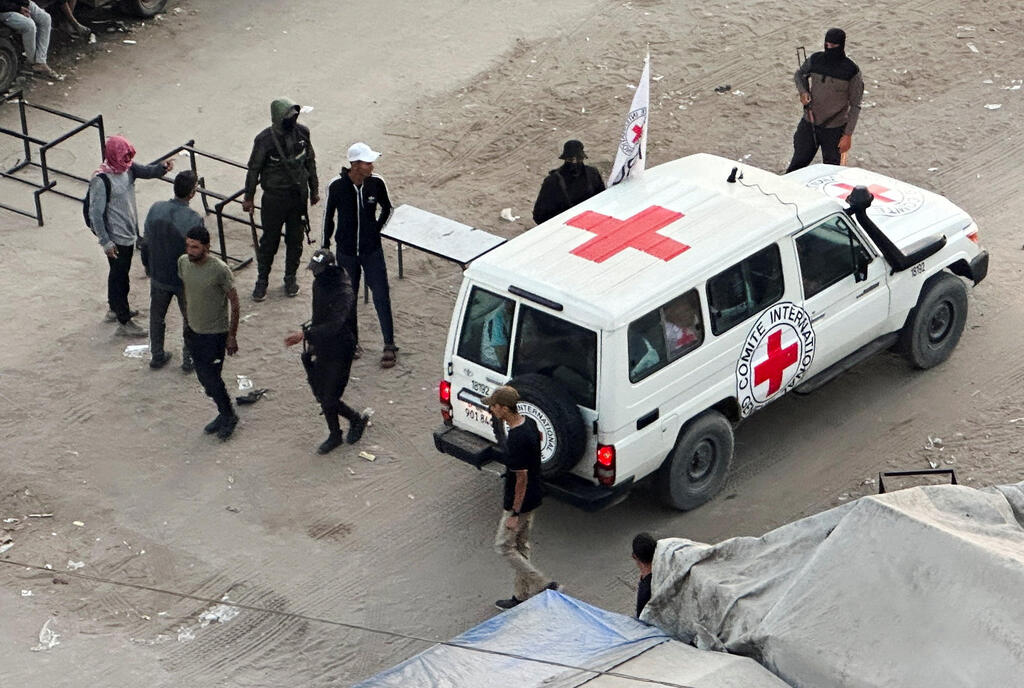
A Red Cross vehicle is transporting the bodies in the Gaza Strip
(Photo: Ramadan Abed/Reuters)
The Hostages and Missing Families Forum demanded that the government halt the next stages of the agreement until Hamas fulfills its commitments in full and returns all 24 deceased hostages. “The families demand that the prime minister disclose to the Israeli public the updated understandings with Hamas and refrain from implementing the agreement until the last hostage is returned,” the families said in a statement.
“The people of Israel are witnessing the revival of the erroneous preconception that led to the October 7 disaster. A nation that abandons its people and its fallen abandons its destiny. We will not allow history to repeat itself. There will be no victory and no rebirth until they are all home; until the last hostage.”
Hamas released 20 living hostages on Monday, but failed to hand over the remains of deceased hostages as agreed upon under U.S. President Donald Trump's ceasefire deal, returning the bodies of just four captives. In response, Israel announced the Rafah Crossing would remain closed Tuesday and humanitarian aid to Gaza would be reduced. Jerusalem is continuing discreet talks through mediators while holding back from harsh public statements.
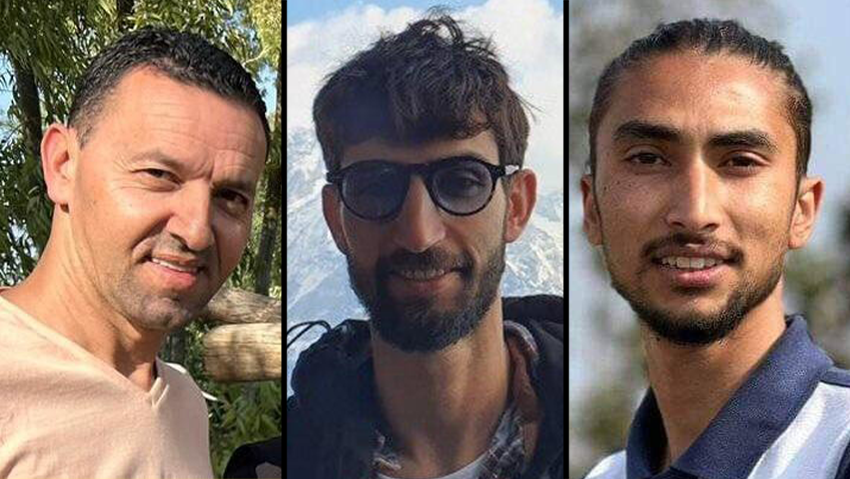
Yossi Sharabi, Guy Illouz, Bipin Joshi
(Photo: Hostages and Missing Families Forum , courtesy of the families)
During pre-deal talks in Sharm el-Sheikh, Hamas claimed it knew the whereabouts of about half of the 28 deceased hostages, though no timeline was set for their return. Israel expected to receive up to 15 bodies within 72 hours, but only four were transferred: Guy Illouz, Bipin Joshi, Yossi Sharabi and another whose family requested anonymity.
“Failure to return the bodies could collapse the agreement,” a senior Israeli official said, though noted it’s unclear whether this constitutes a breach, as Hamas had warned earlier it might face difficulties locating all the remains. “We want to exhaust the issue and see where things stand. It’s clear that returning the bodies will take more time, and we hope it will be resolved.”
Prime Minister Benjamin Netanyahu is expected to meet Tuesday evening with Defense Minister Israel Katz and IDF officials to discuss the stalled return of deceased hostages. Israel has made clear to Hamas that the return of the dead is no less urgent than the living.
If Hamas fails to comply, Israel may impose additional sanctions outlined in the deal, including delaying Gaza’s reconstruction. Beyond closing Rafah and cutting aid, measures could include blocking the entry of caravans and heavy equipment, as well as preventing the reopening of bakeries—though such steps could also expose Israel to accusations of undermining the deal.