


The UN Security Council convened Wednesday to discuss the situation in the Middle East, in a session focused entirely on Israel and its actions in the Gaza Strip and the West Bank.
U.K. Foreign Secretary Yvette Cooper, who initiated the discussion, expressed sharp criticism of Israel and said its actions were undermining prospects for peace and worsening the humanitarian crisis among Palestinians. She said Israel was applying economic pressure and that the Palestinian economy was under severe strain due to delays in the transfer of some tax revenues by the Israeli government. Israel has said it deducts funds from the Palestinian Authority equivalent to payments it alleges are transferred to families of militants.
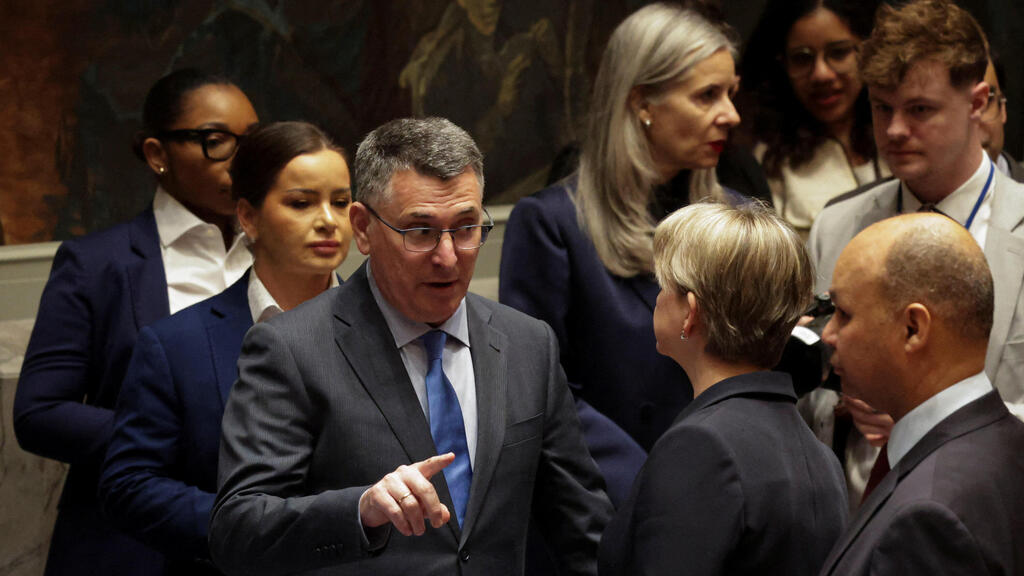
Cooper also said settlement expansion and settler violence had reached unprecedented levels and described the situation as a serious violation of international law. She stated that Palestinian families and communities were being displaced from their homes and land, and argued that such actions contradicted Security Council resolutions.
She further said that more than 600 Palestinians had been killed in Israeli attacks since the ceasefire, according to figures she cited. Cooper also warned that Israeli restrictions on international organizations operating in Gaza were limiting access to essential humanitarian assistance and could lead to the closure of health facilities. She called for a change in Israeli policy and said that without such steps, conditions in Gaza would not improve and lives could continue to be lost due to delays and restrictions.
UN Under-Secretary-General for Political and Peacebuilding Affairs Rosemary DiCarlo also expressed concern about Israel’s actions. She said that despite the ceasefire, Israeli forces had intensified airstrikes in late January and early February, resulting in the deaths of dozens of Palestinians, including women and children, according to UN assessments.
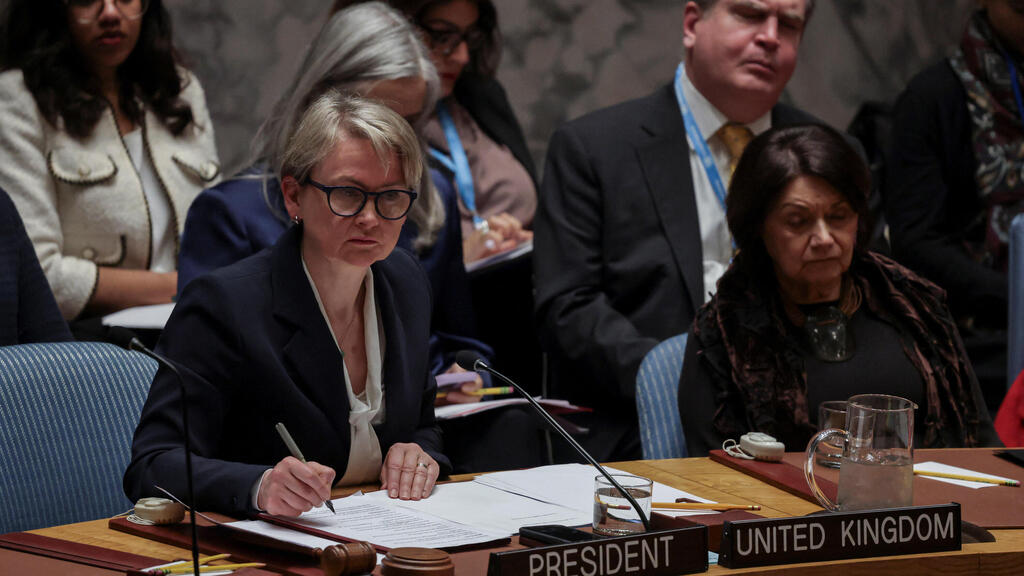
U.K. Foreign Secretary Yvette Cooper
(Photo: REUTERS/Jeenah Moon)
DiCarlo warned of a significant deterioration in the West Bank, citing what she described as large-scale Israeli military operations that included the use of live fire, mass arrests, the takeover of homes, movement restrictions and the displacement of Palestinian families.
She also expressed concern over continued settlement expansion, increased settler violence, demolitions and evictions in East Jerusalem, and said these developments were contributing to what she described as gradual de facto annexation of parts of the West Bank. DiCarlo criticized Israeli cabinet decisions to expand civilian authorities in certain areas and to renew land registration procedures in Area C, saying such steps violated international law and could lead to Palestinians losing land.
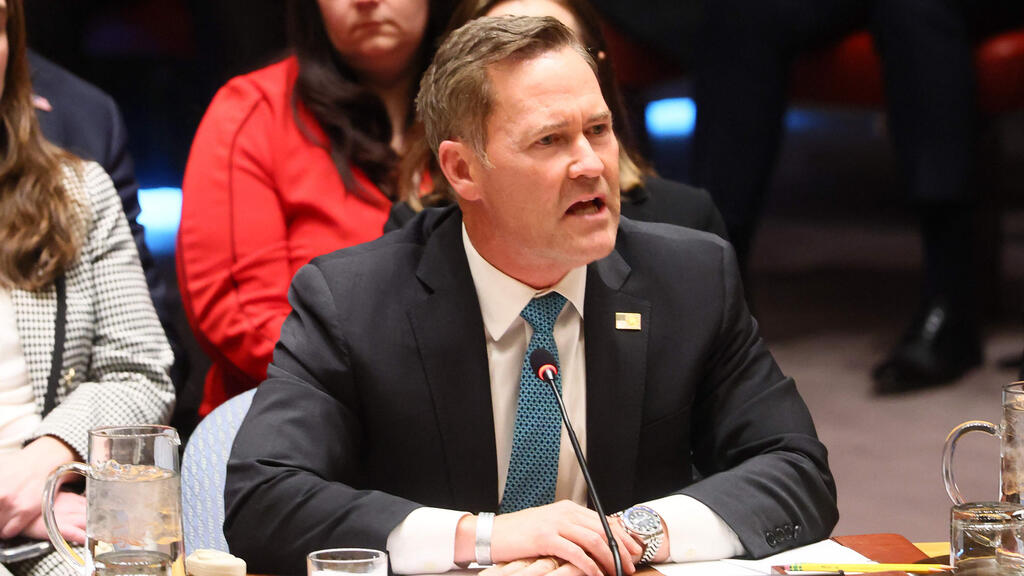
U.S. Ambassador to the UN Mike Waltz
(Photo: Michael M. Santiago / GETTY IMAGES NORTH AMERICA / AFP)
U.S. Ambassador to the United Nations Mike Waltz presented a contrasting position, expressing support for President Donald Trump’s proposed framework for Gaza and sharply criticizing Hamas. He said the plan offered a clear path forward after two years of discussions and accused Hamas of ruling Gaza harshly, sacrificing its own population for propaganda, and holding hostages in tunnels instead of rebuilding the territory. He said the fighting had subsided and that all hostages had been returned, whether alive or dead.
Waltz added that reconstruction in Gaza could not proceed unless Hamas dismantled its military and militant infrastructure, including tunnels and weapons production facilities. He said Gaza needed to be demilitarized and that further radicalization must be prevented, adding that reconstruction should not take place in areas where Hamas remained armed.
French Ambassador to the United Nations Jérôme Bonnafont also criticized Israel’s policies. He said the situation in the West Bank was grave and unprecedented and was undermining prospects for peace. He added that the futures of the West Bank and Gaza were inseparably linked and said expanding Israeli control in the West Bank was contrary to international law and weakened the Oslo framework. Bonnafont also said that with the return of the remains of the last Israeli hostage, an opportunity had emerged, and reaffirmed France’s support for a two-state solution.
First published: 06:51, 02.19.26