

U.S. President Donald Trump is set to host Britain’s King Charles at the White House on Monday evening for his first official visit to the United States. But beforehand, according to U.S. media reports, Trump will hold a sensitive discussion with his administration’s national security leadership regarding the campaign against Iran.
The meeting comes against the backdrop of a deadlock in negotiations with Iran’s clerical regime. Trump, who canceled his envoys’ flight to Islamabad two days ago, said Sunday that the United States would no longer hold talks with Iran in Pakistan. “That’s a 17- to 18-hour flight. If they want to talk, they can come to us or call,” he told Fox News. Alongside Iran’s refusal to compromise on key disputes — particularly its nuclear program — Tehran is also refusing to attend talks as long as a U.S. naval blockade on its ports remains in place.
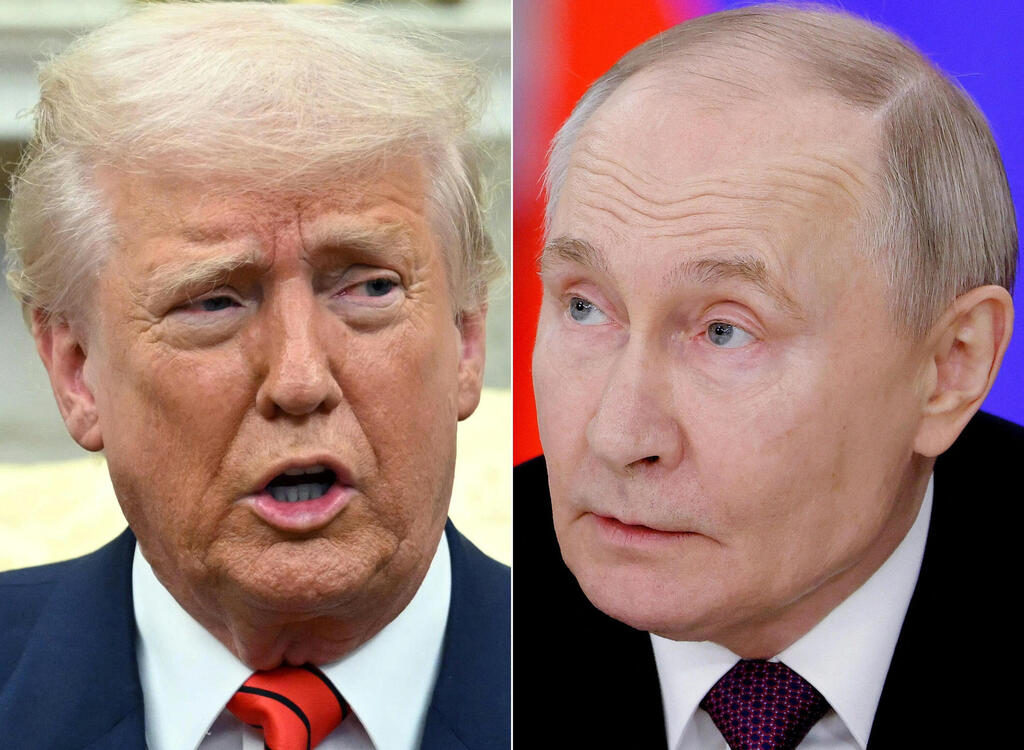
According to a CNN report Monday afternoon, the White House discussion will focus on how to proceed, including whether to resume the war and strikes against Iran. Trump, at least publicly, has expressed doubt about the need to renew the strikes and for now has voiced satisfaction with the naval blockade, which he says is causing massive economic damage. He claims it is preventing Iran from earning $500 million a day in oil export revenue.
ABC News also reported on the White House meeting, citing a U.S. official who said the Trump administration is growing increasingly confident in the blockade’s effectiveness, while becoming more skeptical about the prospects of negotiations with Iran producing results. One official said a new proposal submitted by Iran over the weekend, including “new conditions” for ending the war, does not meet Trump’s red lines.
Putin hosts Iran’s foreign minister
According to an overnight report by the U.S. news site Axios, Iran on Sunday presented the United States with a proposal aimed at bypassing the most contentious issue in the talks: the nuclear program. Tehran reportedly offered a deal under which the Strait of Hormuz would be reopened, the U.S. blockade lifted, and nuclear talks would continue. It is unclear whether Washington finds the proposal acceptable, as Trump has recently sounded as though he is demanding, in any agreement with Iran, the surrender of enriched uranium and a ban on enrichment for at least 20 years, even though he has publicly said he expects a “permanent” deal.
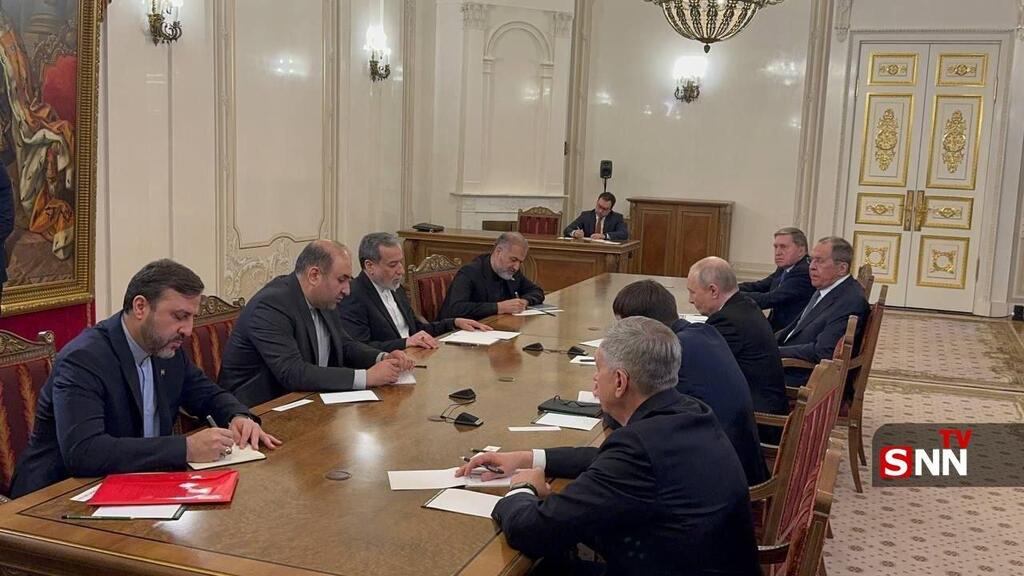
Meanwhile, Iranian Foreign Minister Abbas Araghchi met Monday afternoon in Russia with President Vladimir Putin as part of a diplomatic tour of several countries. Putin said he had received a message from Iran’s new supreme leader, Mojtaba Khamenei, and asked Araghchi to convey his well wishes to the supreme leader, who was wounded in the opening strike of the war and has since remained in hiding amid fears of an assassination attempt.
“Russia will do everything for the interests of Iran and other countries in the region,” Putin was quoted as saying by the RIA news agency. He also said Moscow would continue to maintain a “strategic” relationship with Tehran. “Russia hopes the Iranian people will withstand this difficult period and that peace will prevail,” he added.
First published: 16:22, 04.27.26