

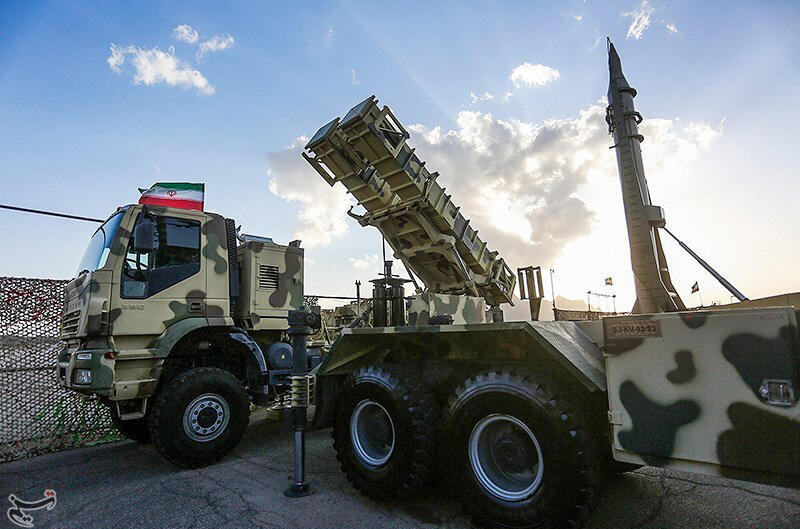
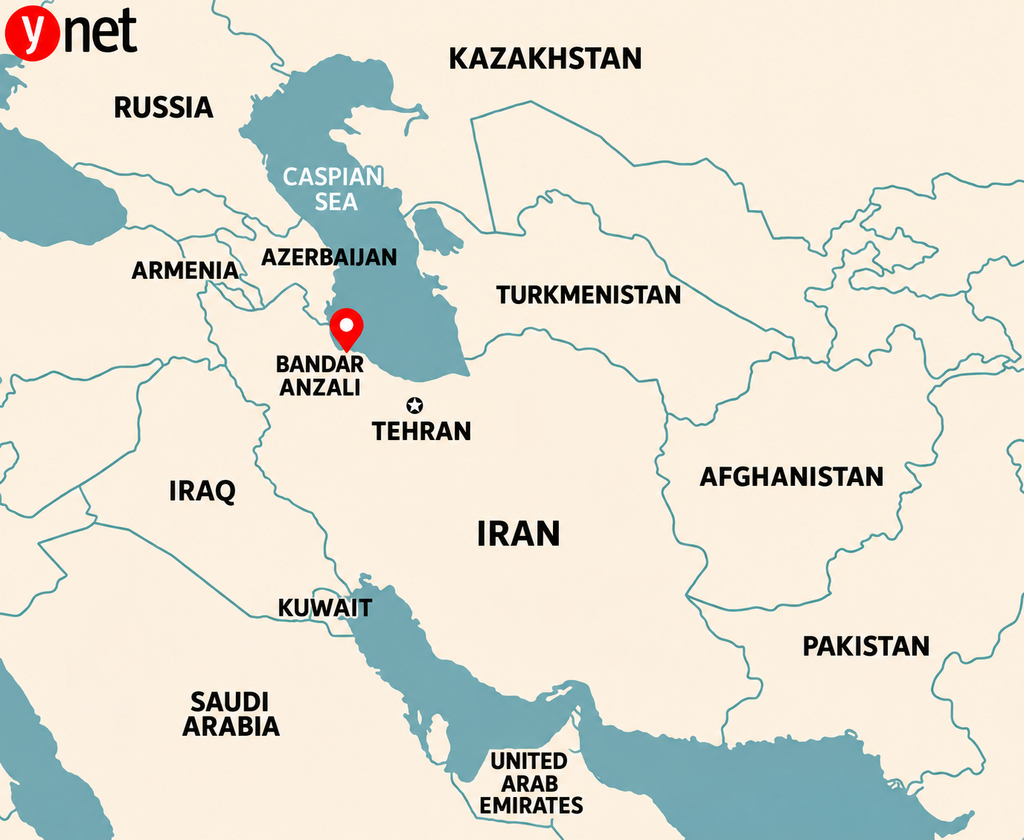
After months of a maritime blockade on Iran, the U.S. military is establishing a new task force aimed at strengthening Washington’s efforts to restrict the movement of advanced weapons systems and other sanctioned goods across Iran’s land borders and through the Caspian Sea.
The move comes alongside reports of possible progress in contacts between Washington and Tehran mediated by Qatar, as efforts continue to formulate an arrangement that could prevent renewed escalation.
U.S. Central Command, or CENTCOM, is expected to announce the establishment of the task force later Saturday, according to a statement obtained by Reuters ahead of its official release. Details of the initiative had not previously been made public.
The task force, to be called Iron Gate, will operate from CENTCOM’s headquarters in Tampa, Florida, and coordinate with other U.S. government agencies. In addition to tracking weapons movements, it will focus on dual-use goods and illicit revenue streams.
“Strengthening CENTCOM’s cooperation with our U.S. government agency partners will further restrict Iran’s ability to finance terrorism, rebuild weapons factories and replenish its military equipment,” Adm. Brad Cooper, commander of CENTCOM, said in the statement.
CENTCOM estimates that the U.S. military’s maritime blockade has so far prevented Iran from exporting more than $25 billion worth of crude oil.
The maritime blockade was first imposed by President Donald Trump in April, shortly after the original ceasefire in the war. Trump lifted it in June as part of a memorandum of understanding, but reinstated it on July 14. Under the renewed blockade, U.S. naval forces have sought to prevent Iran from exporting oil to global markets, with Washington aiming to further cripple the Iranian economy.
The U.S. tightened sanctions further in August in an effort to paralyze Iran's economy, including measures that dealt a significant blow to the Islamic Republic's aviation sector. Although Iran's economic situation has deteriorated in recent months, the regime has shown no public sign of backing down. Tehran has repeatedly said it will agree to a deal only if Washington accepts seven conditions, including lifting the maritime blockade and sanctions and releasing Iranian funds frozen outside the country.
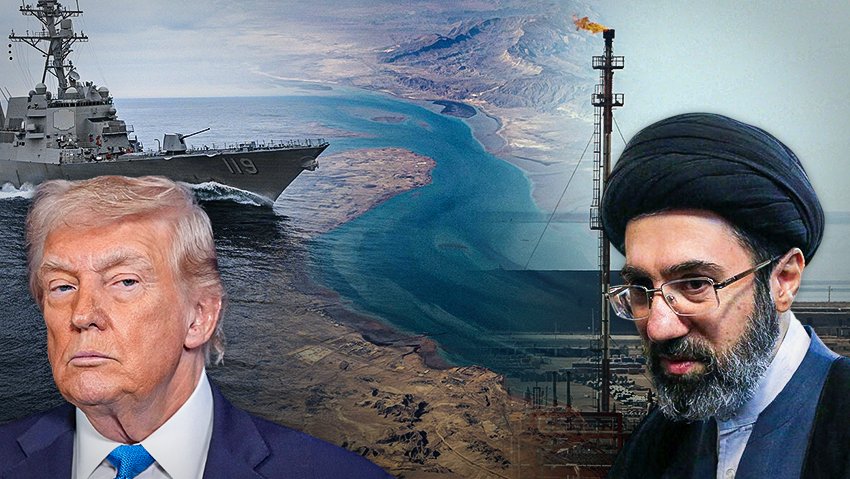
(Photo: AP/Alex Brandon, Atta KENARE/AFP, REUTERS/Stringer, Lance Davis/United States Navy/Huntington Ingalls Industries)
Iran has also repeatedly targeted oil tankers crossing the Strait of Hormuz in recent weeks as the U.S. seeks to reopen the sea lane, which is critical to the global economy. Tehran has claimed that the tankers struck mines, though those accounts have been met with considerable skepticism. Reuters recently reported that in at least one case, a small boat attached limpet mines to a tanker.
On Saturday afternoon, Iran's navy said another oil tanker had violated restrictions east of the Strait of Hormuz, entered a prohibited and unsafe area, ignored warnings and kept its navigation systems switched off. It claimed the tanker caught fire after striking a naval mine and was left stranded at the scene.
The U.S. has so far refrained from a major response to the Iranian attacks, which are aimed at disrupting the strait again, driving up global fuel prices and giving Tehran additional leverage over Washington. Negotiations aimed at preventing a renewed military campaign are continuing, although Trump said overnight that the U.S. military had again struck inside Iran for the first time since the Republican defeat in the midterm elections. He described the action as “minor.” “They knocked out -- they built a little bit of an anti-aircraft device and we knocked it out in about 15 minutes, maybe five,” Trump said.
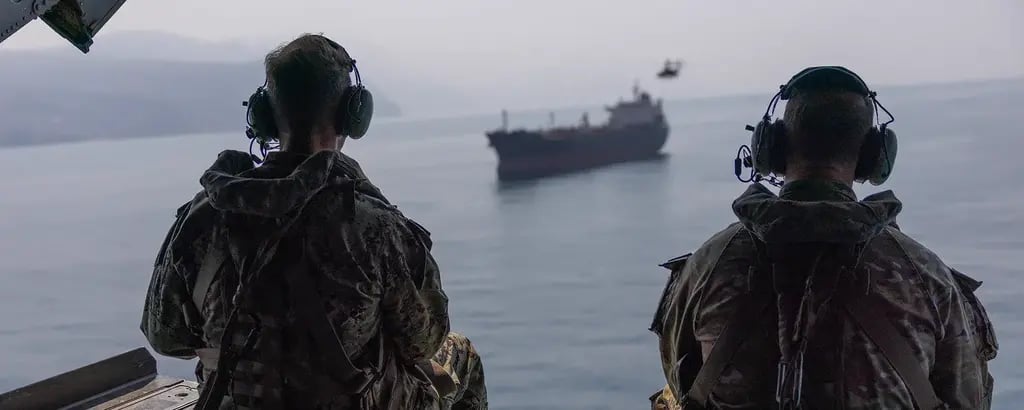
(Photo: CENTCOM)
The Reuters report comes as separate accounts point to the possibility of a breakthrough in negotiations. Two Middle Eastern sources told Reuters on Friday that Iran was examining proposals submitted by Qatar, which is serving as the main mediator, in an effort to bridge differences with the U.S. over Tehran's nuclear program. One source cautioned, however, that Iran was still unwilling to enter negotiations with the Trump administration over its nuclear activities unless Washington first accepts the basic conditions Tehran wants included in any ceasefire agreement.
Iran's nuclear program remains the most difficult issue in the talks. Trump insists it must be addressed as part of any agreement to end the war, while Tehran has publicly maintained that negotiations over the nuclear program can begin only after the war ends. Bloomberg, however, reported Friday that the U.S. and Iran may be moving closer to a breakthrough. A diplomat familiar with the talks said Tehran was showing a willingness to discuss nuclear issues it had previously refused to negotiate and was examining proposals presented by Qatar. Any concession on that issue could pave the way for significant progress in the talks.
First published: 16:20, 11.07.26