

The CIA tracked the movements of senior Iranian leaders, including Supreme Leader Ayatollah Ali Khamenei, for months before this weekend’s U.S.-Israeli strikes, according to a person familiar with the operation who spoke with AP.
The person, who was not authorized to comment publicly and spoke on condition of anonymity, said the intelligence was shared with Israeli officials and that the timing of the strikes was adjusted in part based on that information. The New York Times earlier reported on U.S. intelligence efforts ahead of the joint operation.
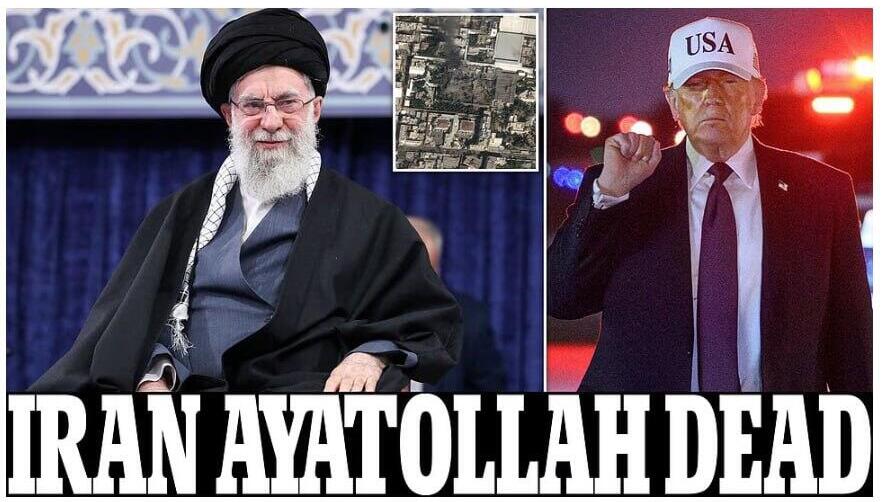
The strikes killed Khamenei and other senior Iranian leaders, dramatically escalating the conflict and prompting vows of retaliation from Tehran.
Blasts rocked Tehran on Sunday, sending plumes of smoke over government districts. Iranian authorities said more than 200 people have been killed since the start of the US and Israeli bombardment.
Iran retaliated with missile and drone attacks on Israel and Gulf Arab states hosting US forces. In Israel, nine people were killed and 28 wounded when a missile struck a synagogue shelter in Beit Shemesh. Eleven people were reported missing as rescue crews searched the rubble, police said.
The U.S. military said three American service members were killed and five seriously wounded, the first confirmed US casualties of the conflict.
CIA
(Photo: Shutterstock)
Iranian President Masoud Pezeshkian said a temporary leadership council has begun governing until a new supreme leader is chosen. Foreign Minister Abbas Araghchi said a successor could be selected within “one or two days.”
As supreme leader since 1989, Khamenei had final authority over Iran’s military, nuclear and foreign policy decisions. His death creates a leadership vacuum that analysts warn could deepen regional instability.
Iran’s parliament speaker, Mohammad Bagher Qalibaf, vowed retaliation, warning that those responsible would “pay the price.” President Donald Trump cautioned against further escalation, writing on social media that Iran “better not” retaliate or face unprecedented force.
The conflict has disrupted air travel across the Middle East and raised concerns over global energy markets. About 20% of the world’s traded oil passes through the Strait of Hormuz, a route that could become a flashpoint if the fighting expands.
U.S. officials said tensions had been building for weeks, with Washington deploying significant naval and air assets to the region. Intelligence assessments indicated Iran was rebuilding parts of its nuclear infrastructure despite previous strikes, including efforts to produce advanced centrifuges used in uranium enrichment.
Iran has denied pursuing nuclear weapons and maintains its program is peaceful, though it has restricted access to international inspectors at sites hit in earlier strikes. Satellite imagery reviewed by The Associated Press has shown renewed activity at some of those facilities.