

Amid efforts by Likud lawmaker Boaz Bismuth to signal “serious intent” to ultra-Orthodox parties, the Knesset’s Foreign Affairs and Defense Committee convened Sunday for the first of three meetings this week aimed at advancing legislation on IDF draft exemptions.
The unusual scheduling during the Knesset recess was meant to send a message from the coalition to its Haredi partners about accelerating the process to preserve the government’s majority. United Torah Judaism leader Yitzhak Goldknopf is also set to meet with Bismuth on Wednesday after a long freeze in communication.
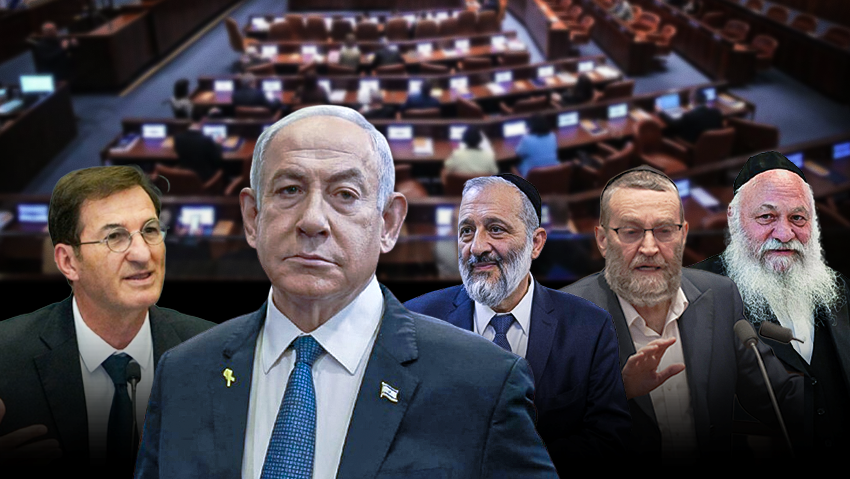
During the session, Blue and White MK Hili Tropper asked how the ultra-Orthodox could be expected to meet enlistment targets when they classify all who do not serve as full-time yeshiva students. “If everyone is granted a deferment under the proposed law, they will never meet the targets,” Tropper said.
Committee legal adviser Miri Frenkel responded that while the defense minister would retain authority to grant deferments, sanctions and enforcement mechanisms would be built in to encourage compliance. Government Secretary Yossi Fuchs added, “There will be significant sanctions after a year.”
Opposition MK Efrat Rayten argued the plan was too soft, calling it “trial and error.” She said, “This may not succeed, and we’ll only know years from now.” Frenkel and Fuchs acknowledged it was an untested process.
IDF planning and manpower division head Brig. Gen. Shay Taib told lawmakers that 2,940 ultra-Orthodox men enlisted this year, a sharp increase from the average of 1,800 in previous years. But he stressed that the gap remains huge compared with the army’s needs: “The IDF can absorb about 4,800 in a year, and we are far from that number.”
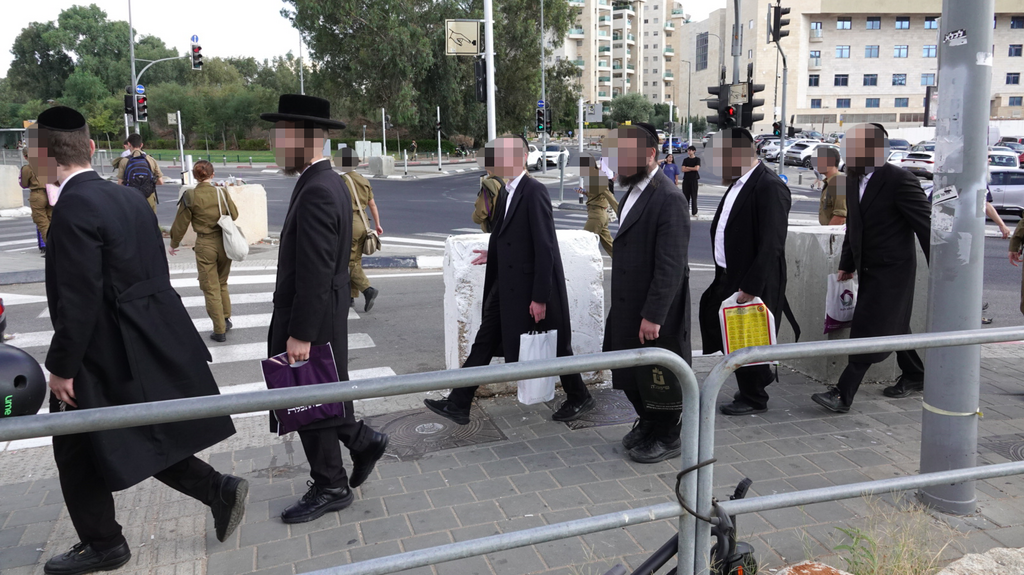
Haredi arriving to the drafting base
(Photo: Shaul Golan)
Taib added, “Relative to the potential in the Haredi public, the enlistment rate is still very low. Tens of thousands of young men carry this burden on their shoulders, while many remain outside the system.”
Behind the scenes, coalition leaders are also holding talks with ultra-Orthodox parties ahead of a vote on new funding for Israel’s defense budget. It remains unclear whether the Haredi factions will support the budget, but the committee sessions are intended to “soften” their stance and facilitate their return to the coalition.
Prime Minister Benjamin Netanyahu met Degel HaTorah leader Moshe Gafni on Thursday, and emissaries also reached out to Shas and Agudat Yisrael officials. Discussions have included the possible reversal of cuts to Haredi education budgets in favor of wartime spending. Goldknopf’s upcoming meeting with Bismuth is being watched for signs of progress.
Meanwhile, Bismuth has already held talks with Shas lawmakers, including former minister Ariel Atias and MK Yinon Azulai, who pressed to restore understandings reached with former committee chair Yuli Edelstein on the eve of the war with Iran.