

According to the indictment, filed by the Jerusalem District Attorney’s Office, Cohen had been in contact with an Iranian agent since December via the Telegram messaging app. He agreed to carry out various tasks, including transferring sensitive security information to which he was exposed in his role, in exchange for payment in cryptocurrency.
(Photo: AP, AP Photo/Majdi Mohammed, Planet Labs Inc./Handout via REUTERS, Shutterstock)
Early in the relationship, prosecutors said, Cohen received an initial payment as proof of intent. He then provided detailed information about his role in the Iron Dome system, including its operations, battery structure and interception procedures, and shared photos and videos he recorded during his service, including operational footage.
The indictment also alleges that Cohen provided locations of Israeli Air Force bases and Iron Dome batteries, as well as personal details and contact information of several individuals, at the agent’s request, in an effort to explore recruiting them for cooperation with Iranian operatives.
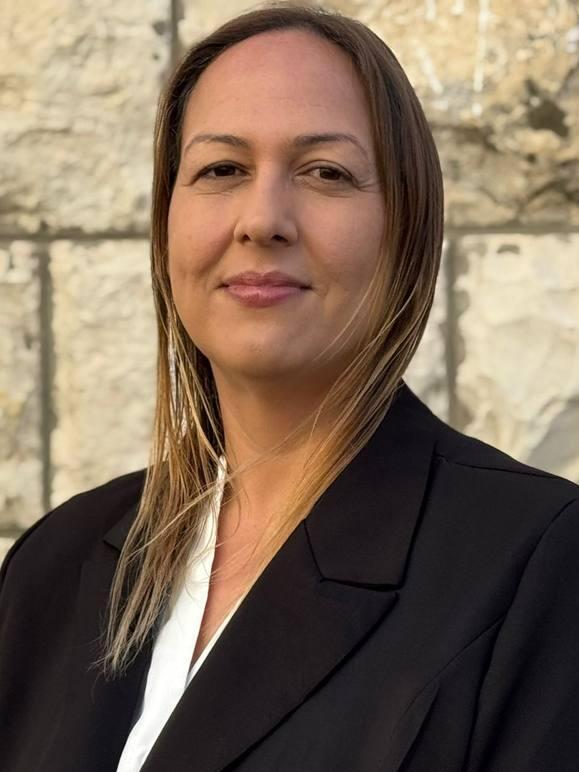 Attorney Yifat Pinhasi Nevo
Investigators said Cohen was aware that he was in contact with Iranian elements. In total, he received about $1,000 in cryptocurrency for his actions.
Police said in a statement that authorities warn against maintaining contact with foreign agents from enemy states or unidentified individuals, emphasizing that intelligence and terror groups continue efforts to recruit Israelis for espionage and security-related missions, including via social media, even during the current war with Iran.