


Palestinian residents returning to the Gaza Strip through the Rafah crossing describe a new reality on the ground, with local militias stepping into the governing vacuum, setting up oversight and interrogation mechanisms for returnees and openly challenging Hamas rule.
Local sources said the militias have been contacting family members of Hamas operatives and employees of Hamas-run institutions, urging them to sever ties with their relatives and warning that the militias now see themselves as responsible for maintaining public order in Gaza.
Palestinians return to Gaza through Rafah Crossing


Testimonies aired on the Al-Araby television channel included accounts from Gaza residents who said they were subjected to harsh treatment upon return. One woman said, “They didn’t allow food, water, perfume, nothing at all. We couldn’t bring anything to make our children happy. Everything was taken from us. They allowed only one bag of clothes per person.”
Another woman said, “They interrogated us and humiliated us.”
A further witness directly accused the Abu Shabab militia, which Israel has acknowledged cooperating with. “The Abu Shabab gang took the men and handed them over to the Jews,” she claimed. “They told us, ‘You are not leaving.’ They said they would hold us until we gave the names of those who entered Israel on October 7. They said they wouldn’t let us into Gaza at all.”
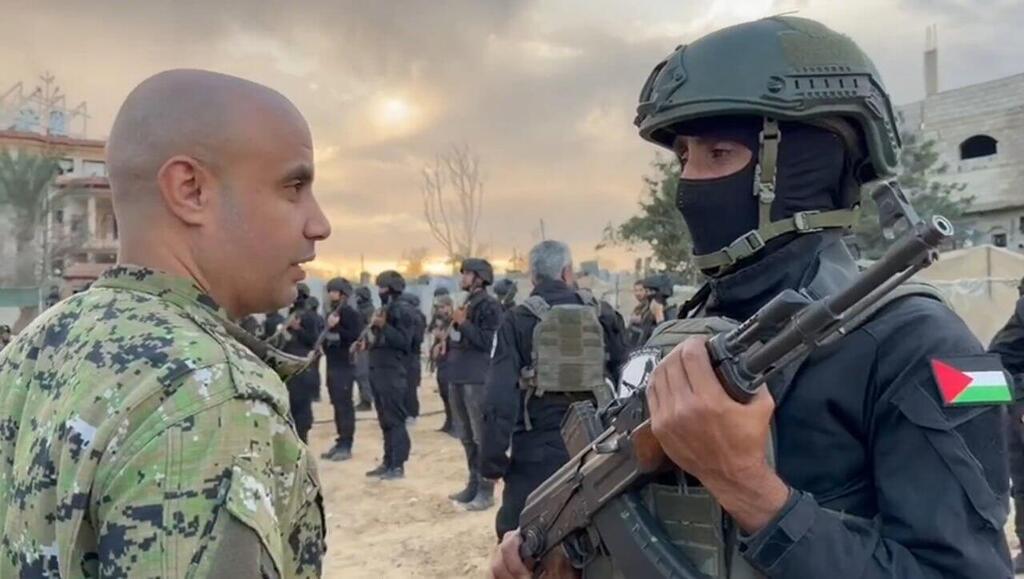
Against the backdrop of these accusations, the new leader of the Abu Shabab militia, Rassan al-Dheini told Ynet that “the Fifth Unit under my command will play an important security role regarding entry and exit through the Rafah crossing.” He stressed that it is “a Palestinian body operating exclusively inside the Gaza Strip.”
Meanwhile, Hussam al-Astal, commander of the al-Majida militia in Khan Younis, issued even more explicit threats.
“Any family that has a son or relative working in Hamas security forces or institutions, including civilian ones, must know that their role has ended,” he said in a statement. “We have decided to decisively defeat Hamas in all arenas, without exception.”
Anyone who continues to cooperate with Hamas, he warned, “will bear responsibility for their arrest or death. This is the final warning. The phase of decisive action is approaching.”
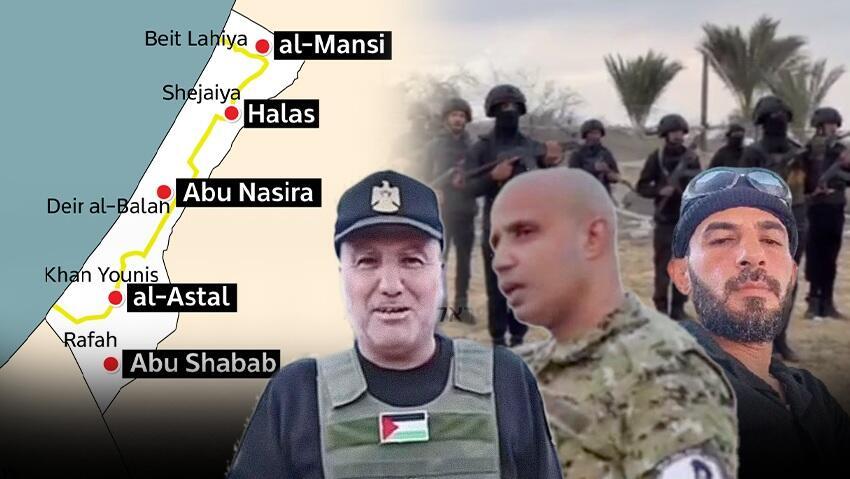
Gaza militias
Gaza governance committee still absent
At the same time, Ali Shaat, head of the Gaza administration committee, which has yet to physically enter the Strip, said the reopening of the Rafah crossing “marks the beginning of a path that reconnects what was severed and opens a real window of hope for Palestinians.”
He said the move was coordinated with partners and mediators as part of a 20-point plan presented by U.S. President Donald Trump. Shaat said the committee is expected to soon publish registration mechanisms, priority criteria and timetables for passage in order to ensure transparency and equal opportunity, and he praised Egypt for its role in reopening the crossing.
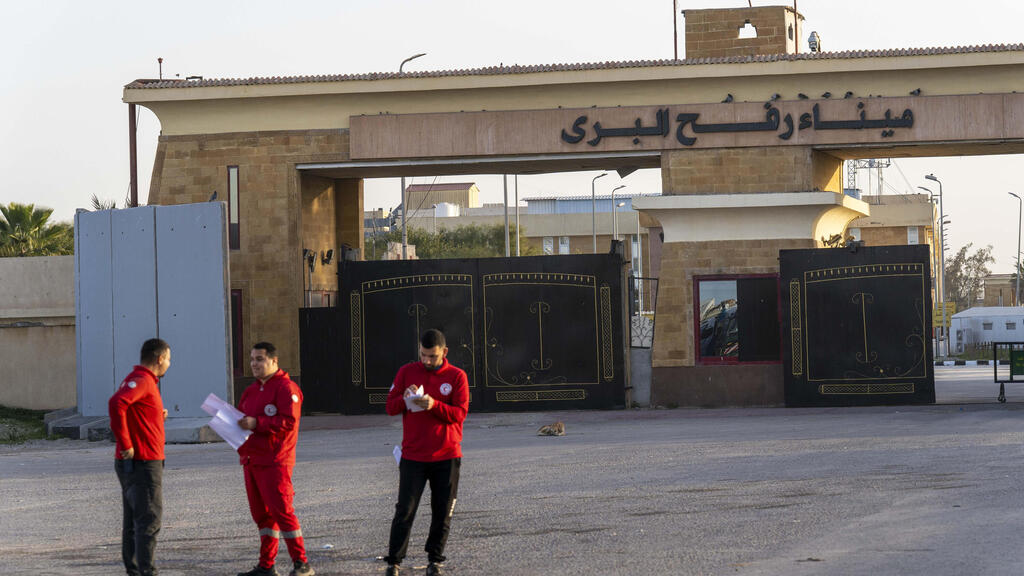
Rafah Crossing
(Photo: Ali Mustafa/Getty Images)
Despite the plan being announced more than four months ago, the Gaza administration committee, also referred to as the ‘technocratic government,’ is still not operating inside the Strip. A Palestinian source told Ynet the committee lacks a permanent headquarters and that there is no expectation one will be established in the near or foreseeable future.
Senior Hamas official abroad Razi Hamad told Qatar’s Al-Araby channel that despite the announcement of a technocratic government more than three weeks ago, it remains unclear why it has not entered Gaza.
“There may be budgetary, logistical and operational difficulties, as well as issues related to dealing with the reality in the Strip, including the question of employees,” he said.
As the power vacuum persists and concerns grow over Hamas efforts to regroup and rebuild, internal tensions in Gaza continue to intensify.