

Since October 2023, when the war broke out, the IDF have steadily expanded the territory under their control. It began in the Gaza Strip, continued in Syria and the West Bank, and now includes a large area in Lebanon. All of this requires troops — even as mandatory service is expected to be shortened in about six months.
At the political level, which has pledged “at the request of the chief of staff” to pass a package of laws extending compulsory service — while also exempting tens of thousands of ultra-Orthodox men from enlistment — progress has stalled. Despite the promises, discussions are unlikely to take place next week as well.
Where things stand today
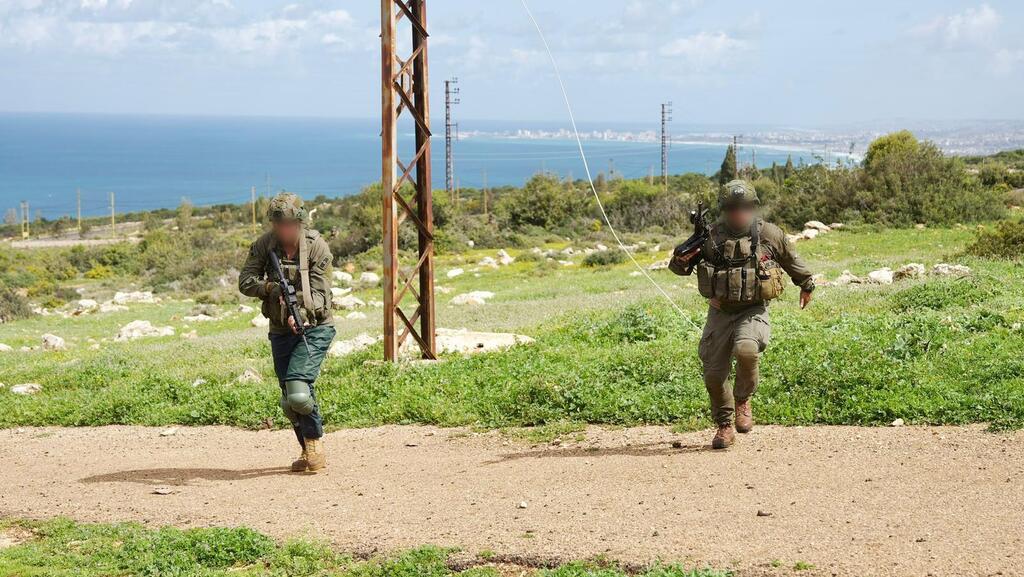
About a month ago, IDF spokesman Brig. Gen. Effie Defrin presented what he described as a troubling picture: the military needs about 15,000 additional soldiers, including roughly 8,000 combat troops. Under these conditions, the physical deployment of forces has shifted significantly. More and more combat soldiers have been assigned to missions controlling buffer zones — in Lebanon, Syria and Gaza. With the standing army stretched to its limits, reservists are filling the gaps.
Military officials say there is currently a shortfall of about 12,000 troops, but 15,000 are needed to prevent a larger gap in the future, including thousands of combat soldiers. According to military estimates, if compulsory service is not extended, the number needed could rise to 17,000.
IDF Chief of Staff Lt. Gen. Eyal Zamir warned members of the security cabinet — a forum of senior ministers overseeing defense policy — of what he called “red flags” pointing to a potential “collapse of the army” that “will not be able to meet its missions.” He called for the passage of a conscription law, without specifying a particular version, despite claims by the cabinet secretary that he referred to a specific bill. He also asked to formalize extending mandatory service to 36 months and to prevent its reduction to 30 months in the midst of a multi-front conflict. In addition, he called for legislation regulating reserve duty, the details of which are still being formulated by the Defense Ministry.
In the Gaza Strip, the IDF maintains control deep inside the territory with two divisions. In the West Bank, 21 battalions are operating under heavy strain across a wide range of missions that did not exist previously, including operations in refugee camps in the northern Samaria region and in more than 100 new locations. In southern Lebanon, five divisions are operating, and in Syria — where Israel maintains a buffer zone — three brigades are deployed, preparing the area for the years ahead.
Where things are headed
This reality, in which combat arenas are not “closed,” is turning what was meant to be temporary into something more permanent: a chain of missions aimed at preserving gains on the ground, without a clear end point. The political leadership appears to have hoped to reach a stronger starting position for negotiations, but the continued expansion of arenas is complicating the allocation of forces.
“The country’s surface area has grown. That’s a fact, and the army has not,” a security official told Ynet. “We are operating with the same reserve frameworks for far too long. If this continues into 2027, there will be fighters approaching 1,000 days of reserve duty. That’s hard to comprehend.”
According to the official, the current approach requires a constant presence on the ground to maintain gains, but the IDF cannot sustain this over time without significant reinforcement.
Since Oct. 7, the IDF’s concept of “forward defense” — preventing threats before they reach Israeli communities — has changed. The understanding following the deadly হামas attack on communities near the Gaza border is that proactive operations are needed against any emerging threat near border areas. This has also led to the creation of so-called “yellow lines,” forward defensive positions. Planning for 2026 has already undergone multiple revisions in response to rapidly changing security conditions.
A senior military official described the challenge: “We advanced to the ‘yellow line’ to prevent direct fire on residents. It’s clear to all of us that this level of deployment will not last, so we are preparing to provide similar protection with fewer forces. But if Lebanese residents return to the area — which is what Hezbollah seeks — the current level of protection will not be airtight.”
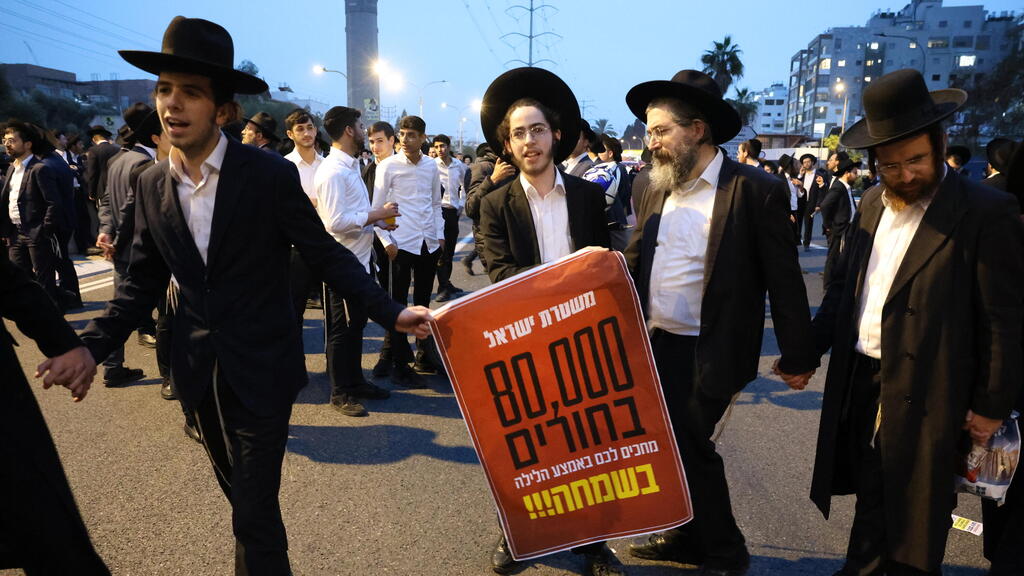
Protesters against military conscription in Bnei Brak
(Photo: Shaul Golan)
In practice, the IDF is implementing a method that allows control of larger areas with fewer troops by establishing a limited number of fixed positions and conducting long-duration, intelligence-based raids — both in Lebanon and Gaza. Forces move between areas to maintain operational gains. The goal is to prevent enemy regrouping, but frustration over the strain continues to grow.
Ultra-Orthodox concerns over 'enforcement measures'
As noted, coalition leaders have promised to resume advancing legislation on exemptions from military service and the extension of compulsory service after Israel’s Independence Day. For now, however, no discussions have been scheduled, and it is unclear whether they will take place next week.
In the background are deliberations within ultra-Orthodox parties over the wording of the bill and efforts to secure rabbinical backing. According to ultra-Orthodox sources, the main hesitation comes from the circle of Rabbi Moshe Hillel Hirsch, a leading figure in the Lithuanian stream of ultra-Orthodox Judaism (represented politically by the Degel HaTorah party). He is concerned the law could harm yeshivas, or religious seminaries, due to enforcement provisions.
Senior figures in ultra-Orthodox factions have also expressed concern that yeshivas may fail to meet even the relatively low enlistment targets set for the initial years, raising doubts about their support for the bill in its current form. They are awaiting another round of consultations with rabbinical leaders before giving final approval.
Rabbi Hirsch is expected to return in the coming days from a fundraising trip abroad for yeshivas, after which talks between lawmakers and rabbis are expected to resume.
Who can secure a majority?
According to coalition sources, little meaningful progress has been made behind the scenes, and disagreements remain — particularly over sanctions and demands by ultra-Orthodox parties to retroactively cancel the draft-dodger status of yeshiva students.
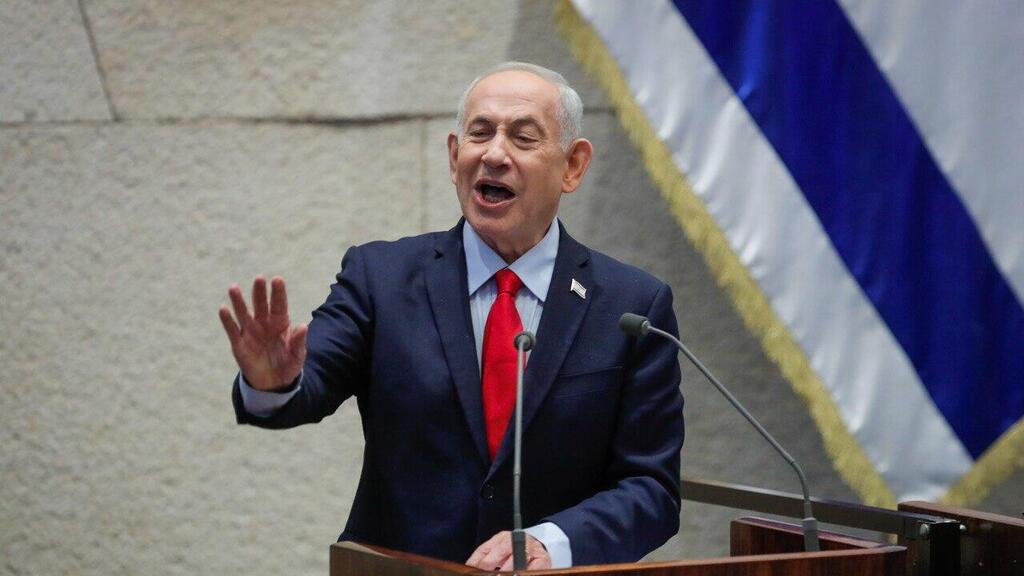
(Photo: Shalev Shalom)
Political sources within the coalition say there are also concerns that even if ultra-Orthodox parties decide to advance the bill, and Prime Minister Benjamin Netanyahu agrees, it is unclear whether there would be a majority to pass it at such a late stage in the government’s term, with elections approaching.
Several coalition lawmakers have publicly opposed the bill in its current form, saying they would not support it without changes. They include lawmaker Yuli Edelstein, Deputy Minister Sharren Haskel, Minister Ofir Sofer, and lawmakers Dan Illouz, Moshe Solomon and Moshe Saada, among others. They are joined by lawmaker Yitzhak Goldknopf, who also does not support the current version, while the positions of other members of the Agudat Israel faction remain unclear.