

The incident log from Sunday's deadly missile strike in the city of Beit Shemesh, as recorded in real time by emergency services, paints a dramatic picture of long minutes of confusion, gridlock and blocked access — alongside extraordinary rescue efforts carried out under extremely difficult conditions.
Nine people were killed in the strike and more than 50 were injured. So far, four of the victims have been publicly identified: Sarah Elimelech, her daughter Ronit Elimelech, Oren Katz and 16-year-old Gavriel Baruch Revah. Here is a timeline of events:
Iranian ballistic missile scores direct impact on Beit Shemesh


1:45 p.m. — First report: The Magen David Adom emergency dispatch center receives an initial report of a strike in an open area near Beit Shemesh. A volunteer reports seeing smoke, but the scope of the incident is still unclear.
1:48 p.m. — Fears of structural collapse: Additional reports of heavy smoke near the scene reach emergency medical and police dispatchers. First responders arriving in the area identify a large impact zone. At a nearby fire station, windows shatter from the blast wave and equipment is knocked over. Over the radio comes the order: deploy water lines and prepare for firefighting and rescue operations amid concerns of further collapses.

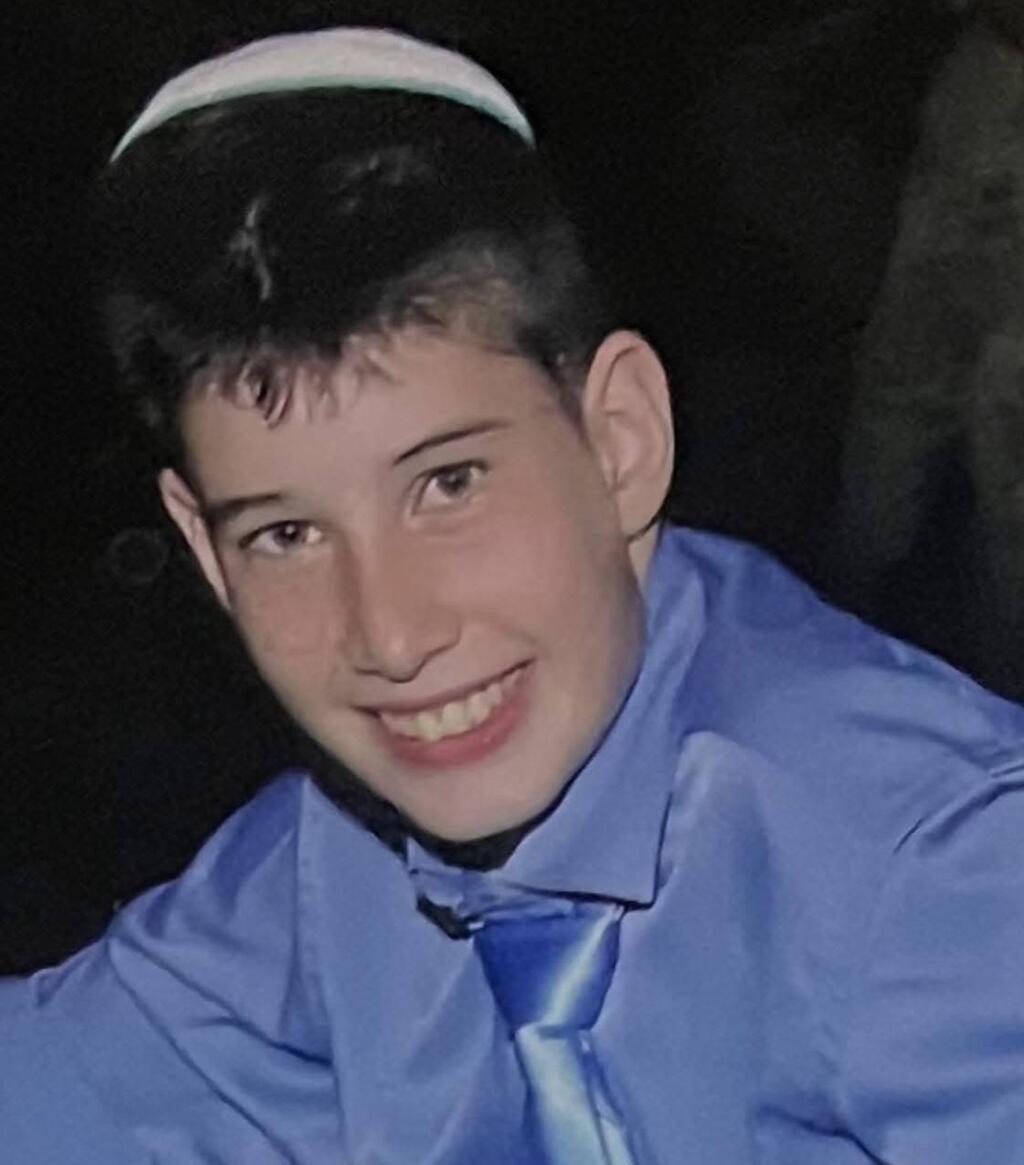
Gavriel Baruch Revah
1:52 p.m. — Scale of destruction emerges: Security officials receive reports that dozens of homes and vehicles have been damaged, with some buildings partially collapsed. Reports of multiple casualties and people trapped under debris begin to come in.
1:56 p.m. — Family trapped in safe room: Police report a direct hit on a private home, with family members trapped inside the reinforced safe room. Dozens of rescue teams are dispatched, including specialized search-and-rescue units from the Home Front Command.
The missile impact scene in Beit Shemesh
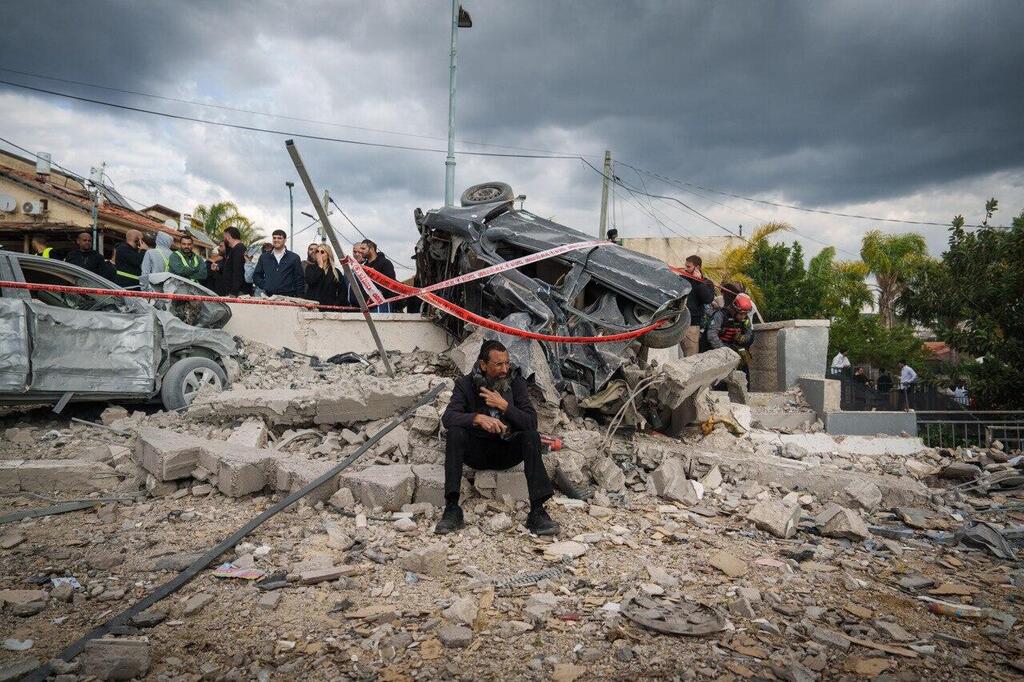
Rescue efforts at the missile impact scene in Beit Shemesh
(Photo: Shalev Shalom)
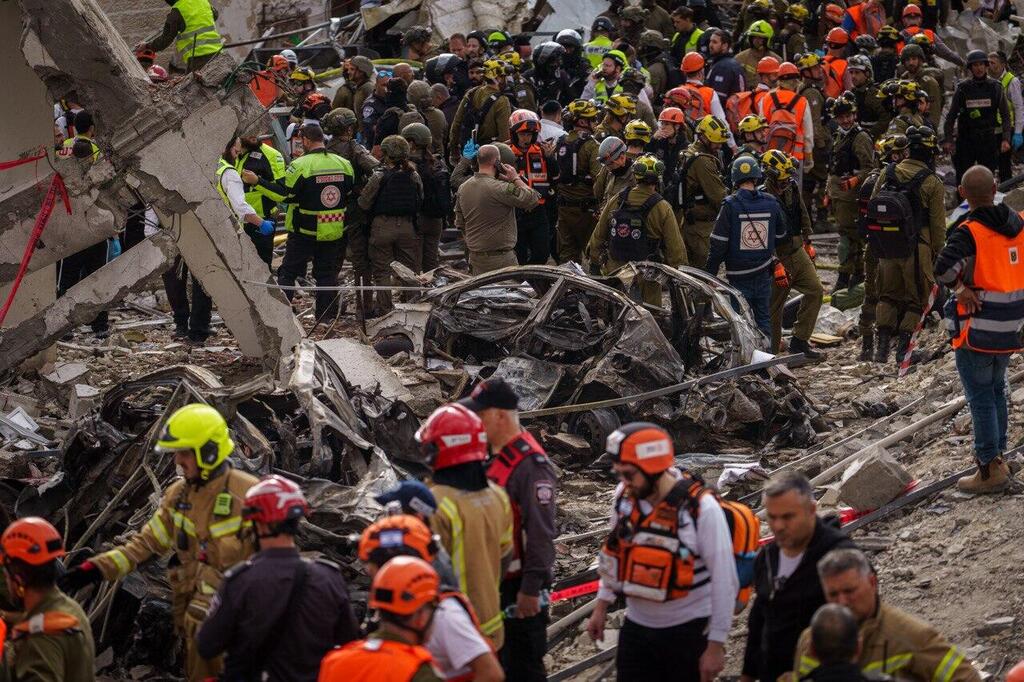
(Photo: Shalev Shalom)
1:59 p.m. — Baby pulled from rubble: Medical and rescue crews reach one of the destroyed structures and pull a baby from the debris. The child’s mother remains trapped at that stage.
2:05 p.m. — Access blocked: A dramatic radio transmission reports: “The entire route is blocked — we can’t move.” Rescue vehicles are stuck in heavy traffic. Even after a mass-casualty incident is declared and emergency protocols are activated, some access roads remain impassable, slowing responders trying to reach the main impact site.
The missile impact scene in Beit Shemesh
(Video: United Hatzalah)
2:07 p.m. — Death toll rises: Within minutes, reports indicate four fatalities, as crews continue searching for additional survivors under the rubble.
2:10 p.m. — Request for heavy machinery: With buildings collapsed, an urgent request is made for bulldozers and a heavy engineering crane. The Home Front Command says the equipment is on its way, but it will not arrive until around 4:30 p.m. — roughly two and a half hours after the strike.
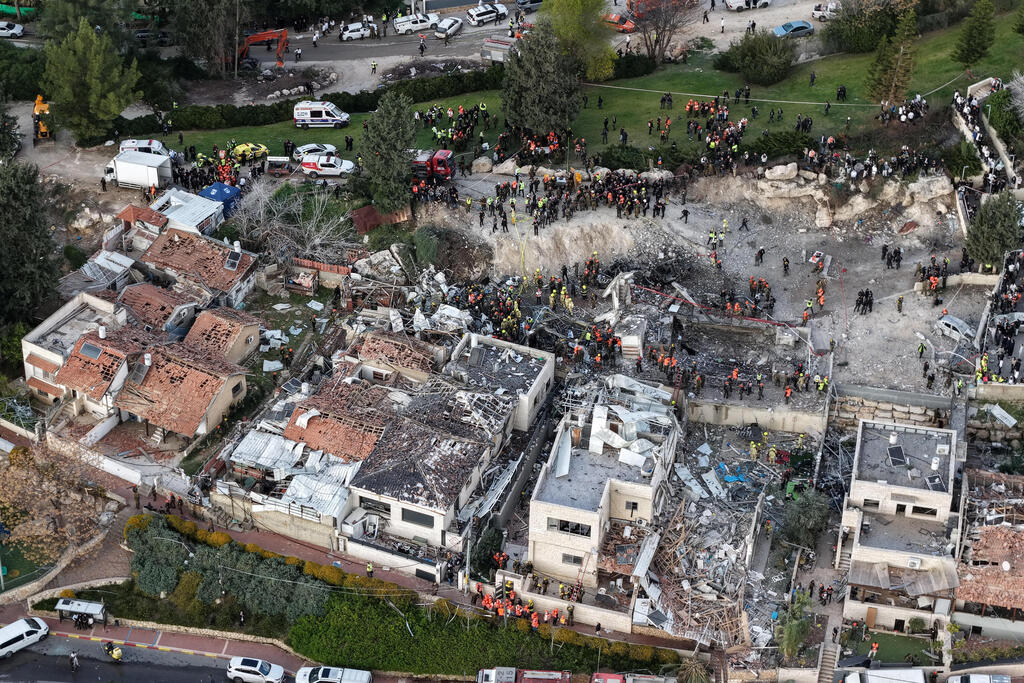
(Photo: REUTERS/Ilan Rosenberg)
2:30 p.m. — Running in on foot: Some rescue vehicles and specialized units are forced to stop about 500 yards from the scene. Personnel unload saws, stretchers and heavy equipment and run on foot between stalled vehicles. Another unit reports being delayed because its vehicle lacks an emergency warning system. Meanwhile, survivors remain trapped under the rubble.
3:11 p.m. — Situation assessment: Police, rescue agencies and the Home Front Command conduct a joint field assessment and divide the area into three operational sectors to streamline search-and-rescue efforts.
3:52 p.m. — Rescue operations conclude: During the searches, additional victims are found deceased. A radio update reports: “So far we have recovered nine dead and two alive.” Three minutes later, the last trapped survivor is pulled from the debris.