


“If it’s one blast, it’s Hezbollah, and if it’s at least two, it’s ours,” she says, reciting a basic lesson everyone in the area already knows.

Still, every time she hears the deafening artillery fire from nearby IDF batteries, she jumps in fear.
She has started wetting the bed again and her crying spells have returned. Only at night does her mother, Or Yaakobi, allow herself to break down until the next boom.
“We are a bundle of nerves in a way that is impossible to describe,” Yaakobi said. “There are helicopters over us all the time, and they frighten Miel מאוד. She has learned they are protecting us and says hello and thank you every time because they keep us safe. She understands the safe room protects us and runs there every time there is a siren.”
Residents of communities near the northern border say the past several weeks have created an unbearable reality unlike anything they have known before, especially after most of them were evacuated throughout the previous war, which ended with promises that everyone could return home and that security and quiet had returned to the north.
“More than Hezbollah fire and the sirens, what drives people crazy and makes any routine impossible here is the noise of the artillery batteries, the tanks and the helicopters firing over our heads,” said one Kiryat Shmona resident, describing the new soundtrack of the city and of dozens of communities along more than 80 miles of border.
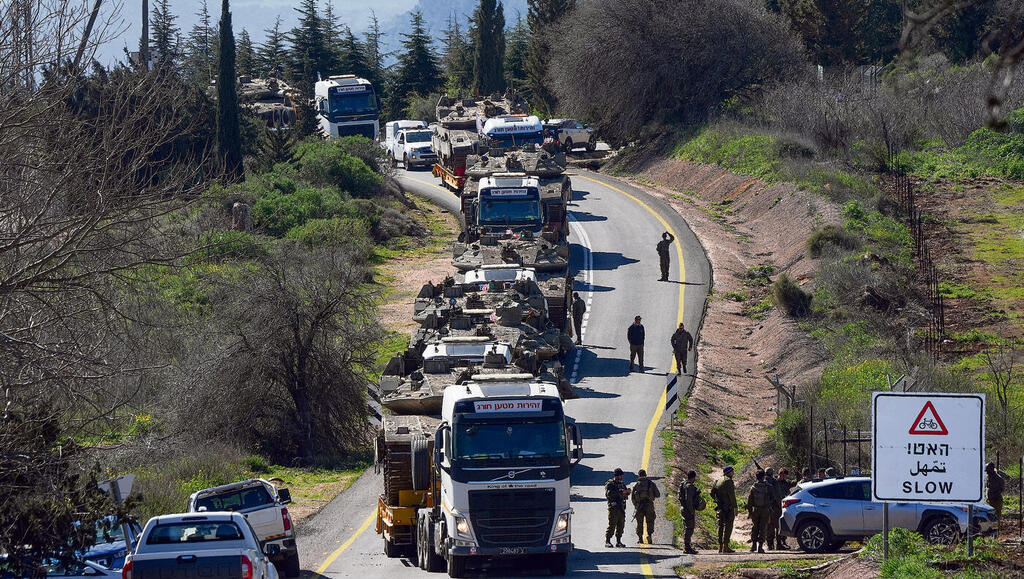
IDF forces in northern Israel
(Photo: Efi Sharir)
Residents say they support the IDF and understand that the heavy fire is meant to secure safety and quiet in the future. But they are asking for consideration and expect the military to make every effort to allow some form of normal life, even under Hezbollah threats and in an area the government has declared will no longer be evacuated.
Not far away, in Kiryat Shmona, Alin Ben Shitrit is trying to endure inside a home that shakes from artillery fire and the helicopters passing overhead. IDF defensive and offensive batteries have also been deployed near the city, and at times they seem parked in residents’ backyards.
In a city where about 30% of residents have not returned and about 40% of small businesses have shut down permanently, the sense of siege feels physical.
“The dog is in anxiety, and we can’t sleep with this noise,” Ben Shitrit said. “Last week I lay on the floor hugging the dog, and the whole house shook. In the neighborhood above mine, shell casings from combat helicopters flying over us are falling into my friend’s yard. What drives people insane is this noise, the artillery batteries, the armor and the helicopter fire over our heads.”
Ben Shitrit, who cares for her disabled husband, cannot afford to run to the neighborhood shelter. When the sirens sound along with the whistle of incoming barrages, she says she prays for a miracle.
“I don’t leave the house. My husband is disabled and cannot move, so I am not going to leave him here and run to the shelter,” she said.
The reality is pushing them to the brink.
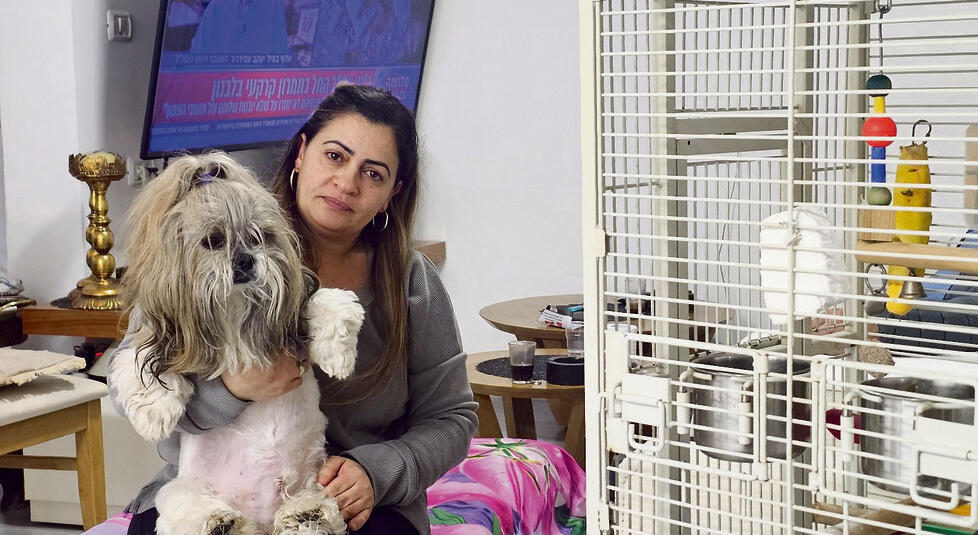
Alin Ben Shitrit
“We are being treated with medication. Look what state we have reached,” she said. “I am willing to endure the war, but they need to finish them off once and for all.”
Yanai Menachem was also evacuated in the past with his parents and siblings to Kibbutz Ein Gev. When the evacuation ended, exactly a year ago, they returned home to Kiryat Shmona.
“This is actually the first time in 20 years that we are experiencing Iron Dome and artillery and gunfire here on the border,” he said. “The force of these batteries is impossible to describe. I understand this fire is for our sake, and we should be grateful for what the IDF is doing, but this reality is impossible to describe. A lot of people left Kiryat Shmona and did not return, and I think this war will encourage another wave of departures because people feel abandoned. Who wants to raise children in a reality like this?”
As fighting in the north advanced and the first line of villages in southern Lebanon was captured and cleared of enemy forces, the IDF moved artillery and armored batteries beyond the border, reducing the noise of the artillery.
Residents say that under the unwritten contract between civilians and the military, the one in which the public gives the army backing and the spirit to act and restore security, the IDF must understand that civilian resilience on the home front is the most important factor in sustaining the effort over time. As more sleepless nights and days of constant explosions pass, they say, resilience is steadily eroding.
They are asking at the very least for recognition that this time the combat zone is already populated, and that the military should take residents into account when choosing where to place firing batteries, which ones to use and at what hours, subject, of course, to operational necessity.
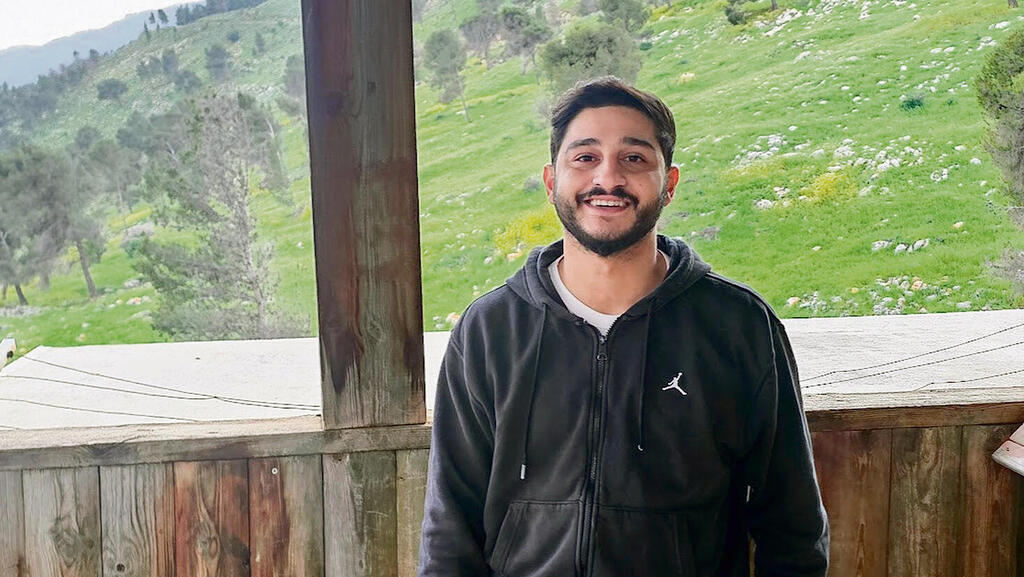
Yanai Menachem
“We came back after being promised a completely different reality, that Hezbollah would no longer be on the fence, and reality is showing something entirely different,” Menachem said wearily.
Their conversation is repeatedly interrupted by explosions, and toward evening, the combat helicopters arrive again.
“These explosions are proof of failure,” he said. “A lot of people left Kiryat Shmona and did not return, and I think this war will encourage another wave of departures because people feel abandoned. Who wants to raise children in a reality like this?”
Kiryat Shmona Mayor Avichai Stern described similar feelings.
“In all the wars we have had, artillery batteries were never placed inside Kiryat Shmona, only right on the border fence,” he said. “It harms resilience. Residents are in a situation of zero warning time, and every boom sends them running to the shelter. It is unbearable, even more than Hezbollah’s attacks, and it also turns us into a target.”
The IDF Spokesperson’s Unit said in response: “The deployment of batteries is determined solely according to operational considerations and needs, in coordination with the Home Front Command. The IDF is aware of the intensity of the noise caused by battery fire and the significant hardship this causes residents. The IDF is acting as much as possible to balance operational needs with residents’ welfare.”