


The year 2025 was one of the deadliest ever recorded on Israel’s roads, setting a 19-year high in traffic fatalities with 455 deaths. According to a comprehensive analysis by the National Road Safety Authority (NRSA), this represents an increase of about 18% compared to the 2022–2024 average.
Last year, 439 people were killed on the roads, a figure similar to 2006. This year, the toll rose by another 16 fatalities. According to the NRSA report, the increase was broad-based across nearly all categories: 139 people were killed this year in private vehicles, 15% more than the three-year average. The 25–44 age group led the fatalities with 134 deaths, a 37% jump compared to the average.
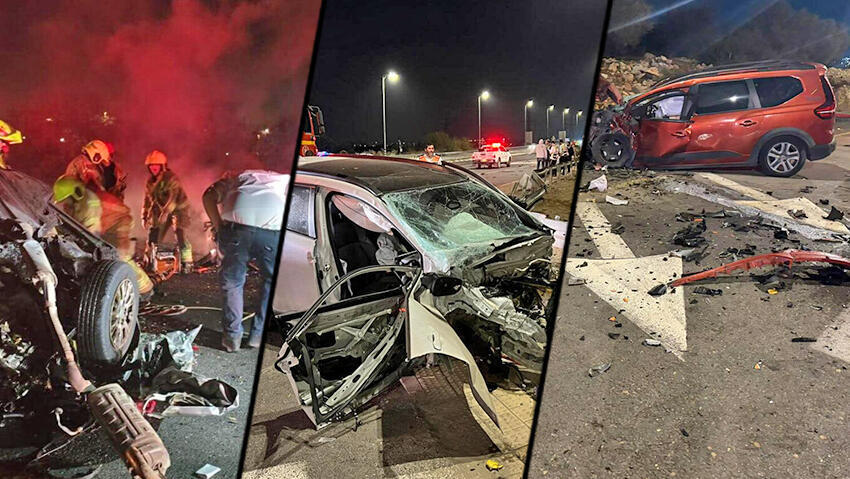
The picture among pedestrians is among the most troubling findings in the report. Of the 121 pedestrians killed this year, 83 were killed on urban roads, 34 on intercity roads and four off-road. In other words, about 69% of pedestrian fatalities occurred within city limits. The number of deaths on intercity roads rose by 25%, underscoring the need to boost safety measures outside urban areas as well.
The report also highlights sharp disparities by social sector. In the Arab community, 152 people were killed this year, a 23% increase over the average. Beyond the absolute numbers, the level of risk stands out: the fatality rate in the Arab community was 7.2 per 100,000 residents, compared with 3.7 in the Jewish population, nearly double the risk.
The data show that the gap exists across almost all age groups. Among toddlers and children aged 0–4, Arab children faced a risk of dying in traffic accidents 8.5 times higher than Jewish children. Among those aged 15–19, the risk was 3.2 times higher, and among ages 25–44 it was 3.3 times higher.
A breakdown by age group also points to clear trends. Among young drivers, there was an increase: 161 young drivers were involved in fatal crashes, and 151 people were killed in accidents involving young drivers, a 17% rise compared with the three-year average. Of these, 65 were aged 20–24.
Transportation Minister Miri Regev
(Photo: Shilo Shalom)
In the 25–44 age group, the increase was even sharper, with 134 fatalities compared to an average of 98 in 2022–2024. Among those aged 65 and over, 100 people were killed this year, a 22% increase. By contrast, among children aged 0–4, there was a decline to 10 fatalities, compared with an average of 14 in the previous three years.
The breakdown by road type adds another important layer. A total of 268 people were killed on intercity roads, compared with an average of 228 in recent years. On urban roads, 174 people were killed, up from an average of 150. The number of fatalities off-road also rose to 13, compared with an average of six.
The report also shows that most fatal accidents occur in the afternoon, mainly around 4 p.m., and particularly on Tuesdays and Wednesdays.
The list of the most common offenses that directly contributed to fatal and severe accidents remained largely unchanged this year: 346 cases of failure to yield to pedestrians, 313 cases of running red lights, 261 cases of unsafe lane changes, and 231 cases of failure to maintain a safe distance. Harsher penalties for these offenses are currently being discussed at the Justice and Transportation ministries.
NRSA Director General Gilad Cohen said that alongside the grim data, there were also early signs of change. “2025 was a difficult year for road safety,” he said. “The accident and casualty figures reflect a complex and severe reality built over years of infrastructure gaps, erosion in enforcement and a deterioration in driving behavior. These are figures that demand direct and professional action.”

National Road Safety Authority director Gilad Cohen
(Photo: Yariv Katz)
At the same time, he said, “2025 also marks a turning point. During the year, an integrated enforcement program was launched with the police traffic division, with a budget of 50 million shekels, aimed at curbing dangerous trends by strengthening police presence, focusing on life-threatening offenses and data-driven enforcement at high-risk locations, alongside public awareness efforts to change driving culture.
“In parallel, the transportation minister approved and budgeted the multi-year national road safety program at 350 million shekels per year, based on the principles of the Safe System. The year 2026 will be marked by the full and gradual implementation of both initiatives, driven by a single commitment: protecting human life and reducing the carnage on the roads,” according Cohen.
The new national plan to reduce traffic fatalities, expected to be included in the upcoming state budget, is seen by professionals as a central pillar in efforts to halt the trend. It aims to cut the number of deaths by 25% within five years and by 50% within a decade.
However, past governments have struggled to sustain funding for such programs. Even if the budget is approved for the coming year, it does not guarantee allocations in subsequent years. As a result, even if there is an improvement and the number of fatalities drops this year, the state should not wait until hundreds more families are shattered before making further decisions on funding efforts to combat this national scourge.