

A 29-second video filmed last Friday revealed a rare and striking glimpse of the new Palestinian security forces operating in the Gaza Strip.
In footage shot on a mobile phone in broad daylight, the commander of the Abu Shabab Rafah militia, Rassan al-Dheini, is seen humiliating a Hamas company commander he had just arrested.
Rassan al-Dheini with a captured Hamas commander


Al-Dheini is dressed in camouflage fatigues and wearing a modern Western ceramic body armor vest. The Hamas commander, described as relatively older and emaciated, is nearly naked, sitting quietly on the cold ground between al-Dheini’s legs as he absorbs a sharp slap to the face. In his other hand, the militia officer holds a cigarette, now a rare and expensive commodity in Gaza. Behind them are two new black pickup trucks belonging to the emerging Gazan force, and several hundred meters away stands what appears to be a fortified post.
At roughly the same time, the Israel Defense Forces spokesperson issued what sounded like a routine statement: “Following the identification of nine terrorists emerging from a tunnel in eastern Rafah overnight, three were eliminated. After searches in the area, one terrorist was arrested while attempting to flee and hide.”

Even before the killing of its previous leader, Yasser Abu Shabab, this militia was the only group that dared to operate so openly, projecting confidence through provocative videos against Hamas and recruitment ads on social media offering “paid work funded by Israel.” Abu Shabab was later killed, despite efforts to save him at an Israeli hospital. His successor, al-Dheini, who according to Palestinian reports was also recently wounded, was heard in another video threatening Hamas: “Dogs of Hamas, we will storm houses and drag people out. We will attack with force. If you remain as you are, nothing will be left of you. You have been warned. We seize you like kittens.”
Risk of blowback
According to foreign reports, Israel is arming these militias with rifles and ammunition. In many ways, the situation echoes the 1990s during the Oslo Accords, when Israeli governments faced fierce opposition over supplying weapons to Palestinian forces under the slogan “Do not give them guns.”
Years later, those weapons were turned against Israel by Fatah and Tanzim gunmen during the Second Intifada, transforming the slogan into a bitter refrain. Going back even further, memories of the Sabra and Shatila massacre during the First Lebanon War still loom large. There, militias backed by Israel slaughtered hundreds of Palestinians, triggering global outrage and accusations against Israel and the IDF.
Despite that history, few voices in the political system, especially on the right, appear willing today to demand that the government refrain from arming Palestinian groups in Gaza.

Hamas terrorists
(Photo: Hatem Khaled/ Reuters)
A report in The Wall Street Journal earlier this week, citing reserve officers, said Israel is expanding its investment in Palestinian militias opposed to Hamas. The support reportedly includes weapons, military equipment, medical treatment in Israeli hospitals, and assistance to the families of thousands of militia members. Some groups, such as those in Khan Younis or northern Gaza, are linked to the Palestinian Authority. Others, particularly in Rafah, are described as having extensive criminal backgrounds.
Israeli supplies to Gaza clans reportedly include fuel, food, vehicles and even cigarettes. The aid allows these groups to operate and entrench themselves within the so-called yellow line zone between IDF positions, in close proximity to Israeli troops. The cost of this support is estimated at tens of millions of shekels from Israel’s defense budget.
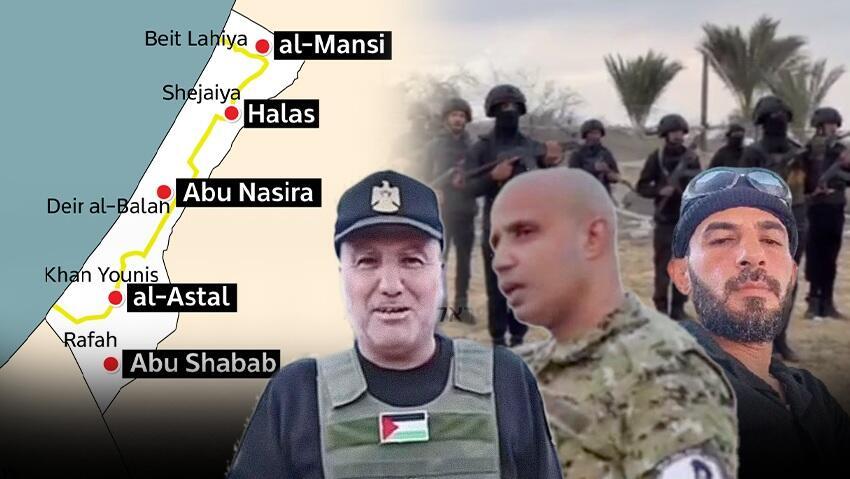
Gaza militias
If the report is accurate, the initiative is already sparking internal disagreements. Supporters argue that tactically, the armed Palestinians carry out missions that assist Israel’s security establishment and reduce risks to IDF soldiers. Critics counter that strategically, the danger of reversal is real. None of the militias has become pro-Israel or abandoned Palestinian national ambitions.
There is also practical criticism. The militias have not unified under a single organizational umbrella capable of truly challenging Hamas or its military wing. As a result, analysts say they are unlikely to replace Hamas, which is regaining strength and tightening its grip during the cease-fire period.
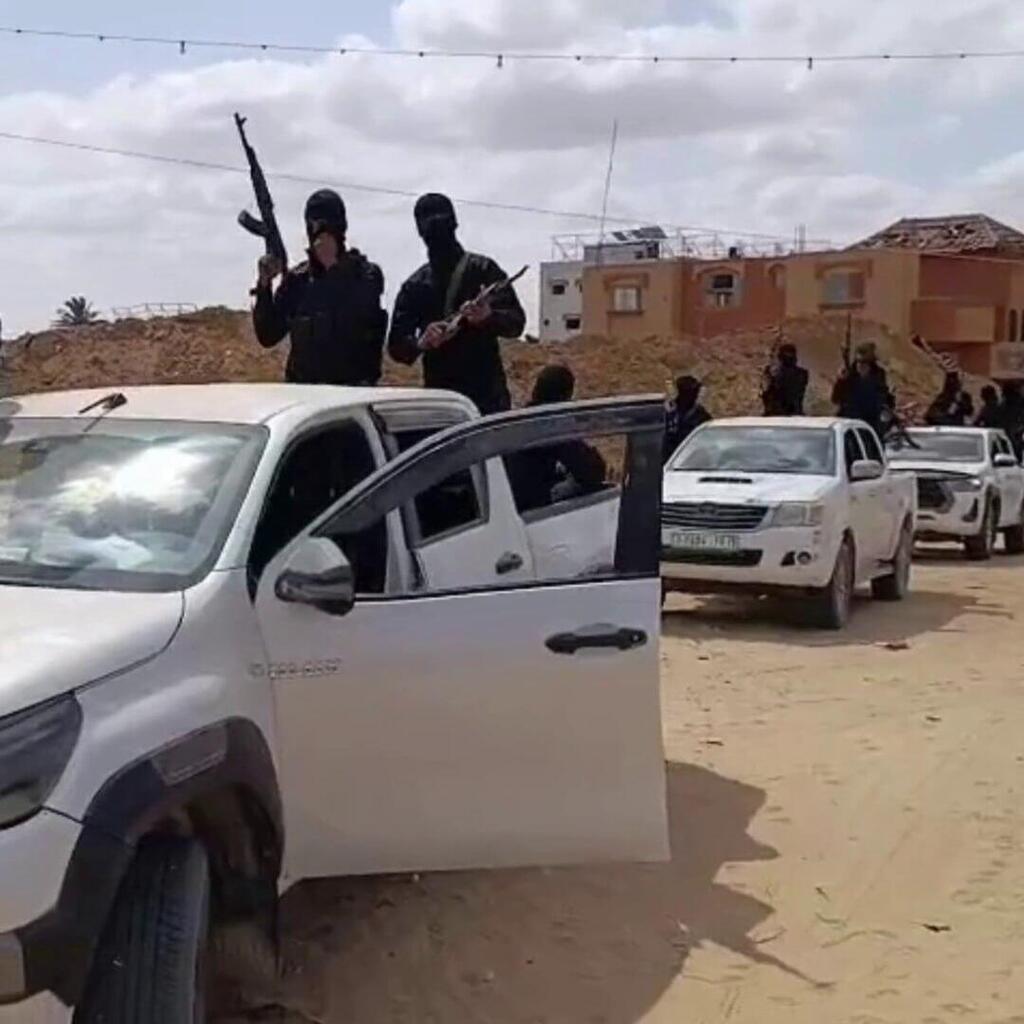
al-Astal
(Photo: Sky News)
‘An explosive project with many problems’
Assuming the reporting is correct, the militias operate without a formal framework beyond the oversight of the IDF and the Shin Bet. As a short-term tactical measure, they could be sent to search for Hamas terrorists in tunnels or rubble near IDF positions, or to detain suspects sent toward Israeli lines, reducing risks to soldiers.
But without a central command structure, assessments suggest they have little chance of supplanting a resurgent Hamas.
A source familiar with conditions in Gaza said the clans are fragmented. “In Rafah, they are more criminal and motivated by money. In central Gaza, they are more Palestinian nationalist. Even if the report is accurate, there is no guarantee they will not one day turn against Israel or at least demand some form of self-rule,” the source said. “Strategically, this explosive project has many long-term problems. Hamas is currently focused on hunting down clan members and executing them as collaborators.”
The Wall Street Journal reported that Israel closely monitors the militias’ activities and has intervened on several occasions to extract them from danger. A reserve soldier told the newspaper he accompanied an aid convoy to a Rafah militia during the summer. The operation took place once a week, late at night, with vehicle lights turned off.