

U.S. President Donald Trump is considering a military operation to seize Iran’s enriched uranium, the Wall Street Journal reported Sunday, in what would be a complex and risky mission likely requiring American forces to operate inside Iran for days or longer.
According to the report, Trump has not decided whether to authorize such an operation. U.S. officials told the Journal that Trump is weighing the risks to U.S. forces, but remains open to the option because of his long-running goal of preventing Iran from obtaining a nuclear weapon.
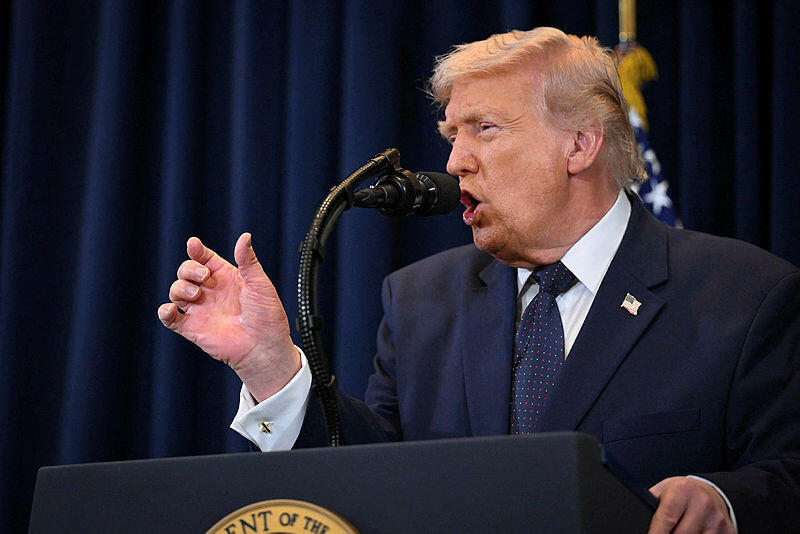
The report said Trump is also pushing for a diplomatic outcome in which Iran would hand over the uranium as part of a settlement. A person familiar with his thinking told the newspaper that Trump has made clear to advisers and political allies that Tehran cannot be allowed to retain the material and has raised the possibility of taking it by force if Iran refuses to surrender it in talks.
Pakistan, Turkey and Egypt have been acting as intermediaries between Washington and Tehran, though direct negotiations between the two sides have not yet begun.
Meanwhile, Washington is weighing broader military and strategic options in Iran. In an interview with the Financial Times published Sunday, Trump said he wants to “take the oil in Iran” and suggested the United States could seize Kharg Island, the country’s main oil export hub.
White House press secretary Karoline Leavitt said Pentagon planning should not be interpreted as proof that Trump has made a final decision. The Journal quoted her as saying the military’s role is to provide the president with options. The Pentagon did not comment, and a spokesman for U.S. Central Command also declined comment, according to the report.
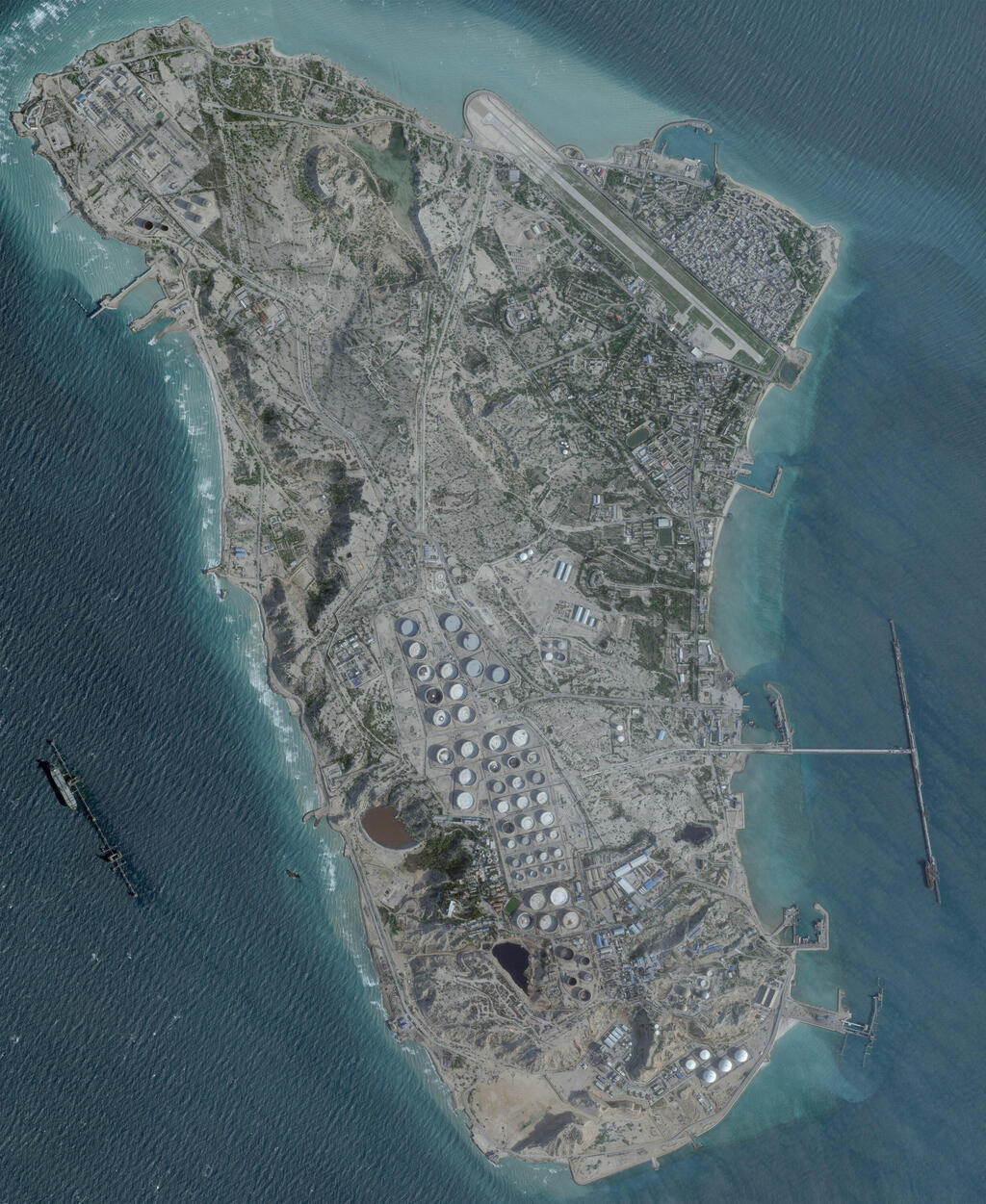
The oil terminal on Kharg Island
(Photo: 2026 Planet Labs PBC/Handout via REUTERS)
Before Israeli and U.S. strikes on Iran in June last year, Iran was believed to hold more than 400 kilograms of uranium enriched to 60%, along with nearly 200 kilograms enriched to 20%. International Atomic Energy Agency chief Rafael Grossi has said he believes most of the material is located at two of the sites hit in those attacks: an underground facility in Isfahan and a stockpile at Natanz.
According to the Journal, Trump and some of his allies believe the uranium could be removed in a limited mission that would not dramatically prolong the war. But former U.S. military officials and other experts told the newspaper that any such operation would be highly dangerous, could trigger Iranian retaliation and might expand the conflict beyond the timeline the administration has publicly outlined.
Rather than focusing only on airstrikes, such an operation could require U.S. forces to secure nuclear sites, protect engineering teams and remove radioactive material under combat conditions. Experts cited by the report said the uranium is likely stored in dozens of specialized containers and that moving it safely could take days or even a week.
Retired Gen. Joseph Votel, the former commander of U.S. Central Command and U.S. Special Operations Command, told the Journal that this would not be a quick raid. The report also cited Richard Nephew, a former U.S. negotiator with Iran, as saying the material would likely require multiple trucks and specialized transport equipment.
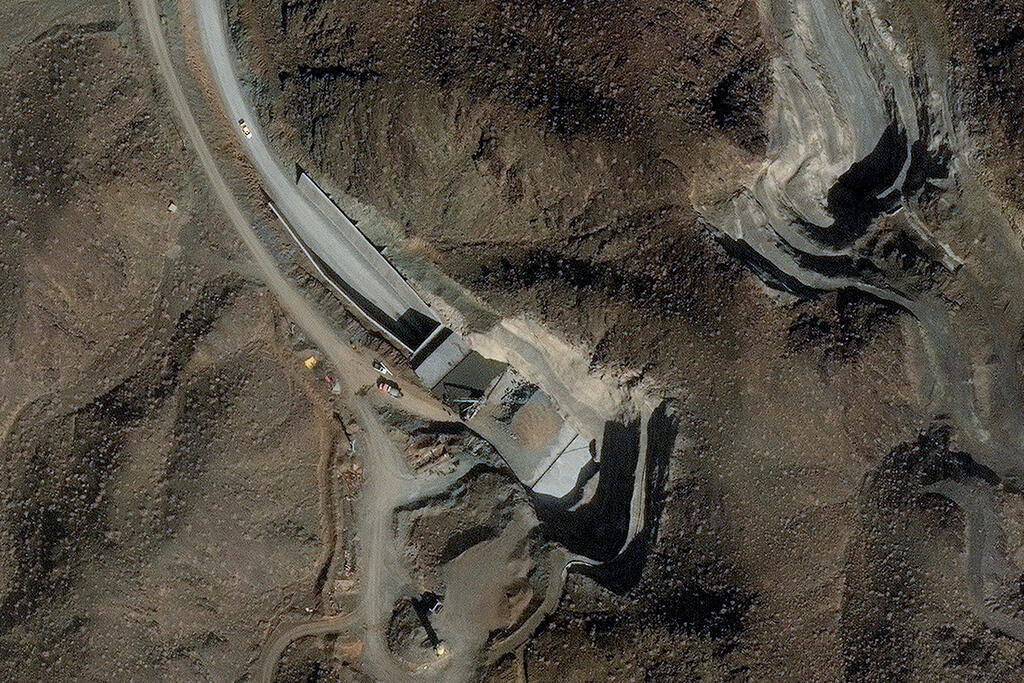
The nuclear facility at Natanz
(Photo: 2026 Planet Labs PBC and Vantor/Handout via REUTERS)
The Journal noted that Washington has carried out similar transfers before under peaceful circumstances, including the removal of uranium from Kazakhstan in 1994 and a later joint U.S.-British operation involving material from Georgia. In this case, however, any transfer would take place against the backdrop of an ongoing war.
Trump has publicly left open both military and diplomatic tracks. He urged Iran to dismantle its nuclear program through negotiations, while Secretary of State Marco Rubio said last week that the United States could achieve its objectives without deploying ground troops.
At the same time, the U.S. military is said to be preparing additional options if Trump gives the order. Those preparations include positioning Marine rapid-response forces and paratroopers from the Army’s 82nd Airborne Division in the region, as well as examining scenarios involving strategic sites off Iran’s southern coast. The Pentagon is considering sending thousands more troops to expand the president’s options.
Defense Secretary Pete Hegseth also signaled earlier this month that Washington has military alternatives if Tehran refuses to give up the uranium. He said the administration has “a range of options” and made clear the White House remains focused on Iran’s nuclear capabilities.
The question now is whether Trump will keep pressing for a deal, or decide that removing the uranium by force is the only way to ensure Iran cannot rebuild from what remains of its nuclear program.