

At least 101 sailors were reported missing and 78 wounded, including 32 seriously, after a submarine attack on an Iranian naval vessel off Sri Lanka’s coast, Sri Lanka’s military said Wednesday. U.S. Secretary of War Pete Hegseth later confirmed that a U.S. submarine sank the warship.
The Sri Lankan navy dispatched a rescue mission after receiving a distress call from the Iranian ship, a Defense Ministry spokesperson told Reuters earlier. The vessel was carrying 180 crew members at the time of the attack, the military said.
Gallery
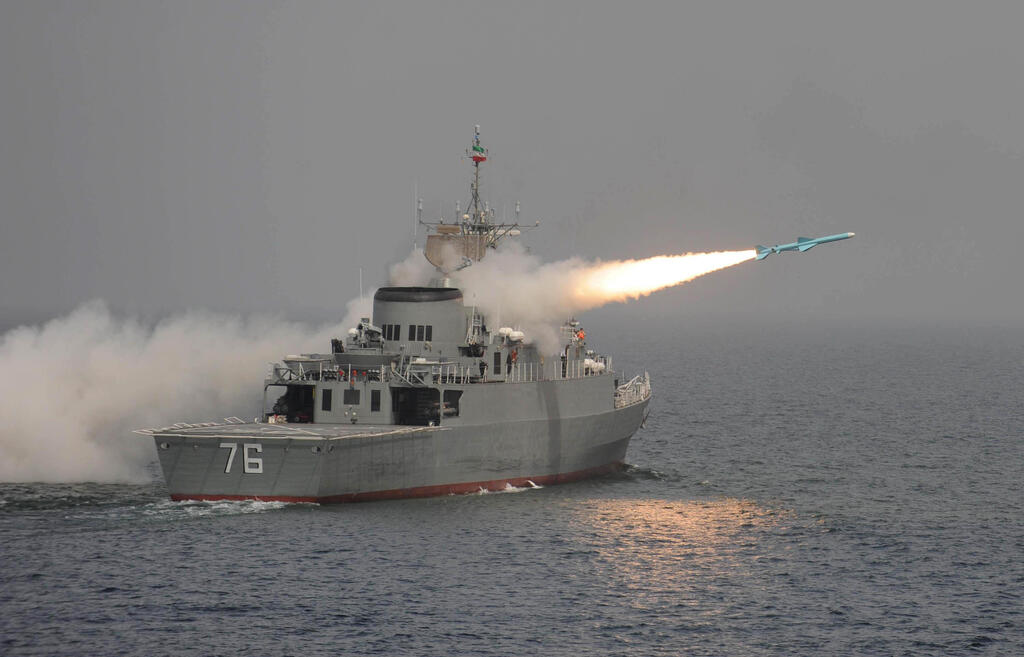
Launch of a Qader missile from an Iranian Navy vessel in the Gulf of Oman during an Iranian military exercise
(Photo: AFP / IRANIAN ARMY OFFICE)
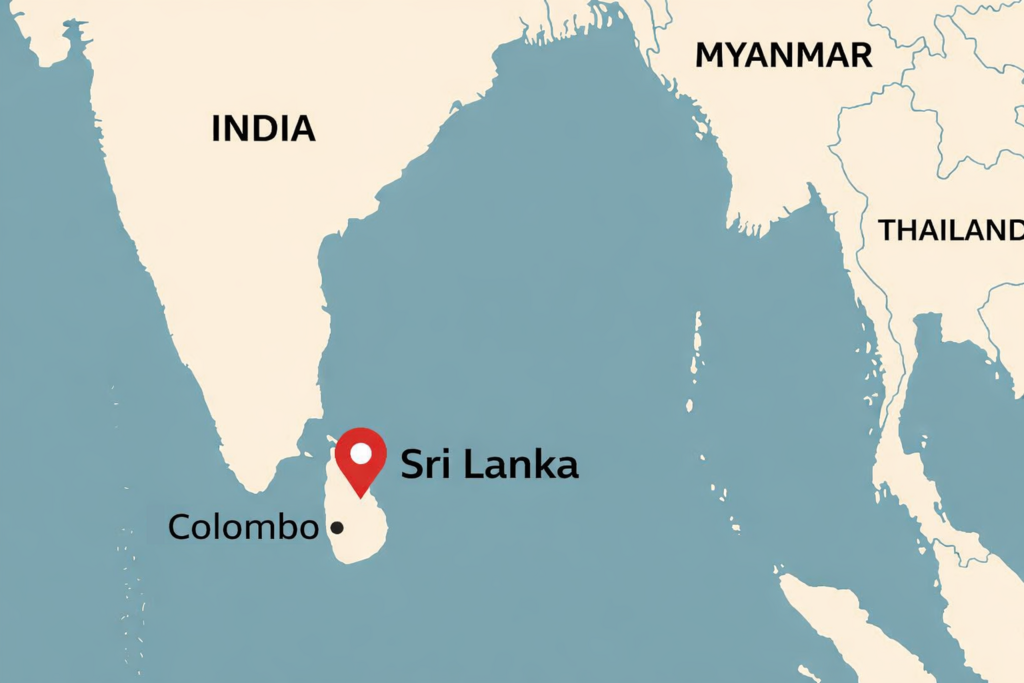
Sri Lanka’s military has rescued at least 30 people from the sinking vessel in waters near the country, Foreign Minister Vijitha Herath told Parliament. He did not provide further details but said Sri Lanka would take appropriate action.
Local media reported that the ship — identified as the IRIS Dena, a Moudge-class frigate belonging to Iran’s southern fleet — sent its distress signal off the southern coast near the city of Galle.
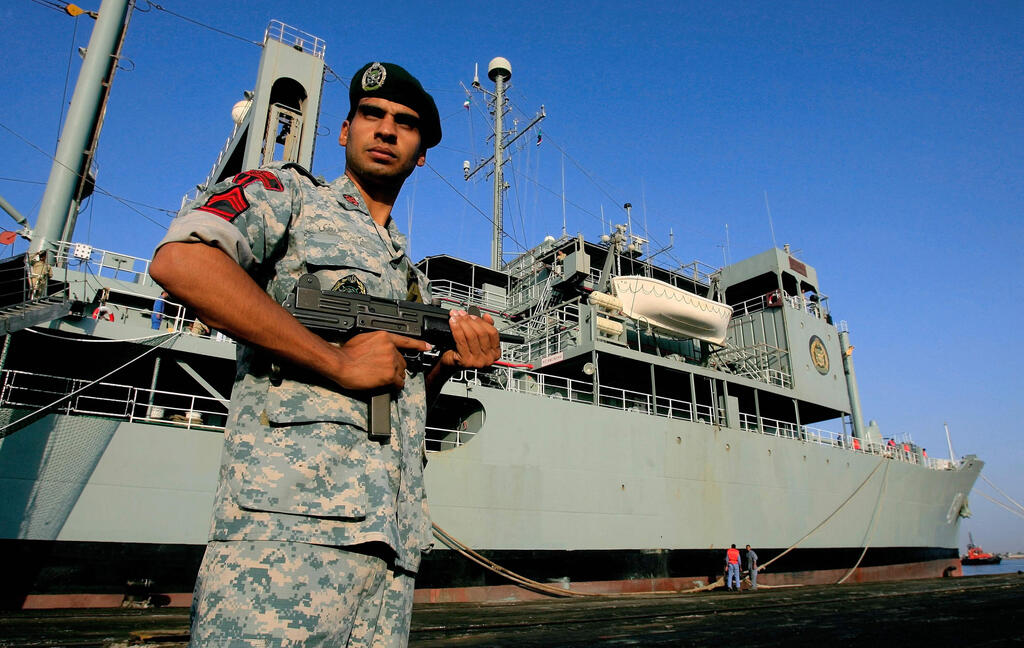
(Photo: AFP)
According to Sri Lanka’s Defense Ministry, local forces evacuated dozens of wounded crew members to a hospital in Galle.
The incident comes after U.S. officials reported repeated American strikes in recent days against Iran’s navy. U.S. President Donald Trump said earlier this week that American forces had sunk 10 Iranian vessels, though he did not specify where.

An ambulance enters Sri Lanka's southern naval head quarters in Galle on March 4, 2026, to pick up Iranian sailors rescued from Iranian frigate Iris Dena that was sunk off their island earlier in the day
(Photo: AFP)
The U.S. operations follow Iran’s announcement that it would effectively close the Strait of Hormuz, the world’s most important oil shipping route, through which roughly one-fifth of global oil supply — about 21 million barrels per day — passes.
Iran said it would attack and set ablaze any vessel attempting to transit the strait, in a move seen as an effort to further disrupt global energy markets and pressure Washington to halt the war.
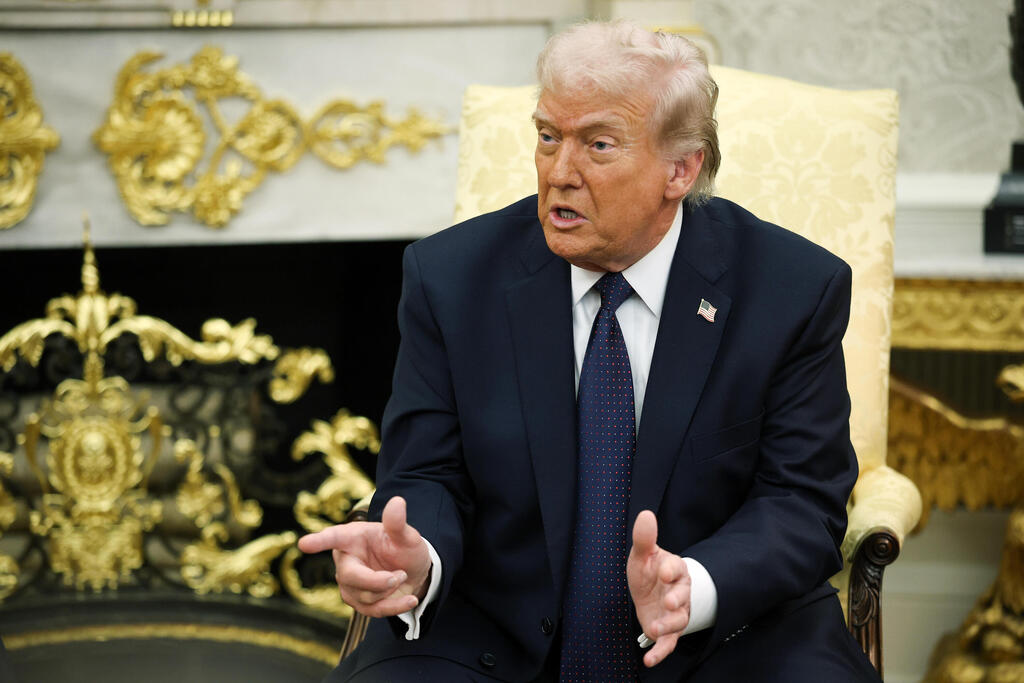
US President Donald Trump
(Photo: Win McNamee/Getty Images)
In response to Iran’s threats, Trump said he had directed the U.S. International Development Finance Corporation to immediately provide shipping companies with insurance at what he described as "a very reasonable price" for maritime trade, particularly energy shipments transiting the Persian Gulf. He also said that, if necessary, the U.S. Navy would begin escorting tankers through the Strait of Hormuz as soon as possible to protect them from Iranian attacks.
“No matter what, the United States will ensure the FREE FLOW of ENERGY to the WORLD,” Trump said on social media, adding that further actions were forthcoming.