

The United States has temporarily eased sanctions on Russia in an effort to address soaring oil prices, allowing countries to purchase Russian oil and petroleum products currently aboard tankers at sea despite existing sanctions. The move is aimed at limiting the economic impact of the war with Iran.
US Treasury Secretary Scott Bessent said the step is temporary and intended to "promote stability in global energy markets during the war." The authorization will remain in effect until April 11. "This targeted step applies only to oil already in transit at sea and will not provide a significant financial advantage to the Russian government," Bessent said.
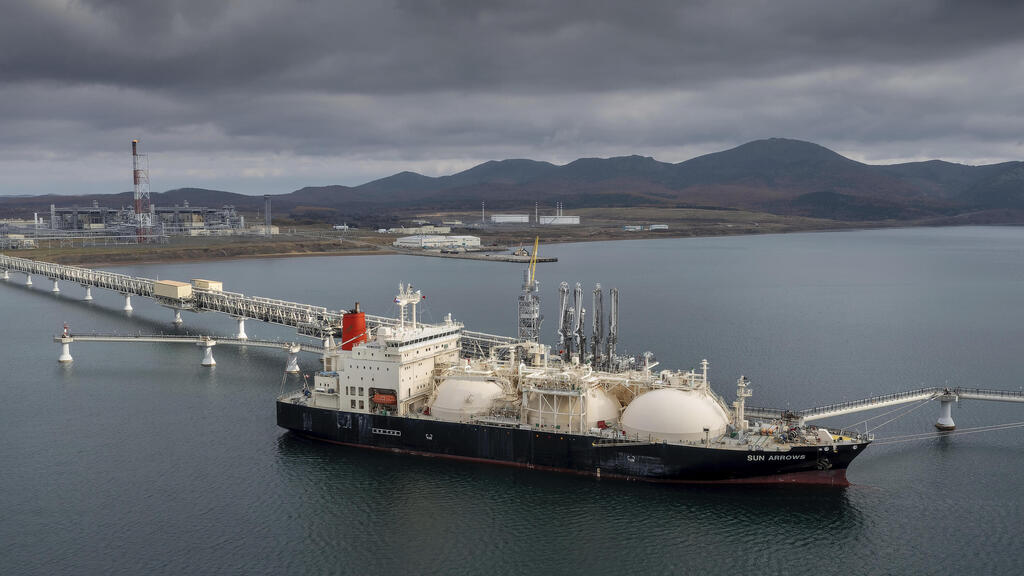
Attacks on ships and energy infrastructure in the Gulf, along with the effective closure of the Strait of Hormuz, have shaken global energy markets. Oil prices rose again yesterday to above $100 a barrel after three additional cargo vessels were hit in the Gulf. The increase also came after a message from Iran’s new supreme leader, Mojtaba Khamenei, who vowed to continue blocking the Strait of Hormuz, through which about one-fifth of the world’s oil passes.
"The temporary rise in oil prices is a short-term disruption that will ultimately bring enormous benefits to our nation and our economy," Bessent said. Earlier, he said the US government would begin escorting ships through the Strait of Hormuz with military protection "as soon as it is militarily feasible."
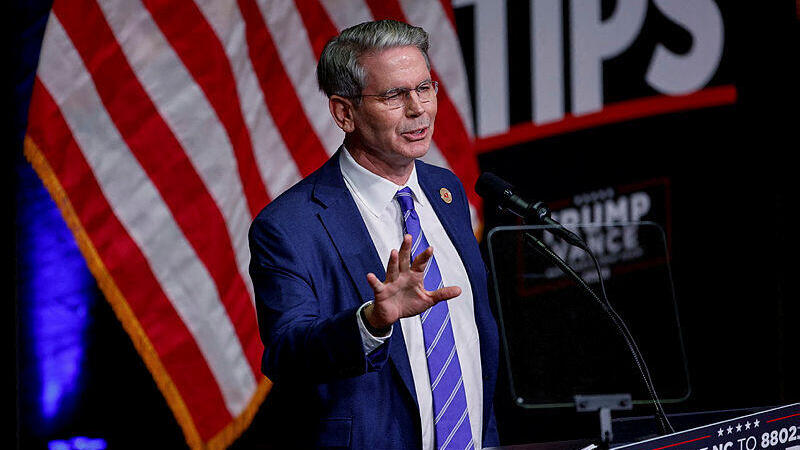
US Treasury Secretary Scott Bessent
(Photo: REUTERS)
On Wednesday, Washington announced it would release 172 million barrels of oil from the US Strategic Petroleum Reserve in an attempt to curb the sharp rise in oil prices. The move is part of a broader commitment by the International Energy Agency, which includes 32 countries, to release a total of 400 million barrels of oil. Fox News reported that about 124 million barrels of Russian oil were currently at sea, spread across roughly 30 locations worldwide.
While the temporary sanctions relief is expected to increase global oil supply, it could complicate Western efforts to curb Russia’s revenue for its war in Ukraine and create tensions between Washington and its allies. European Commission President Ursula von der Leyen said after a call among G7 leaders Wednesday on the war’s impact on energy markets that this is not the time to ease sanctions on Russia.