


Under a veil of secrecy, and about 10 kilometers from the Israeli border, Golani Brigade troops carried out a raid near the Litani River in southern Lebanon.
This time, the target was not the villages closest to the fence. The IDF force pushed toward the northern edge of the "yellow line," deep in the Litani sector, where Hezbollah had built defensive and offensive positions for the day it would be ordered to raid communities in northern Israel.
IDF troops operate in the Litani under fire
(Video: IDF)


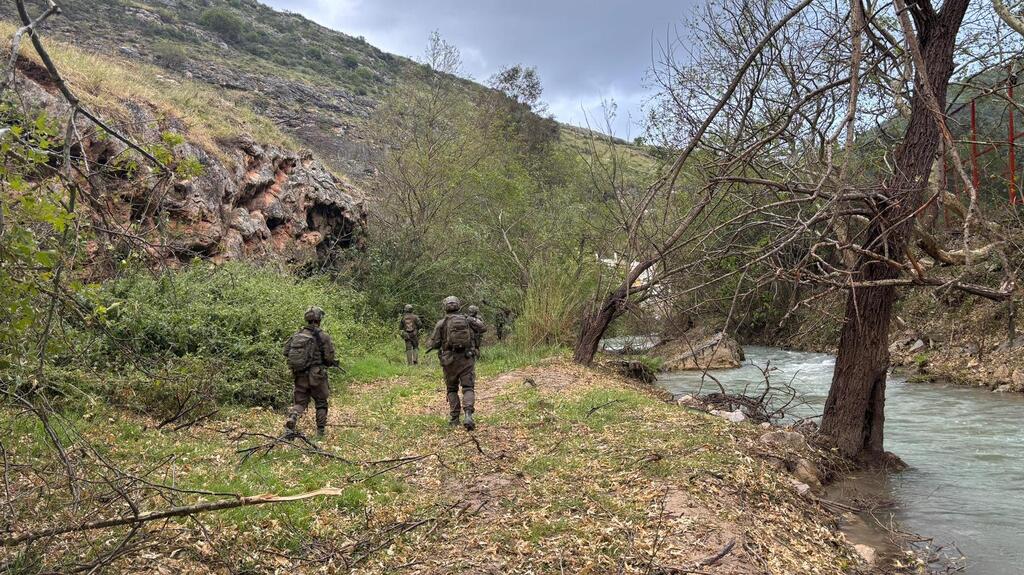
The operation, led by the Golani Reconnaissance Unit and launched about a week ago, saw the troops cross the riverbed and move into the second and third lines of villages. The terrain is steep, tangled and difficult to maneuver through — and in recent years, according to Israeli security officials, it served as a staging ground for planned attacks against Israel.
The entry into the area was anything but smooth.
Before the troops reached the ground, heavy fire was used to "soften" the terrain. Advanced robots were sent in to scan the area. Inside the dense vegetation and thicket, well-equipped Hezbollah fighters were waiting.
Gallery
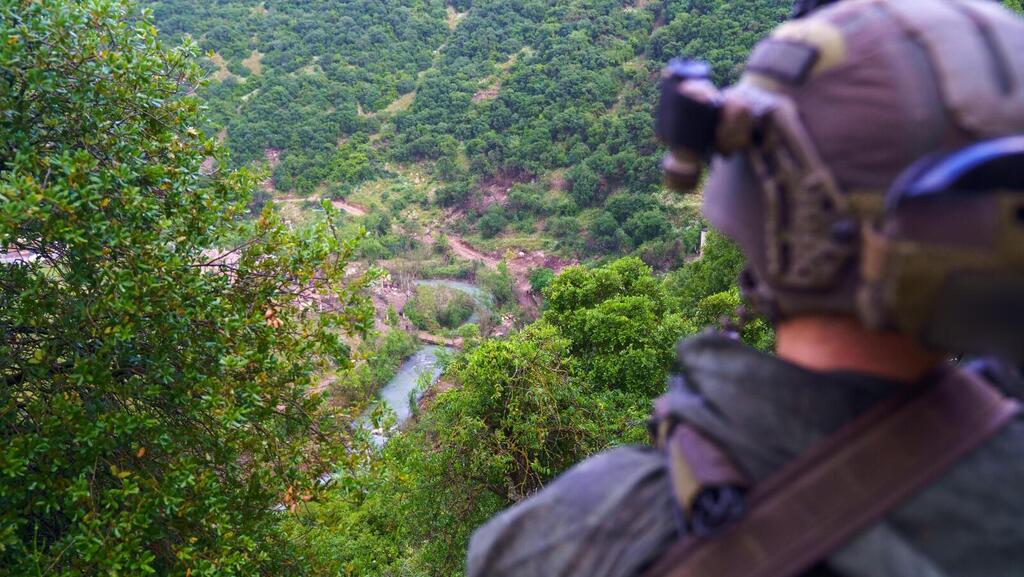
The troops cleared the area and gained control and fire observation over the sector
(Photo: IDF)
For three consecutive days, Golani reconnaissance troops encountered terrorist cells. The fighting took place face to face, at extremely short range.
Security officials said Hezbollah fighters were armed, equipped and familiar with the terrain, but that Golani troops pushed forward and sought contact. By the end of the fighting, 15 terrorists had been killed in the Litani sector alone. Two Golani soldiers were lightly wounded by shrapnel.
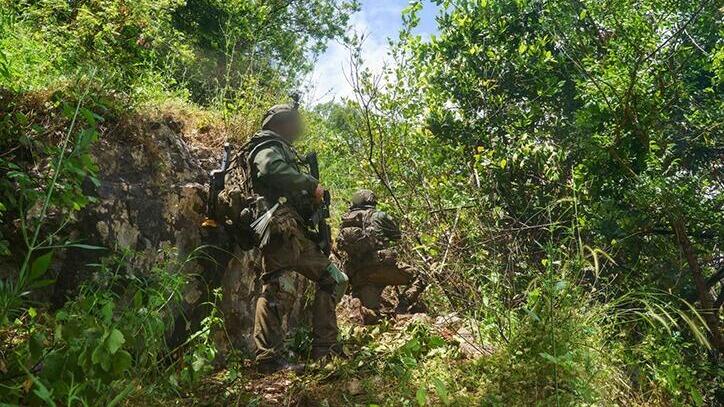
Hezbollah fighters waited for the troops in the dense thicket
(Photo: IDF)
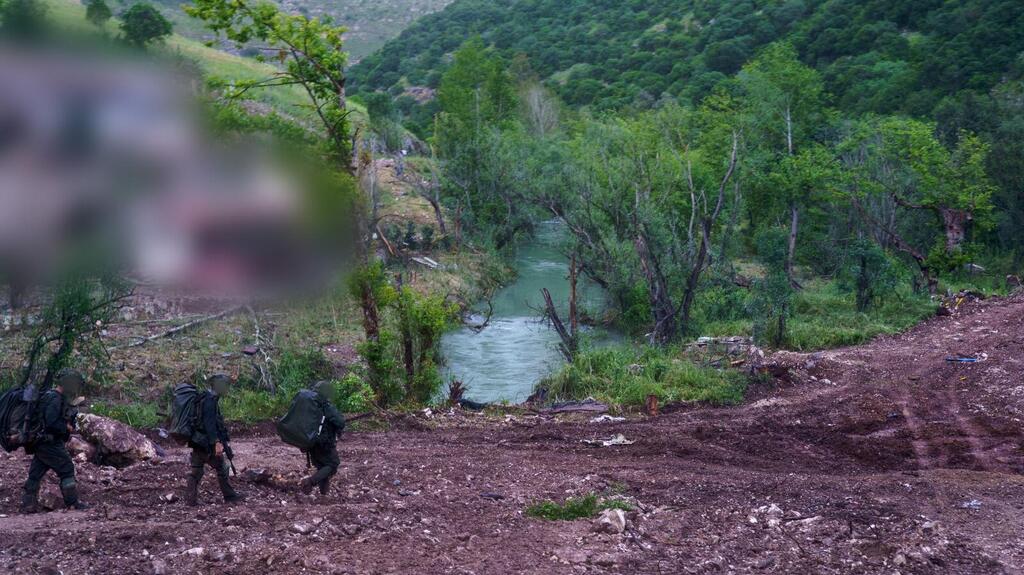
The forces crossed the steep river terrain successfully
(Photo: IDF)
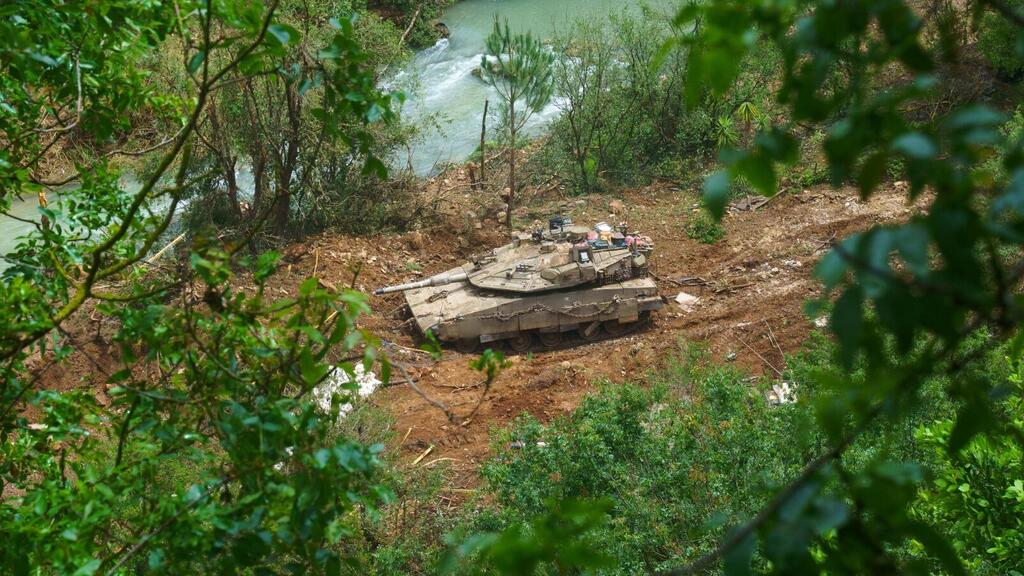
The deep maneuver required the IDF to deploy its heavy Namer armored personnel carriers. The vehicles crossed the steep river terrain, moved through strategic points and brought the troops to key positions from which they could gain control, observation and fire dominance over the area.
After the troops seized the area, the clearing operation began.
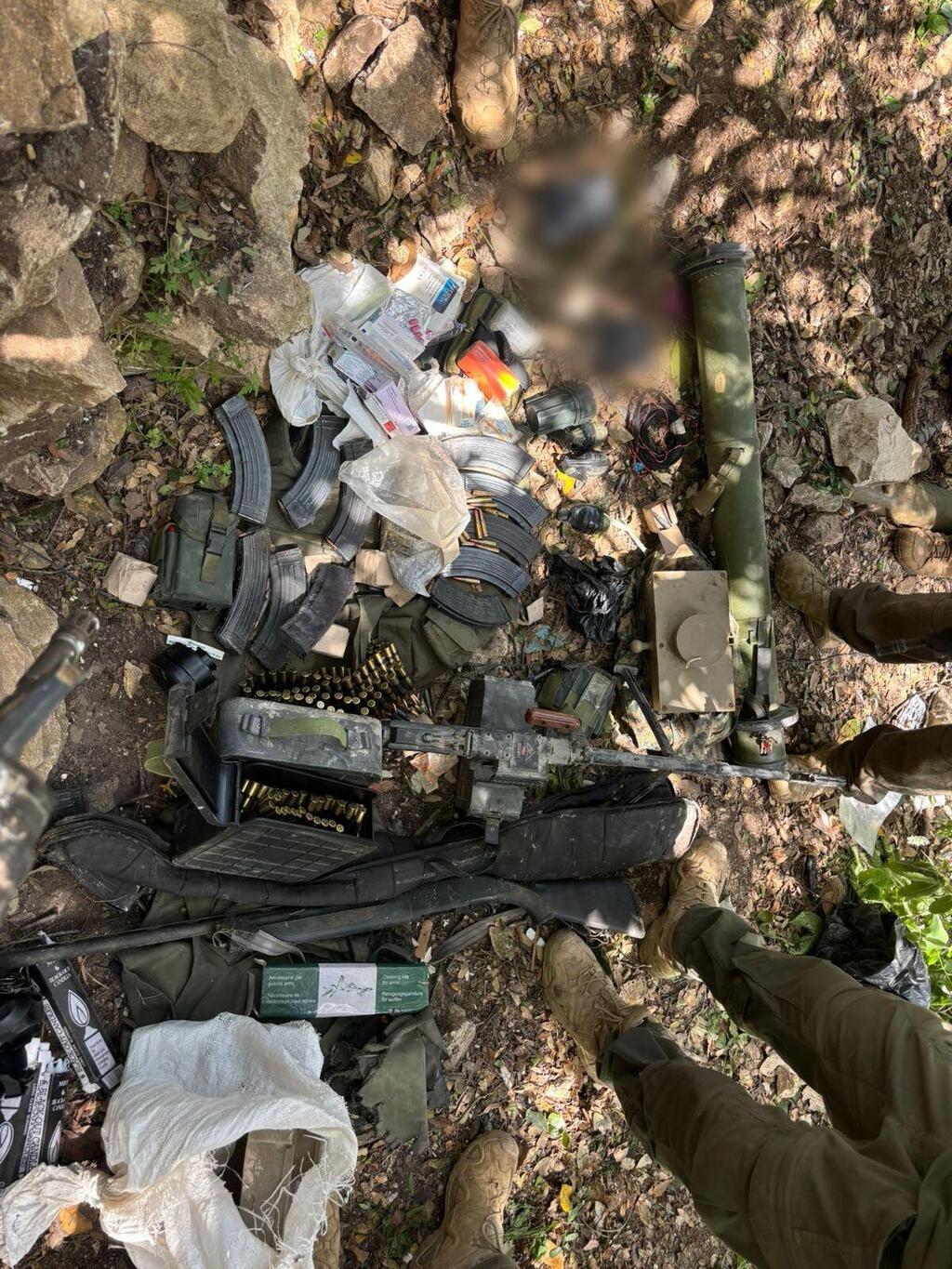
The soldiers uncovered underground infrastructure containing large quantities of weapons and mortars. Tunnel compounds built for prolonged stays — designed to allow Hezbollah fighters to remain close to the border before launching a raid — were destroyed in a thorough engineering operation.
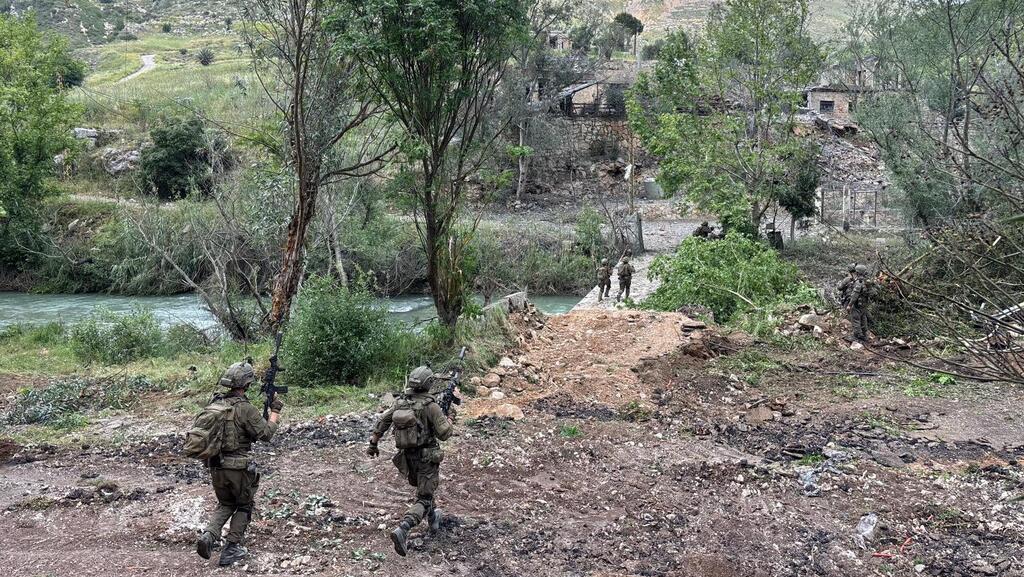
The troops cleared the area and gained control
(Photo: IDF)
(Photo: IDF)
Beyond the direct threat posed by Hezbollah fighters, the troops also faced one of the defining challenges of the current war: explosive drones.
Golani forces were targeted several times by the drones. The IDF acknowledged that they pose a complex threat, and said that changing defensive solutions are being implemented in the field, from stricter operational discipline to technological systems that are being tested and adjusted daily.
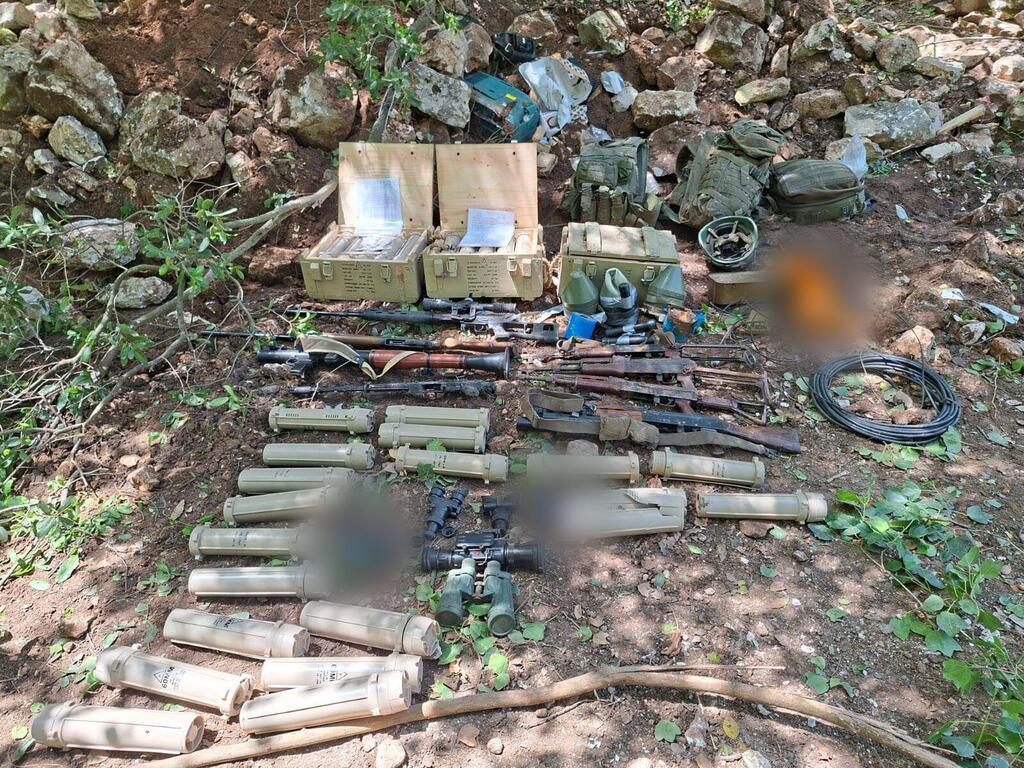
Weapons found by the troops in the Litani sector
(Photo: IDF)
(Photo: IDF)
(Photo: IDF)
Forces from the 36th Division and the Golani Brigade are continuing to hold the deeper line while clearing the area between the Litani and Israeli communities.
During the operation, the troops killed dozens of terrorists and located Hezbollah positions, tunnels containing weapons, storage sites and launchers. The Israeli Air Force supported the ground forces and struck more than 100 targets during the operation.
The raid deep inside the "yellow line" was more than a tactical operation. According to the IDF, it was meant to disrupt Hezbollah’s operational ability to launch a raid into Israeli territory from one of the most difficult and heavily prepared areas in Lebanon.