

Despite the ongoing war and threats exchanged between Washington and Tehran, the United States has approved visas for senior Iranian officials, including President Masoud Pezeshkian and Foreign Minister Abbas Araghchi, to attend next week’s United Nations General Assembly in New York. President Donald Trump is also expected to meet Gulf leaders on the sidelines of the gathering to discuss ideas for the region after the war.
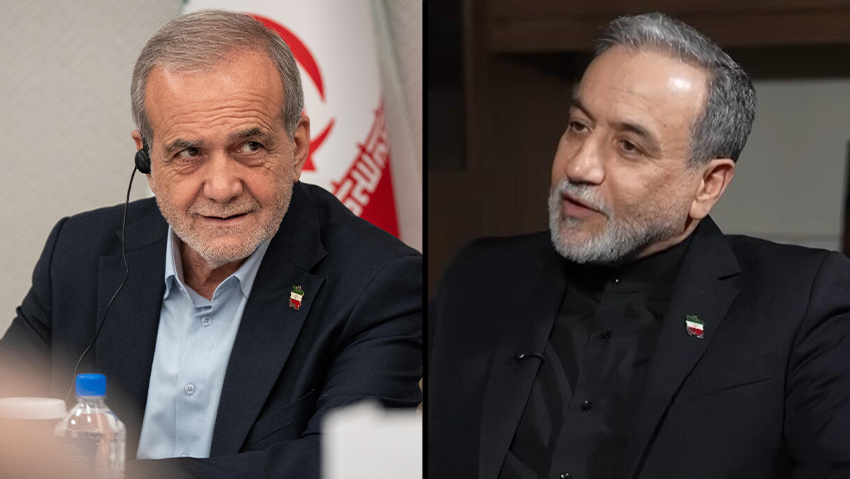
The State Department said visas had been approved for Iran’s “core delegation,” without publicly identifying its members. U.S. officials who spoke to the Associated Press said the delegation includes Pezeshkian and Araghchi, both regarded as more pragmatic figures within the Islamic Republic.
The decision came as the State Department again rejected a visa request from Palestinian Authority President Mahmoud Abbas, also known as Abu Mazen, preventing him from traveling to New York to address the General Assembly. It is the second consecutive year Abbas has been barred from attending in person. He addressed last year’s gathering by video.
The United States, as host country of the United Nations headquarters, is constrained in its ability to prevent foreign leaders from attending General Assembly meetings. However, Washington has previously denied visas or discouraged applications from leaders whose countries were in active conflict with the United States.
At last year’s General Assembly, held before the current Iran war but after U.S. strikes on Iranian nuclear facilities in Operation Midnight Hammer, Washington also issued a limited number of visas to Iranian diplomats while imposing unusually strict restrictions on their movements and purchases.
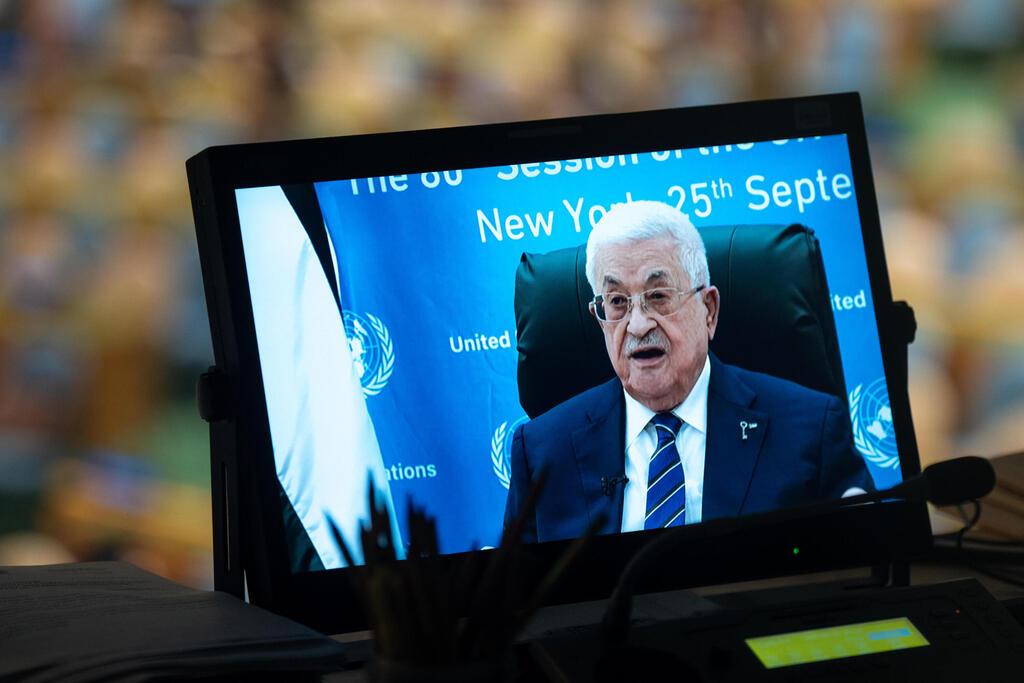
Palestinian Authority President Mahmoud Abbas, also known as Abu Mazen
(Photo: AP Photo/Angelina Katsanis)
Similar restrictions will apply this year. The State Department said Iran’s delegation would be smaller than last year’s and subject to travel restrictions and limits on purchases of luxury and other goods.
The State Department accused the Palestinian Authority of trying to “internationalize” the Israel-Hamas war through proceedings at the International Criminal Court and International Court of Justice, while also citing payments to prisoners held in Israel for attacks on Israelis and what Washington described as the PA’s failure to carry out promised reforms.
The department said accredited members of the permanent Palestinian mission to the United Nations would remain exempt from the restrictions.
In response to a ynet inquiry, the State Department said the Trump administration was maintaining what it described as the highest national-security and public-safety standards in the visa process. It added that the United States takes its obligations under the U.N. Headquarters Agreement seriously, while U.S. law allows the secretary of state to impose restrictions or conditions on the movement of foreign delegations.
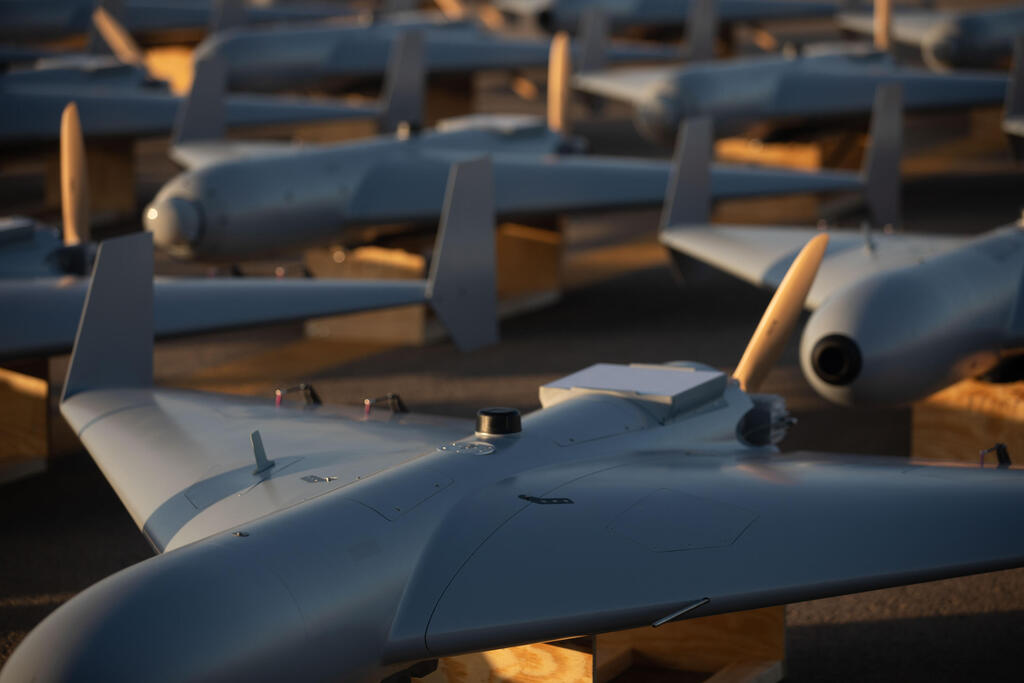
(Photo: CENTCOM)
The Palestinian Authority condemned the decision, saying punitive measures against Palestinian officials do not advance peace or combat violence and instead weaken those committed to a political solution while encouraging forces seeking to undermine a two-state solution.
Reuters reported that the 193-member General Assembly is expected to vote on allowing Abbas to submit a prerecorded address, as it did last year.
Last month, amid expectations that his visa would again be denied, Abbas appealed to Turkish President Recep Tayyip Erdogan to intervene with Trump and seek a reversal, according to reports. The administration was already said at the time to have no intention of changing its position.
The visa decisions come as tensions with Iran remain high. CBS News reported overnight, citing U.S. officials, that Iranian forces had brought down at least two American unmanned aircraft in recent days. The officials said the aircraft were MQ-1 drones, though it remained unclear where they were downed or which variant was involved.
The report came after Iran’s Islamic Revolutionary Guard Corps said it had attacked a Togo-flagged tanker attempting to pass through the Strait of Hormuz. Iranian forces said the vessel caught fire and was forced to stop, while describing its attempted transit as “illegal.”
Trump: ‘I have a big decision coming up’
Earlier, Trump told Axios that he was approaching a critical decision over whether to resume major attacks on Iran.
“I have a big decision coming up,” Trump said, adding that he was weighing whether to “annihilate” the Iranian regime. He said the decision remained open and that “anything could happen.”
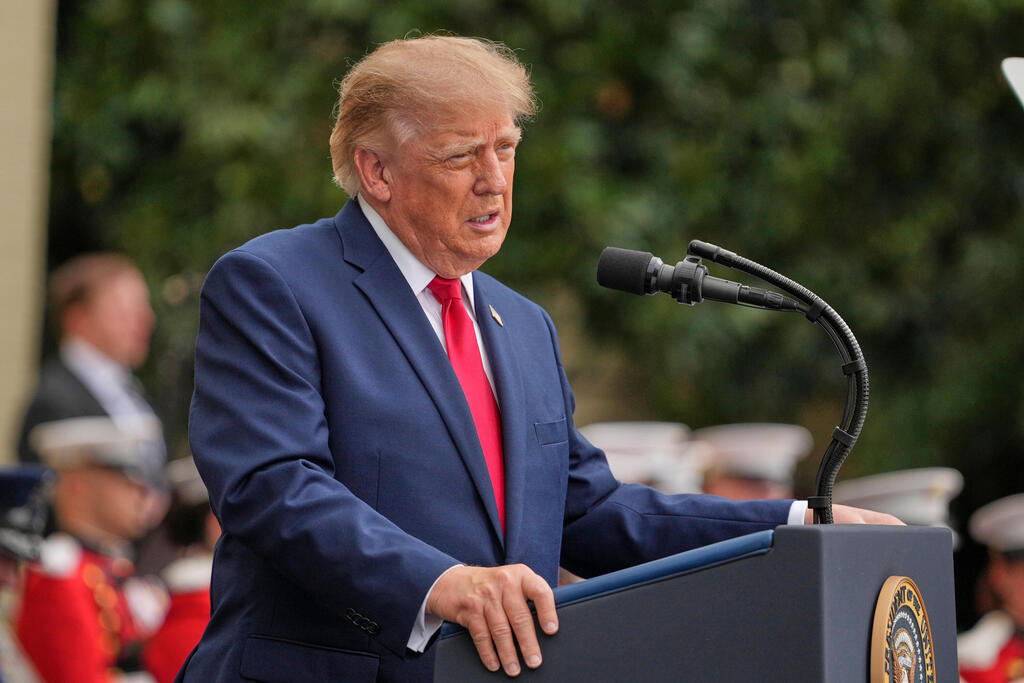
Donald Trump
(Photo: AP Photo/Mark Schiefelbein)
Trump said the U.N. gathering would give him an opportunity to consult U.S. allies in the Gulf about the next stage of the conflict. He is expected to meet leaders from Saudi Arabia, the United Arab Emirates, Qatar, Bahrain, Kuwait and Oman.
“I want to find out where they are and how they are doing,” Trump told Axios, saying the United States had been highly protective of the Gulf states. He declined to say whether he would make a decision before or after the U.S. midterm elections.
U.S. officials have said Trump faces pressure to choose a path forward because the military cannot remain indefinitely in its current posture. Defense Secretary Pete Hegseth has extended U.S. deployments in the Middle East into 2027, maintaining forces in the region as Washington keeps military options open.
Trump has repeatedly said in recent days that the war could end soon, including suggesting that it could conclude immediately after the November midterm elections if no agreement is reached beforehand. At a campaign rally in North Carolina, Trump said Iran had contacted the United States and was seeking a deal, though he added that he did not believe Tehran was ready yet.
Iranian leaders, meanwhile, have shown no public sign of accepting U.S. terms and continue to demand concessions from Washington in return for fully reopening the Strait of Hormuz.