

At 3 a.m. Saturday, under orders from Prime Minister Benjamin Netanyahu, Israel effectively began a unilateral ceasefire in Gaza, halting its offensive maneuvers—particularly in Gaza City—and shifting the military’s focus to defensive operations.
According to military officials, IDF units have been instructed to hold their positions and concentrate on self-protection “for the coming days.” To bolster their defenses, units received additional surveillance tools, including drones and UAVs, mainly in Gaza City.
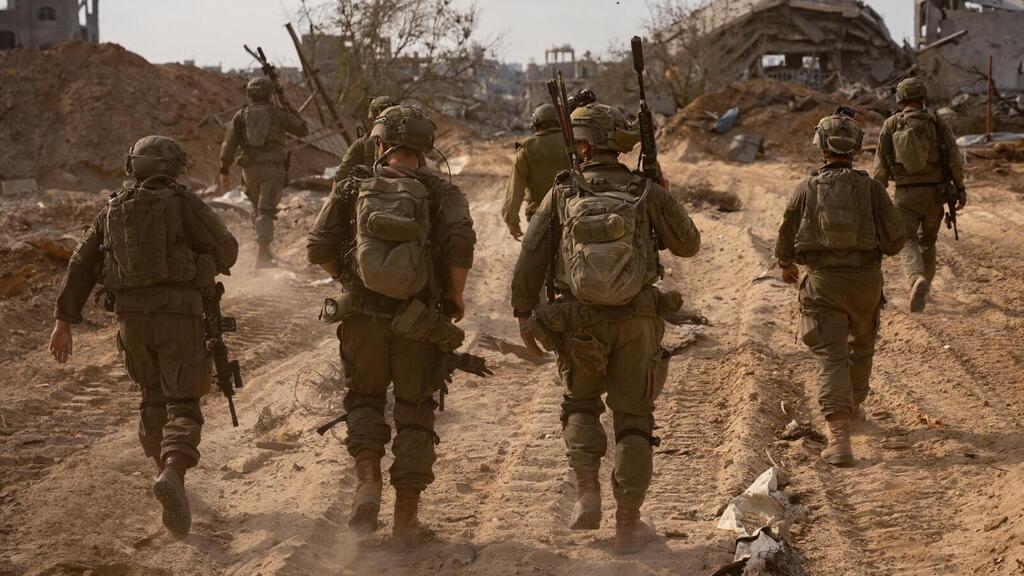
Troops are permitted to return fire if threatened, though in ambiguous cases, commanders must approve any engagement. The military described the step as a tactical move serving a strategic purpose: to avoid disruptions to diplomatic efforts aimed at securing a hostage deal and ending the war.
Ceasefire designed to support negotiations and manage public messaging
Defense officials said the front-line presence of Israeli troops inside Gaza—especially around key Hamas strongholds—would help maintain leverage at the negotiating table if talks collapse. At the same time, the ceasefire allows Hamas units to regroup and reposition, potentially consolidating control or targeting rival militias viewed as collaborators with Israel.
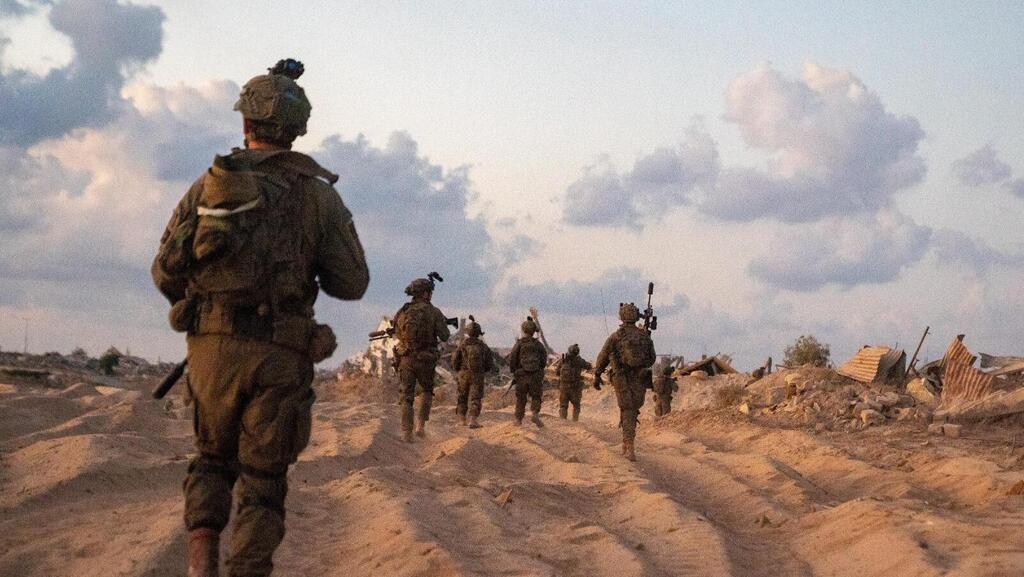
IDF forces in Gaza
(Photo: IDF)
The IDF does not expect Hamas to exploit the pause, viewing the group’s current restraint as an attempt to demonstrate seriousness about negotiations following U.S. President Donald Trump’s proposal.
Internally, Israeli officials acknowledge that one goal of the pause is also political: to help Netanyahu frame the move as part of Trump’s plan rather than as his own initiative or that of his close adviser, Minister Ron Dermer.
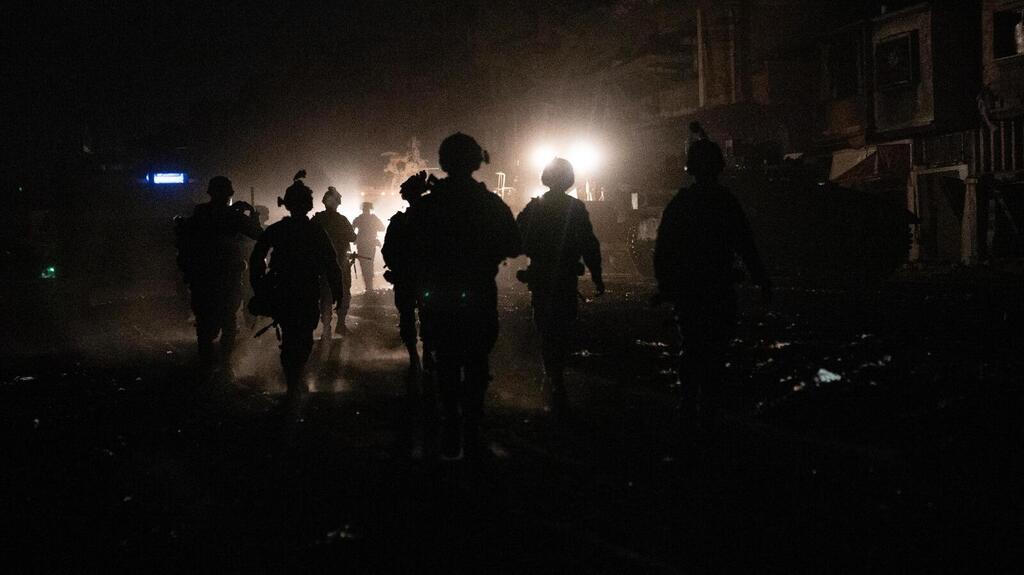
(Photo: IDF)
For the first time, the IDF’s official statement explicitly referred to the ceasefire as being “in line with President Trump’s plan,” marking a clear effort to align with Washington’s narrative.
Military posture: defensive readiness and containment
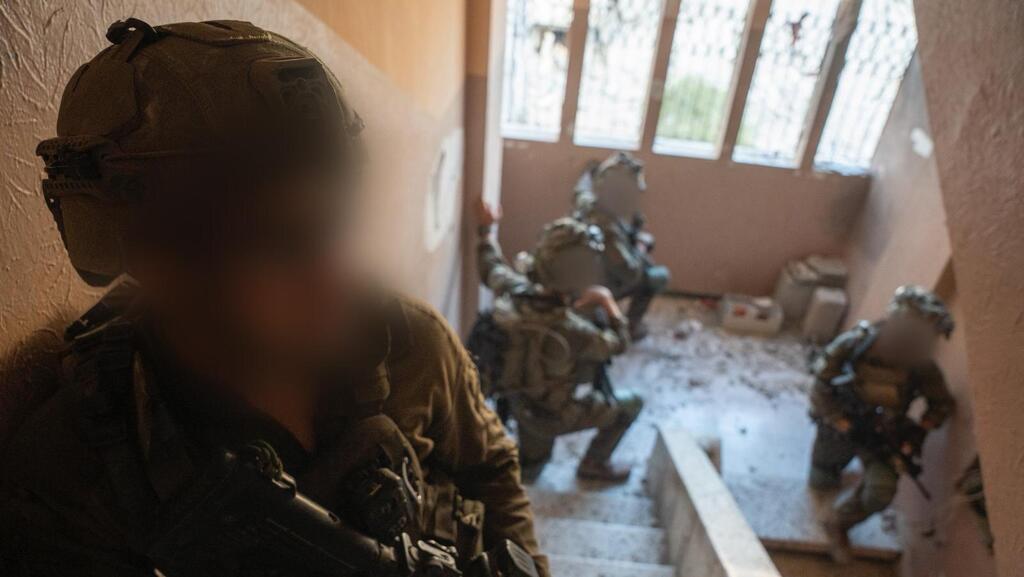
Though combat has paused, the IDF has reinforced units across the southern Gaza Strip, especially near Khan Younis, the Philadelphi Corridor, and defensive outposts along the buffer zone inside Gaza.
(Photo: IDF)
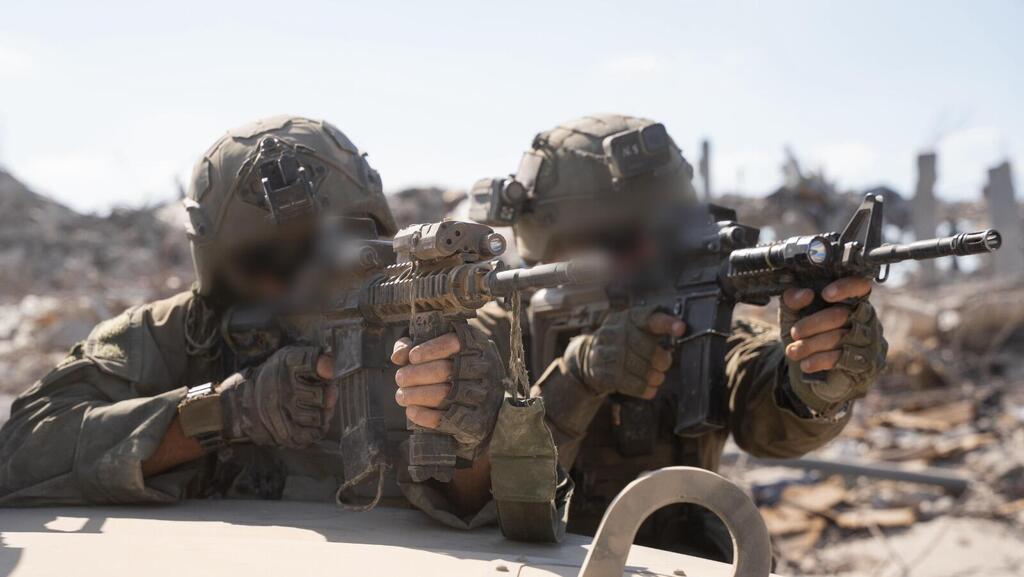
Commanders are preparing for possible attacks from “rogue terrorists” or local cells that may try to exploit the lull. Any such assaults, the military warned, would prompt a swift and proportional response.
The IDF also expects Hamas to use the truce to locate and coordinate hostage movements, with field operatives sent to track down captives and bodies still missing. Officials say Israel intentionally slowed its recent advance in Gaza City to give Netanyahu diplomatic space to negotiate an agreement before troops capture the remaining Hamas tunnel complexes.
(Photo: IDF)
Israeli defense and intelligence agencies have begun preparations for what could become the most contentious part of any deal—the release of thousands of Palestinian prisoners, including hundreds convicted of deadly attacks.
The Shin Bet security agency is evaluating whether to deport released inmates to the West Bank, where Israeli forces could monitor them more easily, or to Gaza, which past deals have shown may allow Hamas to rebuild.
While the ceasefire remains unilateral, both Israel and Hamas appear motivated to maintain calm as talks advance. “This is not the end of the war,” one senior officer said, “but it’s a pause to give diplomacy a chance.”