


After months of talks, draft lists and intensive discussions, the question of establishing a technocratic body to oversee the administration of the Gaza Strip has returned to the center of diplomatic efforts.
According to a Palestinian source, Egypt held consultations with all Palestinian factions and submitted a list of about 80 names to Israel, divided into two groups in line with red lines set by Israel. The aim, the source said, is to ensure that anyone selected, whether affiliated with Fatah or close to Hamas, would operate strictly within predefined limitations.
Gallery
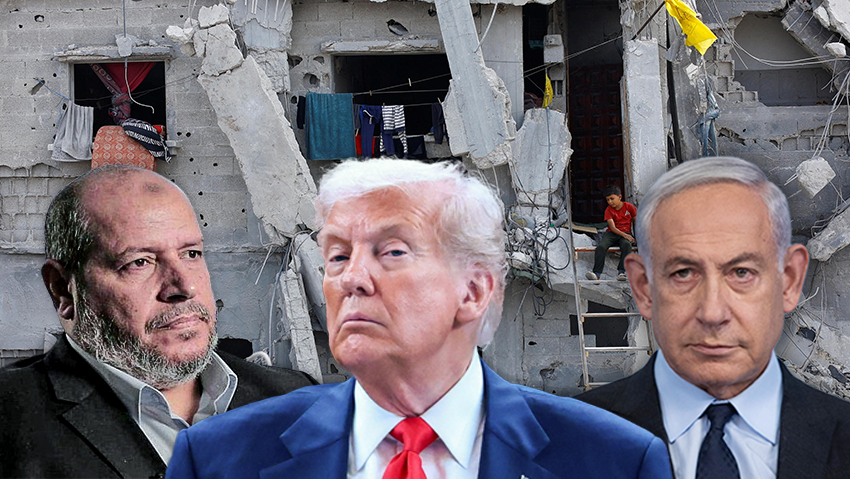
Doctors, economists and engineers among 80 names Egypt passed to Israel
(Photo: Evelyn Hockstein/ Reuters, Jehad Alshrafi/ AP, Alex Kolomoisky, Mahmoud Issa/ Reuters)
The technocratic body has been under discussion for months, but has regained prominence due to preparations for the second phase of the agreement and the need for a temporary civilian governing mechanism in Gaza. It is intended to be composed of professionals such as economists, doctors, engineers, bankers and systems managers who are not formally affiliated with, or identified with, any political faction or armed group.
Under the proposal, the body would manage daily life in Gaza in areas such as health care, education, infrastructure and reconstruction, and would not engage in political activity or armed struggle.
The Palestinian source stressed that no final decision has been made on the composition of the technocratic body, which still requires Israel’s approval. Once the details of the second phase of the agreement are clarified, including the issue of weapons in Gaza, the parties are expected to address the final makeup of the committee.
“This is also tied to visits and coordination with the White House,” the source said. Israeli officials are not expected to provide a final response until all outstanding issues are clarified, particularly those related to security arrangements and weapons.
A source close to Hamas told Ynet that the terrorist group does not intend to force the appointment of specific individuals, and that it submitted a list that includes what it described as “independent figures,” alongside names considered objective and others close to the group. However, he said Egypt did not adopt the proposals of Hamas, the Palestinian Authority or lists submitted by figures linked to former Palestinian leader Mohammed Dahlan, who lives in exile in the United Arab Emirates.
According to the source, Cairo is now relying largely on its direct ties with local actors in Gaza, including civil committees, community leaders and independent professionals. Among the names proposed by Egypt are figures from the fields of economics, banking and civil society who have not been identified over the years with any of the main political currents.
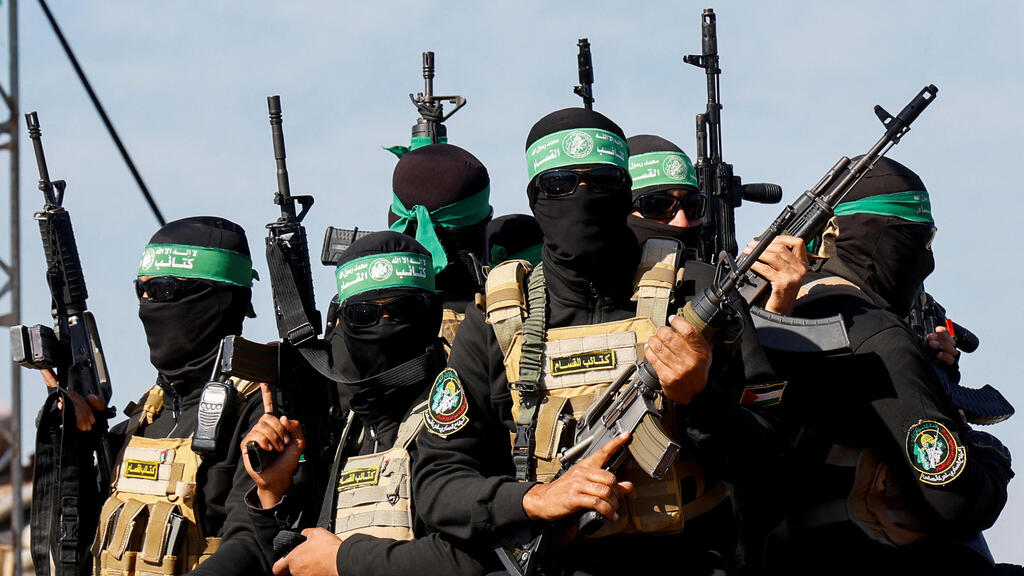
Hamas terrorists
(Photo: Hatem Khaled/ Reuters)
The source added that the central challenge is not the identity of those who would lead the technocratic body, but their ability to operate on the ground.
“The question is who will cooperate: Israel on one side, and Hamas on the other,” he said. Even if a civilian committee is established, he warned, as long as Hamas retains weapons and the civilian body lacks security tools or enforcement power, the terrorist group will continue to rule Gaza in practice.
“Without an international force, an agreed Israeli withdrawal or another mechanism to address the weapons issue, any civilian body that is formed will be weak,” the source said.
Palestinian American businessman Bishara Bahbah, who has served as a mediator between Hamas and the Trump administration, said Monday in an interview with Jordan’s Al-Mamlaka television channel that negotiations with Hamas over the handover of weapons are possible as part of a transition to the second phase of the agreement, without threatening the group.
According to Bahbah, international stabilization forces would be responsible for securing Gaza in the next stage. He said he believes outstanding issues could be resolved if the U.S. administration holds direct talks with the terrorist group.
Bahbah said President Donald Trump authorized the U.S. administration to conduct meetings aimed at ending the war in Gaza and advancing the second phase of the agreement. He added that Qatar, Egypt, the United Arab Emirates, Britain, Italy and Germany have agreed to participate in a Trump-led peace council.
Bahbah said he does not intend to take part in governing Gaza himself, and confirmed that Israel has received the list of 80 names expected to form the technocratic body. Among the leading candidates, he said, is Palestinian Health Minister Majed Abu Ramadan, who is widely viewed as the frontrunner to head the committee.
For now, the establishment of a technocratic body in Gaza remains contingent on resolving unresolved security issues, particularly the question of weapons and the body’s ability to operate effectively on the ground. Still, Hamas, Egypt and the U.S. administration continue to push the process forward, hoping the second phase of the agreement can proceed and lead to a stronger civilian governance mechanism in Gaza under international oversight and close coordination with Israel.