

A first-of-its-kind educational initiative: The Israeli Air Force (IAF), in cooperation with the leadership of the southern city of Netivot, is working to integrate boys and girls from Israel’s geographic periphery into the flight course and aviation professions, including unmanned aerial vehicle operations.
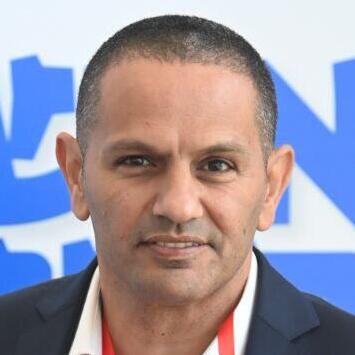
For the first time, a regional aviation center has been established in Netivot with the backing of Mayor Yehiel Zohar. The center aims to train the next generation of southern Israel’s youth for IAF service.
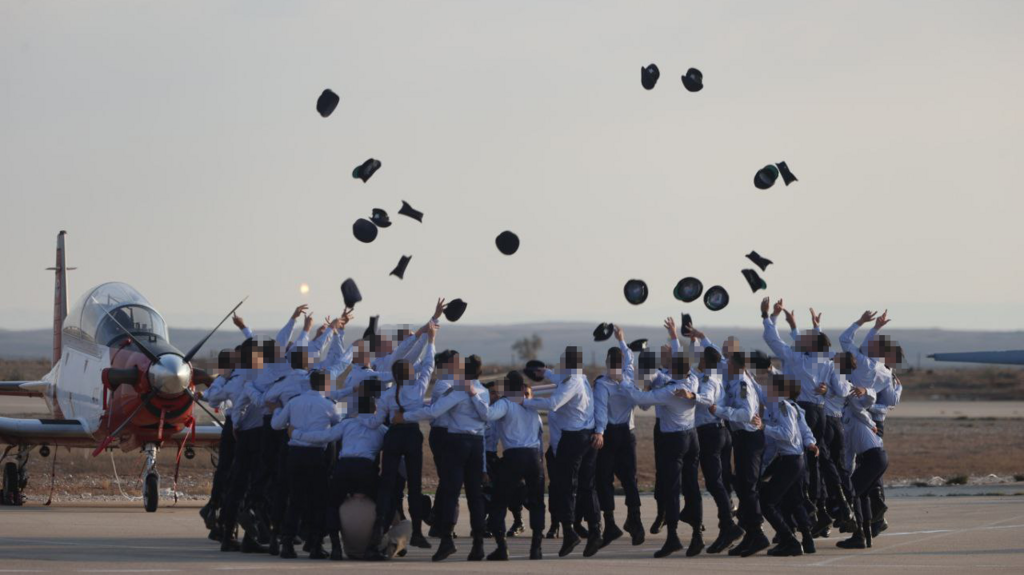
As part of the program, outstanding students from ninth grade are accepted into a unique track that includes a preparatory year focused on the fundamentals of aviation. Upon completion, participants split into two main tracks: a pilot track, in which students train as pilots and receive a civilian sport aviation license; and a UAV and drone operation track.
The initiative comes against the backdrop of an especially low share of periphery youth in the IAF flight course, about 10%, the lowest representation among elite and technological units in the Israel Defense Forces, with no upward trend.
The program is designed to increase representation from the periphery in the flight course and leading technological tracks through professional training, advanced studies and ongoing interaction with IAF personnel and the technological directorate. About 80 students from the western Negev are currently enrolled at the center.
As previously reported, there is an almost complete correlation between placement in technological units and excellence in five-unit mathematics studies, which have become the most accurate predictor of success in these tracks.
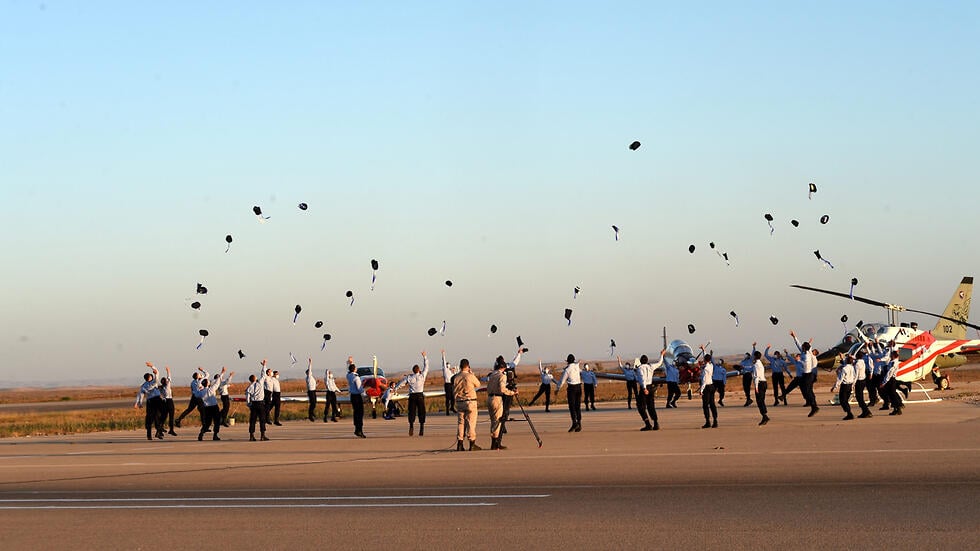
Initiative comes against the backdrop of an especially low share of periphery youth in the Israeli Air Force flight course
(Photo: Haim Orenstein)
According to updated data, representation from the periphery in technological units has surpassed 20% in some units, reached 25% in the academic reserve program and rose from 10% to 15% in Project Gamma, against an official target of 28.5%.
Clear improvement trends have been recorded in Military Intelligence, the C4I Directorate and the IAF’s technological units. In recent months, data showed that periphery representation has reached 26% in Shayetet 13 and Sayeret Matkal, 23% in Shaldag and continues to rise overall toward parity with their share of the general population.
In contrast, the picture in the flight course remains starkly different. Representation from the periphery remains at about 10%, with no improvement trend. Moreover, the success rate of periphery cadets who do enter the course is lower than that of other trainees, even though entry-level data is meant to be identical once candidates reach flight school. These figures point to a focused systemic problem within the IAF and the course itself.
Criticism of the IAF has centered on the fact that, unlike senior commanders in Military Intelligence and the C4I Directorate, who initiated deep, long-term programs such as ‘Magshimim’, ‘Gesharim’ and ‘Nitzanim’, in which about 72% of graduates are accepted into technological units, IAF commanders over the years did not launch similar programs for the flight course and focused primarily on integrating women.
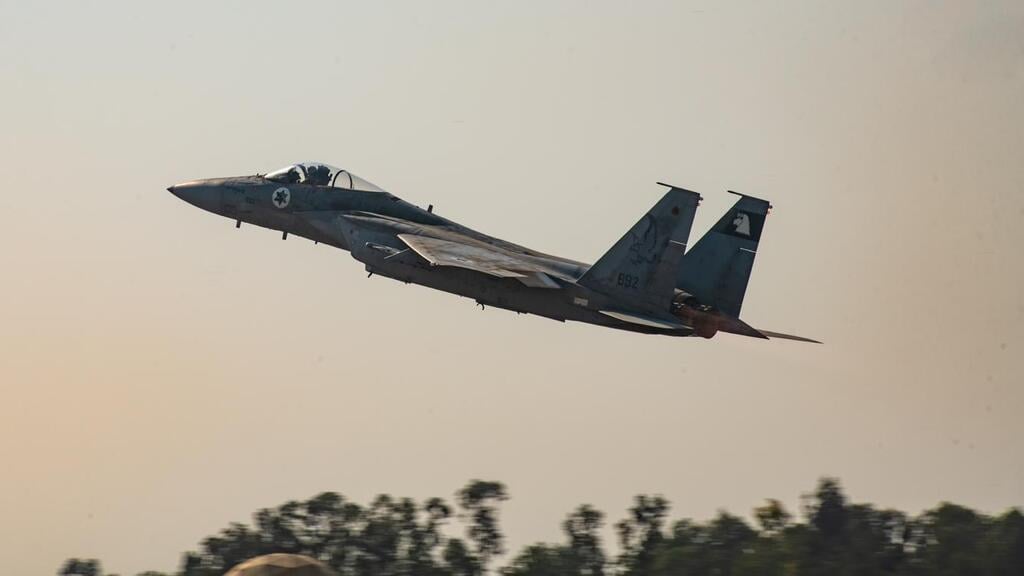
(Photo: IDF)
To the credit of the current IAF commander, Maj. Gen. Tomer Bar, a dedicated pre-military preparatory program for periphery youth was established at the end of 12th grade and is now in its second cycle. The program targets candidates who passed flight course screening and provides mental, cognitive and social tools to better cope with the course’s challenges, particularly for those who did not grow up in an ‘IAF family’ or come from an established background.
Alongside periphery youth, the program also includes women, Druze participants and teenagers who immigrated to Israel or grew up to immigrant parents. The IAF is monitoring graduates of the first cohort who are already in the course, with the aim of refining the program and ensuring it remains focused on the relevant target populations.
In practice, the post-12th-grade preparatory program completes a support continuum that begins as early as ninth grade at the Netivot aviation center. This continuum also extends nationwide through ‘Atidim to Pilots’, a joint initiative of the IAF, the Atidim organization and the Rakiya association, aimed at expanding the pool of flight course candidates from the periphery.
Col. (res.) Yossi Cohen, director of strategic projects in Netivot, said the initiative “will guide outstanding youth from the periphery toward meaningful service as aircrew members, promote diversity in the IAF’s human capital and provide tools for leadership, entrepreneurship and future employment.”
Lt. Col. (res.) Idan Ben Zvi, founder and CEO of Maromim, a partner in the Netivot program, said the aviation center in the western Negev cluster “is an educational and national breakthrough. These programs provide high-quality life skills and contribute to the country’s professional human capital, with an emphasis on the IAF and Military Intelligence.”
The program serves as a complementary layer to early-stage preparation, focusing on reducing gaps in access, knowledge and readiness already at the screening phase. It includes guidance for selection stages, simulations, pilot selection seminars emphasizing mental resilience, decision-making and group dynamics, alongside close personal mentoring and meetings with aviation and security officials.
Since the partnership began about a year and a half ago, roughly 1,500 Atidim students have participated in dedicated preparation workshops for flight course screening, with about 400 continuing on to advanced preparation tracks. The effort led to a record rate of nearly 90% attendance at screening among periphery youth.
A source involved in the initiative said its goal is “to channel youth from the periphery into places that were previously closed to them, not into technical roles but as pilots, and to create diversity in the IAF’s human capital.”
Together, the aviation center, the preparatory program and ‘Atidim to Pilots’ mark a developing conceptual shift in the IAF, from late-stage candidate identification to building a long-term educational and professional infrastructure aimed at correcting historic underrepresentation in the flight course and making the change deep, structural and lasting.