


The Knesset dissolved itself overnight between Thursday and Friday, setting Israel’s next election for October 27 after lawmakers approved an amendment to the Party Financing Law in its second and third readings.
The measure passed with the support of 62 lawmakers, with no opposition or abstentions. Its approval ensured that the Knesset would end its term on July 17 rather than remain in session for another week.
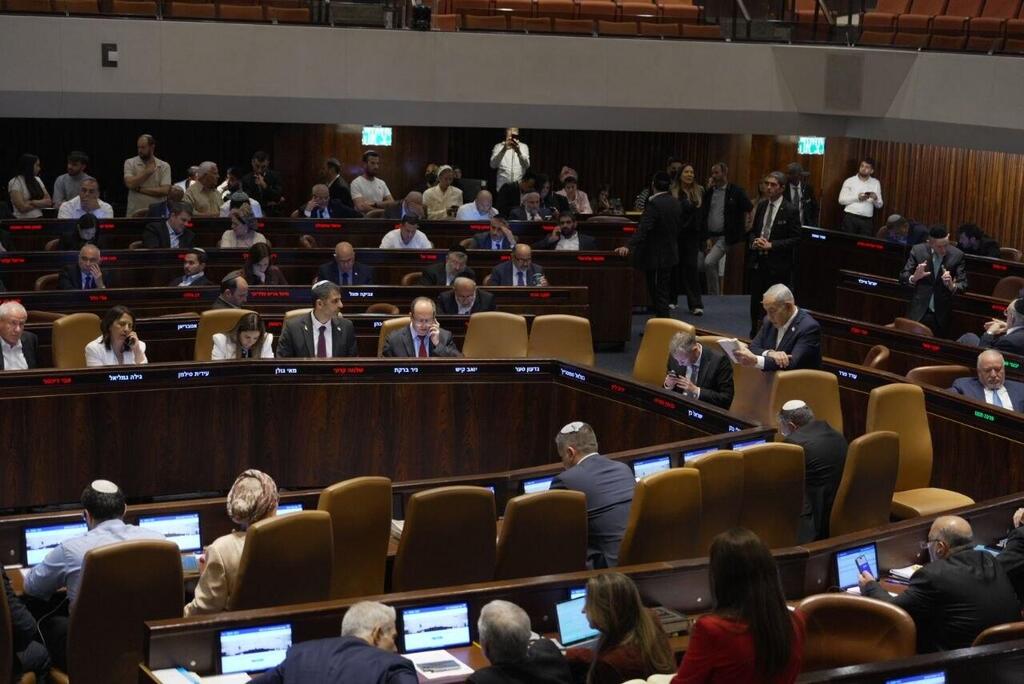
(Photo: Alex Gambourg)
Hours before the vote, Shas Chairman Aryeh Deri refused to support the legislation unless opposition parties joined the coalition in voting for it. Because the bill required a majority of 61 lawmakers, coalition officials feared it might fail.
According to the interpretation presented by the Knesset’s legal advisers, if lawmakers had not set another date through legislation or a parliamentary decision, the Knesset would have dissolved automatically 90 days before the election, on July 24. That would have allowed the coalition another week to advance legislation. Knesset Legal Adviser Sagit Afik recommended approving the bill in full.
Opposition lawmakers accused Deri of trying to “squeeze the public purse” by pressuring them to support an increase in party financing. Yisrael Beytenu argued that the Knesset’s work was already scheduled to end on July 17 and that linking the dissolution date to the funding amendment had no legal basis.
The approved amendment increases the sums available to parties contesting the election. The advance on election financing will rise from 70% to 80% of one financing unit for each lawmaker, while the additional allocation granted to every faction will increase from one financing unit to 1.4 units.
New parties and electoral lists not represented in the outgoing Knesset will also receive improved financing terms. After notifying the Knesset accountant of their intention to run, they will be eligible for an early advance of two financing units, subject to a guarantee. Once candidate lists are submitted, they may receive an advance of 10 financing units against a guarantee, minus the amount already received.
The legislation was submitted by the Knesset Committee following recommendations from the Public Committee on Party Financing, which considered requests from several political parties. The public committee also separately decided to increase the value of a financing unit for the coming election, a move that does not require legislation.
In a separate vote, the Knesset gave final approval to a temporary order preventing mandatory IDF service from being shortened in January 2027. Compulsory service will remain at 32 months.
The measure passed with 43 lawmakers in favor, 12 opposed and one abstention. During the debates, the IDF said even 32 months would not meet its operational needs and argued that the burden on regular and reserve forces requires extending compulsory service to 36 months.