

The Christian village of Rmeish in southern Lebanon sits just about two kilometers from the Israeli border, placing it squarely in the middle of the fighting between Israel and Hezbollah.
Unlike many communities across southern Lebanon, however, its residents have largely remained in their homes. Even during the previous round of fighting with Hezbollah in 2024, when Israeli strikes hit nearby areas, the village was considered relatively safe.
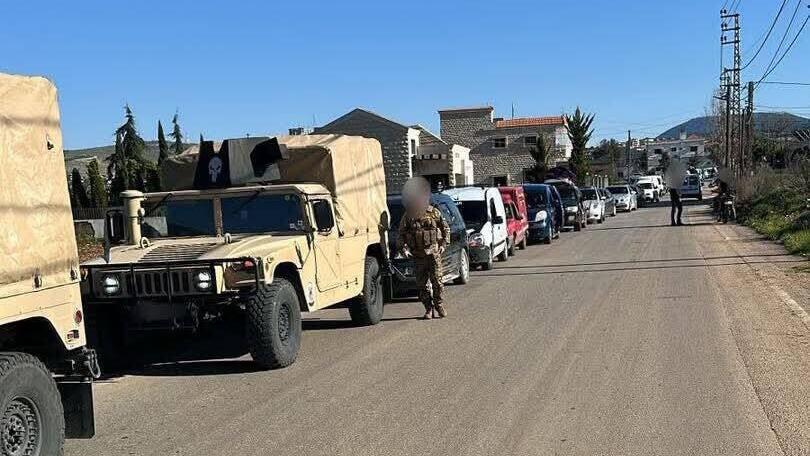
Recent evacuation warnings issued by the Israeli military to villages across southern Lebanon have led many displaced people to seek refuge in Rmeish. The warnings, delivered in Arabic by IDF spokesperson Lt. Col. Avichay Adraee, urged residents of several areas south of the Litani River to move north.
According to Lebanese reports and a recording circulating online, village leaders recently received phone calls from the Israeli military carrying a clear warning: if Hezbollah operatives are found among them, the village could be targeted.
“We see you as friends and family. We do not want you to evacuate the area,” the Israeli officer says in one of the recorded calls. “But your presence there is conditional. If Hezbollah elements are among you, we will strike and you will have to leave. The responsibility is yours. Without Hezbollah.”
The caller also warned that displaced people arriving from nearby towns such as Bint Jbeil, Aitaroun and Mays al-Jabal could include Hezbollah affiliates.
“If anyone among them is connected to Hezbollah, you are responsible,” he said.
Following the warnings, the village leadership decided to begin evacuating displaced families who had arrived in recent weeks.
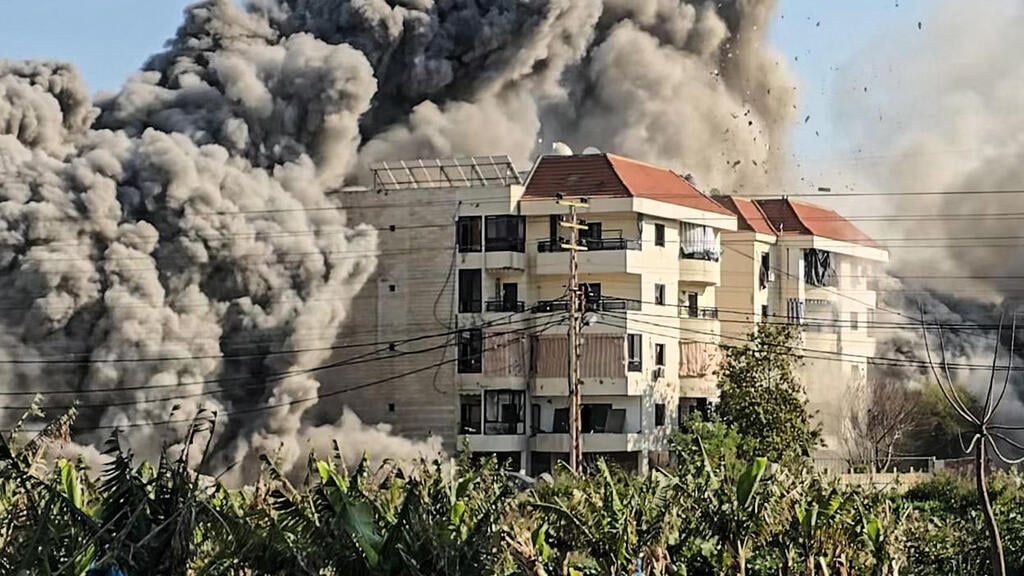
IDF strikes in southern Lebanon
(Photo: Kawnat Haju/ AFP)
Rmeish’s municipal council head, Hanna al-Amil, told the Lebanese news site Al-Modon earlier Tuesday that the village had been hosting between 150 and 200 displaced people, many from neighboring towns such as Bint Jbeil and Aitaroun.
Because the village has no dedicated shelters for evacuees, the displaced families had been staying in residents’ homes.
After the Israeli warning, however, village officials coordinated with the Lebanese army’s South Litani sector command, the interior ministry and the international ceasefire monitoring mechanism to arrange transportation for the displaced.
Lebanese army vehicles were expected to move them to centers in the Sidon area. By Tuesday evening, about 20 families had already left the village.
One village official, Hassan Said, told Lebanon’s Al-Jadeed television that residents plan to remain in their homes.
“We are staying on our land and continuing our work as usual,” he said. “We need the state and the army to protect us.”
Southern Lebanon is home to a diverse population that includes Shiites, Sunnis, Druze, Palestinians and Syrians, as well as several Christian villages. Rmeish is the largest and most prominent among the Christian communities in the area.
While many residents of southern Lebanon have fled north in recent days, Rmeish residents have largely chosen to stay, effectively receiving a conditional guarantee from Israel that the village will not be targeted as long as Hezbollah fighters are not present.
During the previous round of fighting with Hezbollah in October 2024, a report in the Saudi newspaper Asharq Al-Awsat described Rmeish as “caught between Israel and Hezbollah.”
“At that time, isolated from the outside world, they decided to remain in their village despite the war raging around them,” the report said.
Around 5,500 residents were believed to have remained in the village during that earlier conflict. One resident told French media at the time that when Israel fires, the shells pass overhead, and when Hezbollah responds, the same thing happens.
Just days before the war with Iran began in late February, Lebanese President Joseph Aoun met with a delegation from Rmeish and praised residents for staying on their land.
“The steadfastness of the people of the south on their land gives the deepest and strongest meaning to belonging and identity,” he said, adding that reconstruction efforts would require international financial support.