

Former Prime Minister Benjamin Netanyahu’s former adviser Eli Feldstein said Tuesday that Netanyahu was fully aware of and ultimately responsible for the leak of a classified document to the German newspaper Bild, dismissing claims that the prime minister learned of the document only through the media.
“Netanyahu knew everything. He was the one who ultimately stood behind the leak,” Feldstein said in an interview on Kan 11 television.
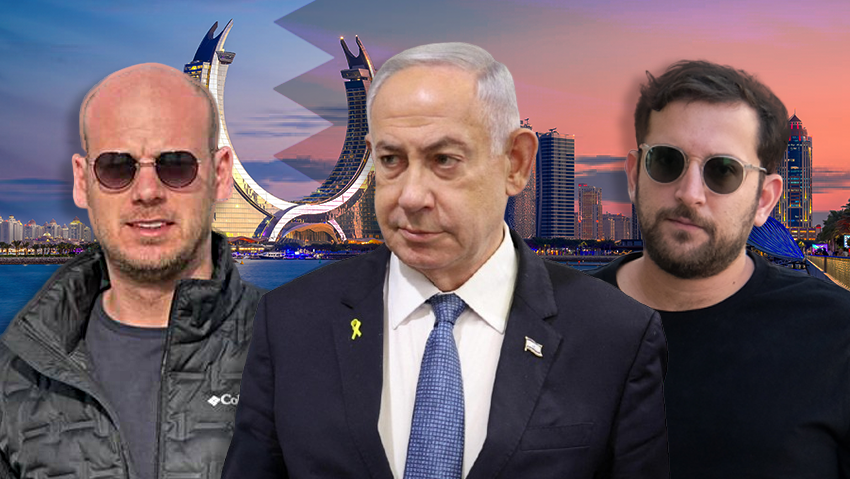
Feldstein, who has been charged in the classified documents affair and is also implicated in a separate case known as Qatargate, said he received a message from Jonathan Urich, a close Netanyahu adviser, shortly after the Bild publication reading: “Take your time, the boss is pleased.”
He said Urich later told him Netanyahu was satisfied with the publication, and that the two subsequently held a conference call with Netanyahu. “In that call, the prime minister thanks me for the publication and says it is very important,” Feldstein said.
According to Feldstein, the three coordinated a response to an expected inquiry to the Prime Minister’s Office about whether Netanyahu or the political leadership had been exposed to the document. The agreed response, Feldstein said, was that the military had not shared the document with the prime minister.
Feldstein said the claim that Netanyahu first learned of the document through the media was “a lie,” arguing that such a sensitive document could not be leaked without the involvement of the highest political level. “To release such a document, the prime minister must be in the picture — from beginning to end,” he said.
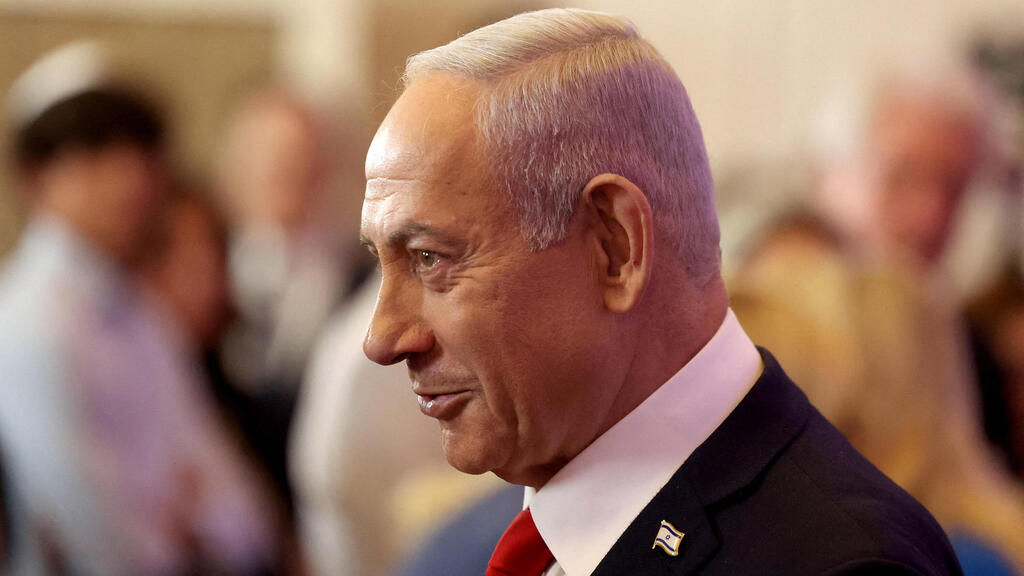
(Photo: Reuters/Ronen Zvulun/File Photo)
Feldstein declined to deny that Netanyahu knew of Urich’s alleged ties with Qatar. Netanyahu has not been questioned, even as a witness, in the investigation into the leak.
Earlier this week, Feldstein said Netanyahu’s chief of staff, Tzachi Braverman, recently appointed Israel’s ambassador to Britain, informed him of the investigation and said, “I can shut this down.” Feldstein said Braverman summoned him late at night to the Kirya military complex and told him an information security investigation had been opened, developments that later led to the charges against Feldstein and reserve officer Ari Rosenfeld.
Feldstein said he became one of Netanyahu’s advisers days after the outbreak of the war, and that his first task was to help deflect responsibility for the October 7 attack. He described Netanyahu at the time as “frightened” and “troubled,” and said proposals to state that the government bore responsibility were rejected by Netanyahu’s inner circle.
Netanyahu’s office rejected the allegations, calling them “false and recycled.” The statement said Netanyahu never ordered the leak, did not approve bypassing censorship, was not involved in any illegal act, and had no connection to the leak. It added that Feldstein previously said Netanyahu was not involved and passed two Shin Bet polygraph tests.
Former Israel Defense Forces Chief of Staff Gadi Eisenkot said Netanyahu must be questioned over his advisers’ actions and approval of the leak. Eisenkot alleged that Netanyahu’s closest advisers served the interests of a foreign state and endangered lives and intelligence sources and said Netanyahu’s silence “speaks volumes.”
First published: 03:08, 12.24.25