

France is pushing to keep the UN peacekeeping force in southern Lebanon beyond its planned withdrawal, reopening a decision the Security Council made last year to end the mission, while the United States is firmly opposing any extension.
The issue returned to the Security Council in a closed-door discussion after Lebanon asked UN Secretary-General António Guterres to reconsider the timetable for dismantling UNIFIL, the United Nations Interim Force in Lebanon.
Gallery
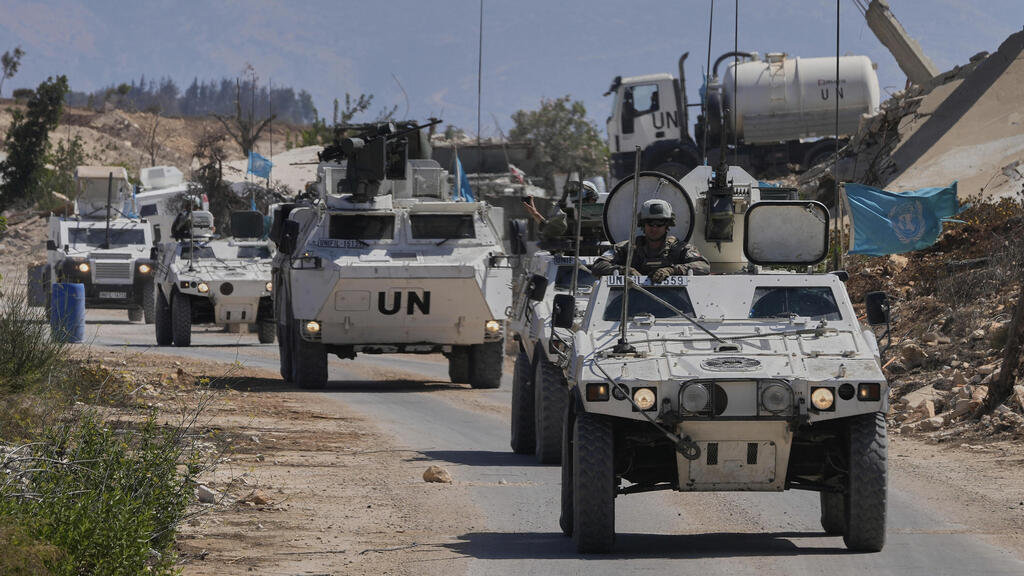
US and France clash over UNIFIL future as Lebanon seeks reversal of withdrawal plan
(Photo: AP Photo/Hussein Malla)
Under the decision adopted last year, the force is due to begin a phased withdrawal in 2027 and ultimately leave southern Lebanon, transferring responsibility for security there to the Lebanese government and army.
France has now backed Beirut’s request to revisit that decision, arguing that the deteriorating security situation and ongoing contacts with Israel justify keeping the force in place longer.
The French ambassador did not present a written proposal or specify how long an extension should last. Still, raising the issue marked the first significant attempt to reopen a decision that had already been settled.
The United States strongly rejected the idea.
US Ambassador to the UN Mike Waltz said Washington did not want to extend the mandate of a force it believes has failed in its mission, saying the United States would not repeat “the mistakes of the past.”
The American opposition is particularly significant because the current mandate had already been defined as UNIFIL’s final extension before an orderly withdrawal.
Several European countries expressed general support for the French position, while China and Russia, which had previously backed UNIFIL, did not take a position on the latest proposal.
Lebanese foreign minister reportedly receives security warnings
The diplomatic dispute comes as Lebanon’s Foreign Minister Youssef Raggi, a prominent Hezbollah critic and supporter of negotiations with Israel, has reportedly stopped appearing at his office after receiving security warnings.
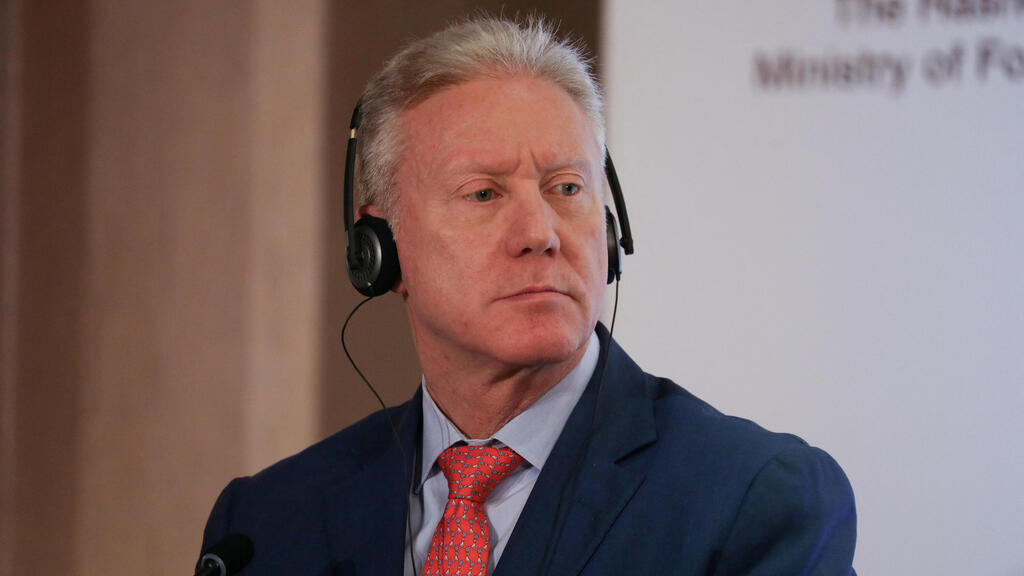
Lebanese Foreign Minister Youssef Raggi
(Photo: Reuters/Alaa Al Sukhni)
Lebanese broadcaster Al Jadeed contacted Raggi about talks with Israel but did not receive a substantive response. When asked whether security warnings were preventing him from reaching his office, however, the minister reportedly answered in the affirmative.
Raggi has repeatedly clashed with Hezbollah and is considered one of the more outspoken Lebanese officials favoring direct political engagement over the conflict with Israel.
UN official links Hezbollah disarmament to Israeli presence
The UNIFIL debate also exposed a deeper disagreement over who bears responsibility for the continued instability in southern Lebanon.
Carlos Arnáu, the UN’s acting coordinator in Beirut, argued during the discussion that one reason Hezbollah has not disarmed is the continued Israeli military presence in Lebanese territory.
According to that position, Israel should withdraw first, after which the Lebanese army could consolidate control and create conditions for Hezbollah’s disarmament.
Jean-Pierre Lacroix, the UN under-secretary-general for peace operations, voiced a similar concern, warning against creating a security vacuum in southern Lebanon once UNIFIL leaves.
He said planning for the withdrawal was already underway but that major questions remained over what would follow, including the implications for regional stability and other UN operations in Lebanon.
France’s ambassador said after the meeting that he had received “positive reactions” from Security Council members and that Paris would continue working on the issue in the coming weeks and months.
The dispute therefore remains unresolved, with France, Lebanon and some European governments seeking to preserve the mission and Washington pressing ahead with its termination.
Israel: ‘No reason to go backward’
Israeli Ambassador to the UN Danny Danon rejected efforts to keep UNIFIL in place.
“UNIFIL failed for years in the mission assigned to it and did not prevent Hezbollah’s military buildup in southern Lebanon,” Danon said.
“The decision to end its mandate has already been made, and there is no reason to go backward. In the months remaining until the end of its activity, the force must focus on enforcing Resolution 1701 and disarming Hezbollah. Responsibility afterward will rest with the Lebanese government and the Lebanese army.”
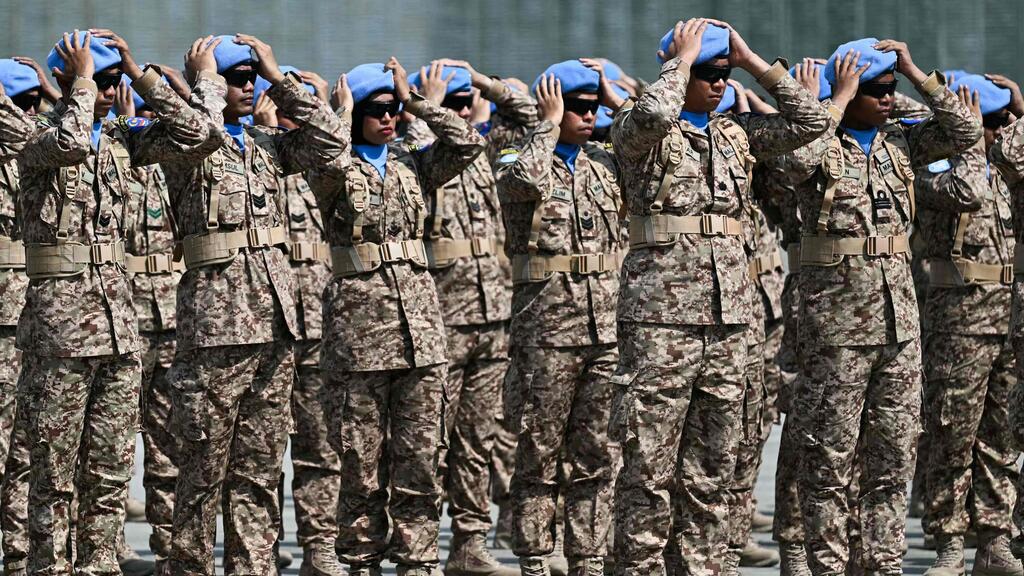
About 10,000 personnel from 47 countries serve with UNIFIL
(Photo: Mohd Rasfan, AFP)
An Israeli senior official likewise said Jerusalem opposed the creation of any new version of UNIFIL after the current mission ends.
“We oppose a new UNIFIL force,” the official said. “I would not be surprised if the UN secretary-general tries to recreate UNIFIL.”
The official said Israel and the Trump administration were aligned on the issue and had agreed that the United States could train elite units of the Lebanese army so that it could exercise effective control over the area after UNIFIL leaves.
Israel is also scrutinizing which countries might participate in any future monitoring arrangements, the official said, adding that governments seen in Jerusalem as acting against Israel should not be given a role.
Nearly five decades in Lebanon
UNIFIL was established in 1978 following Israel’s Litani Operation in southern Lebanon.
For decades, the force’s role centered largely on monitoring and reporting violations along the Blue Line, the UN-demarcated boundary between Israel and Lebanon.
After the 2006 Second Lebanon War, Security Council Resolution 1701 expanded its mandate, including support for the Lebanese army and efforts to prevent unauthorized armed activity in southern Lebanon.
Israel and the United States have long argued that UNIFIL failed to prevent Hezbollah from building extensive military infrastructure in the area.
The force currently includes roughly 10,800 troops and personnel from 47 countries.
Under the Security Council decision adopted last year, its withdrawal is expected to begin in 2027, after which responsibility for security in southern Lebanon is to pass exclusively to the Lebanese state.
During the withdrawal period, UNIFIL will still be permitted to conduct limited operations before leaving Lebanon entirely.