

Iran is threatening to impose fees on undersea internet cables beneath the Strait of Hormuz, CNN reported on Sunday, raising concerns that Tehran could target a critical “digital corridor” for global finance, cloud services and communications as talks with Washington remain stalled.
Iranian military spokesperson Ebrahim Zolfaghari said on X last week that Tehran would “impose fees on internet cables,” while media linked to the Revolutionary Guard said major technology companies, including Google, Microsoft and Amazon, would be required to comply with Iranian law and pay usage fees. Cable-laying companies would also be required to pay for passage through the strait, with repair and maintenance rights granted exclusively to Iranian firms.
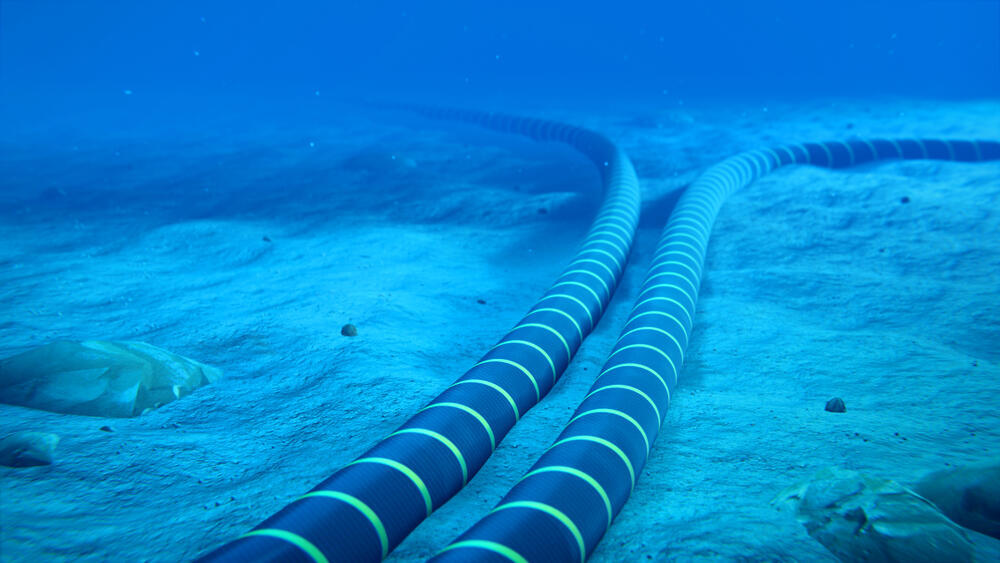
Iranian media also issued a vague warning that the flow of information through the cables could be disrupted if companies fail to pay the sums Tehran plans to demand. It remains unclear whether the cables in question pass through Iranian territorial waters, and U.S. sanctions could prevent technology companies from transferring money to Iran even if they sought to comply.
Subsea cables in the area carry internet traffic and large volumes of financial data between Europe, Asia and Gulf states. Damage to them could affect not only internet speed, but also the global banking system, military communications, cloud infrastructure used by artificial intelligence companies, remote work, online gaming and streaming services.
Fars, an Iranian news agency affiliated with the regime, claimed last week that a significant share of the undersea cables carrying data to Europe, the Middle East and Asia pass through Hormuz and handle transactions worth more than $10 trillion. It said Iran’s geographic position allows it to exercise sovereign jurisdiction over the infrastructure and collect fees.
Major deals could be disrupted
Mostafa Ahmed, a senior researcher at the United Arab Emirates-based Habtoor Research Center, told CNN that small submarines and underwater drones operated by the Revolutionary Guard could damage the cables, potentially causing a cascading “digital catastrophe” across several continents.
Gulf states could face severe internet disruptions, affecting oil and gas exports, while India’s internet infrastructure could also be hit, threatening the global outsourcing industry.

Mumbai, India
(Photo: AP)
Ahmed said the cables form a “digital corridor” between data centers in Asia and Europe, meaning damage could significantly slow financial trading and disrupt transactions between the continents. Parts of East Africa could also face serious internet disruptions.
Cable companies had already taken into account the risk of military tensions between Iran and the West. Ahmed said most undersea cables in the region were laid in a narrow strip along the Omani side of the waterway. Still, Alan Mauldin, research director at telecom research firm TeleGeography, told CNN two cables — Falcon and Gulf Bridge International — pass through Iranian territorial waters.
Irini Papanicolopulu, a professor of international law at SOAS University of London, told CNN Iran would have to honor existing contracts for cables already laid. For new cables, she said, any country, including Iran, can determine whether and under what conditions cables may be placed in its territorial waters.
U.S. officials have not yet publicly addressed the possibility of Iran targeting the digital corridor. But as negotiations remain stuck, concern is growing that Iran could carry out its threats.
Iran publishes US demands
Earlier Sunday, Fars published what it described as the U.S. demands in stalled negotiations with Iran. According to the report, Washington’s main conditions include no U.S. payment of compensation or damages to Iran, the removal and transfer of over 400 kilograms of uranium from Iran to the United States, leaving only one nuclear facility active in Iran, no payment of even 25% of Iran’s frozen assets and an end to fighting in all theaters through negotiations.
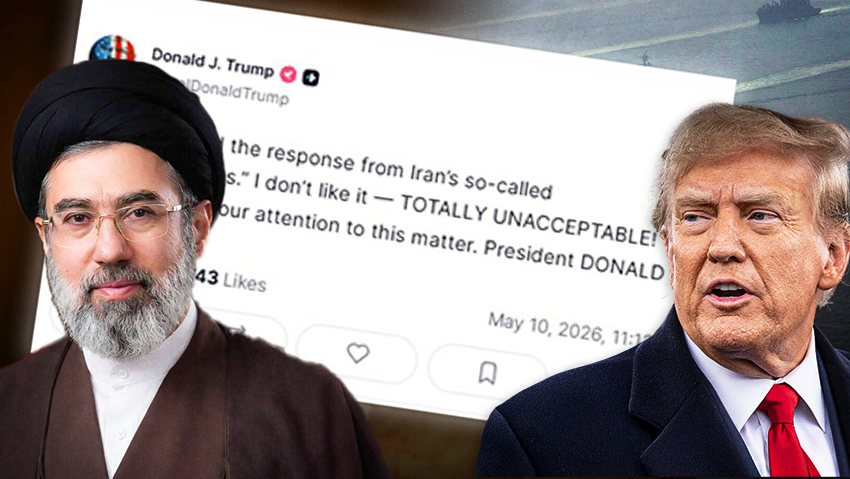
(Photo: Lev Radin/Shutterstock, Chaim Goldberg/Flash90)
The details were published after Iran rejected the U.S. proposal, amid threats by President Donald Trump and a real possibility of renewed war.
“Even if Iran meets these conditions, the threat of American and Israeli aggression will remain,” Fars wrote. “The American proposal, instead of solving the problem, seeks to achieve goals it failed to achieve during the war.”
Fars said Iran had conditioned any negotiations on five confidence-building steps: ending the war on all fronts, especially in Lebanon; removing sanctions on Iran; releasing Iranian funds; compensating Iran for war damage; and accepting Iranian sovereignty over the Strait of Hormuz.
Did Iran resume strikes on Gulf?
The tensions came as the United Arab Emirates said a fire broke out in an electrical generator near the Barakah nuclear power plant in the Al Dhafra region, after local reports claimed the site had been attacked by a drone.
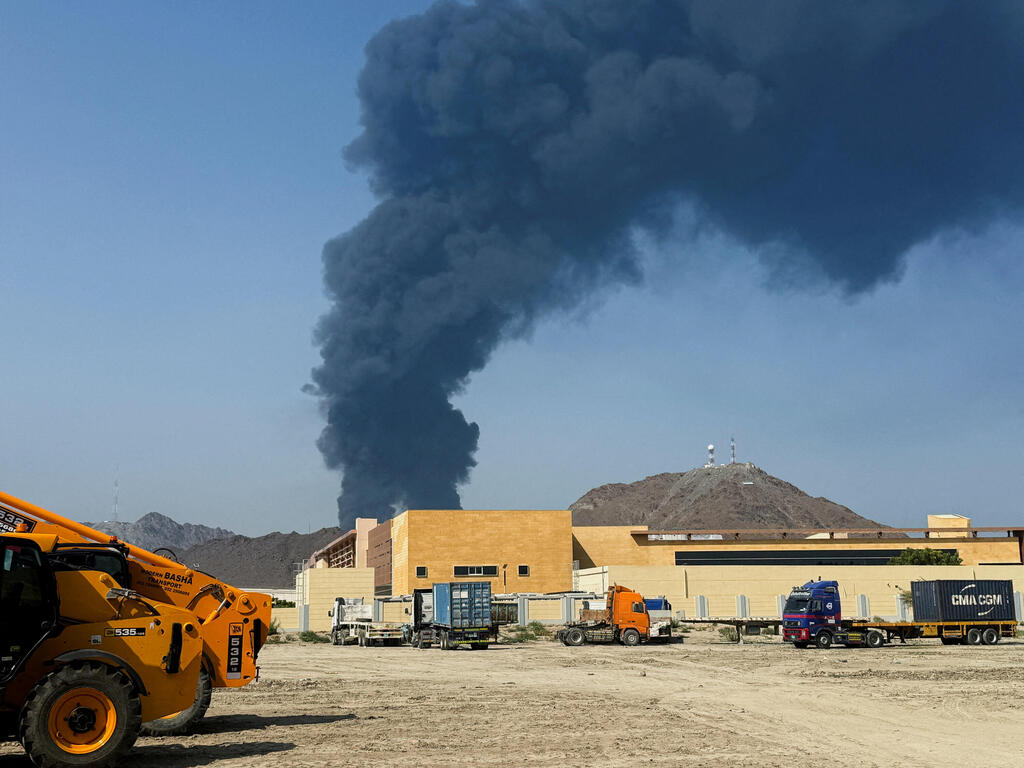
Some rises over an oil facility in Fujairah, UAE after an Iranian attack, March 14, 2026
(Photo: REUTERS/Staff)
UAE officials said there were no casualties and no effect on radiation safety levels. The UAE has not explicitly blamed Iran.
Against that backdrop, and amid the possibility of renewed fighting, Israel’s decision-making Security Cabinet is expected to convene Sunday evening.