

For more than 150 years, horse-drawn carriages have been part of the landscape of Central Park, a romantic symbol that attracts tourists from around the world. Now, for the first time, the nonprofit that manages the park is siding with animal rights activists and calling for the rides to end, saying the horses are unsafe in an increasingly crowded park.
In a letter sent to the New York City Council, the Central Park Conservancy said it supports banning the carriages as early as next summer. The letter argued that the rides pose risks to public safety and infrastructure in the crowded 843-acre park.
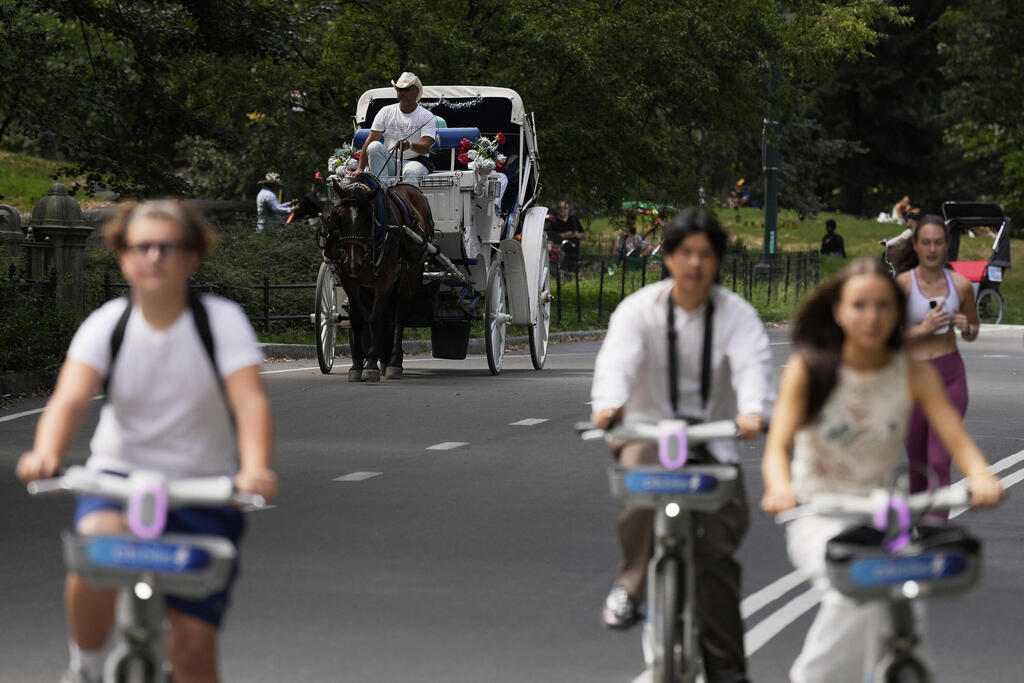
“We can’t be just frozen in time,” said Elizabeth Smith, the conservancy’s CEO, in an interview this week. “Horses are too unpredictable and the roadways are too busy with too many different kinds of users now — bikers, runners, pedestrians, strollers.”
Smith noted other cities have done away with the nostalgic rides, including San Antonio, which passed a five-year phase-out of the industry last year. Chicago banned it starting in 2021 and Montreal did the same the year prior.
No way to guarantee safe use of carriages
Animal rights organizations have long complained that horses can get easily spooked on city streets, leading to accidents and injuries. They also claim the horses are overworked and live in inadequate stables and their drivers flaunt city regulations, including leaving behind piles of horse manure. All animals are supposed to be fitted with manure-catching devices.
“There’s simply no way to operate horse-drawn carriages and have it be safe,” said Edita Birnkrant, executive director of NYCLASS. “No amount of regulation can change that. Lord knows we have tried."
The conservancy’s call came after a carriage horse collapsed and died near its stables earlier this month, with videos and photos of the animal’s body in a city street circulating widely online.
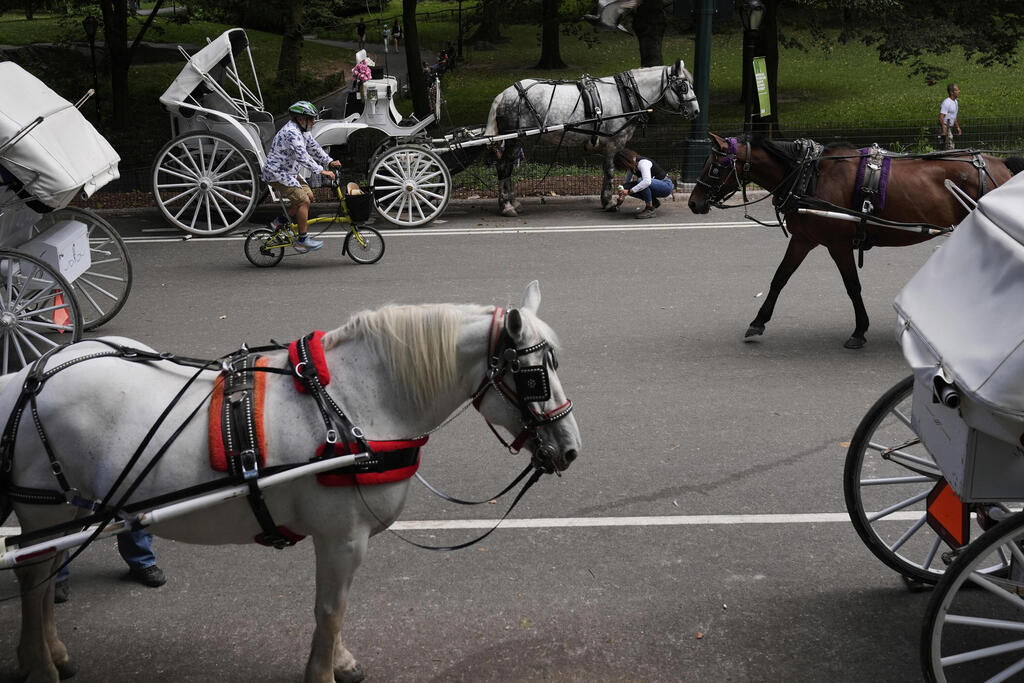
Animal rights organizations have long complained
(Photo: Seth Wenig)
But the organization didn’t weigh in on the animal welfare concerns in its letter to the council.
They said the tipping point was two recent incidents: a spooked horse bolted from its handler and ran loose through the park; and, two more horses broke free from their drivers and crashed into a fleet of parked pedicabs, injuring one of the drivers.
Carriage drivers say they’re unfairly targeted
There are currently 68 licensed carriage owners with a total of about 200 horses and 170 drivers, according to the Transport Workers Union, which represents industry employees.
The park sees some 40 million visitors annually, many of them rent bikes or hitch a ride on one of the human-powered pedicabs that line the park’s entry points. Cars were banned from the park’s drives in 2018.
The rides are costly. A standard trip through the park runs about $120 per carriage, while longer rides into the city can reach $240.
Drivers say they are being unfairly targeted and point out that the park’s original design included paths for carriages.
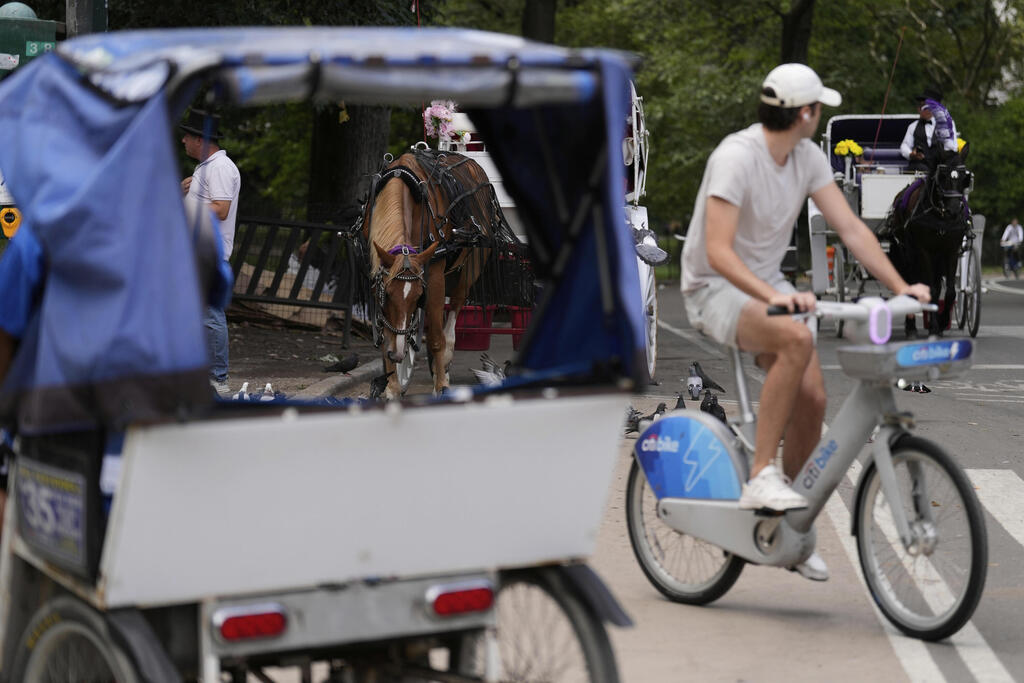
"The horses enjoy a life of relative ease"
(Photo: Seth Wenig)
They also argue their horses enjoy a life of relative ease compared to the rigorous farm where they were purchased. Under city regulations, each horse is inspected by a veterinarian twice a year and the maximum age they can work at is 26.
They work a maximum of nine hours a day and must stop giving rides if it’s above 32 °C (89 °F) or above 27 °C (80 °F) with high humidity.
They also shouldn’t work if the temperature plummets below 7 °C (19 °F) or if there’s severe weather, and must get at least five weeks' vacation a year outside city limits with daily access to pasture. “My horses, I give them a nice life,” says Onur Altintas, a longtime carriage owner and driver.
The debate is far from over
City Council Speaker Adrienne Adams’ office declined to say this week whether the proposed ban would even be heard, let alone put to a vote this session. Zachary Nosanchuk, a spokesperson for Mayor Eric Adams, said the city administration will meet with industry representatives and advocates to discuss the matter, acknowledging Adams’ predecessor spent eight years unsuccessfully trying to end the industry.
Former Mayor Bill de Blasio vowed to shut down the industry “on day one” during his winning 2013 campaign, only to come up against years of council opposition and even the ire of actor Liam Neeson, who remains an outspoken supporter of the carriage industry.