


Prime Minister Benjamin Netanyahu on Monday named technology entrepreneur Oren Dobronsky as his first handpicked candidate for the governing Likud party’s slate in the upcoming national election, beginning to use new powers that give him unusually broad influence over the party ticket as polls point to a difficult race.
Likud said Dobronsky, a veteran technology entrepreneur and investor who is also known in Israel as a panelist on the local version of the business reality show “Shark Tank,” would receive one of eight places on the candidate list reserved for Netanyahu.
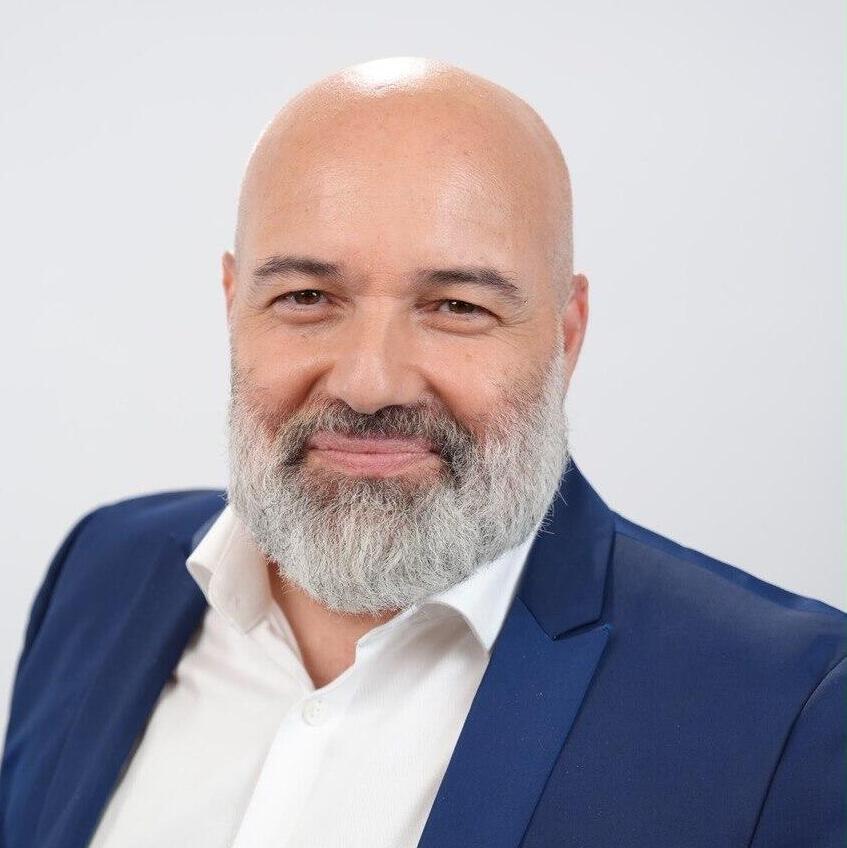
His exact position will be announced after Likud holds its party primary, though he is expected to receive a relatively high place on the slate.
“Likud welcomes Oren Dobronsky as the party’s first reserved candidate,” the party said in a statement, describing him as a successful businessman, a veteran of Israel’s technology sector and a political conservative.
Likud said Dobronsky would take responsibility after the election for promoting artificial intelligence in areas including the economy, education and health care.
The appointment comes as Netanyahu seeks to exert greater control over the composition of Likud’s next parliamentary delegation ahead of the Oct. 27 election.
Unlike the United States and other countries where voters elect individual lawmakers from geographic constituencies, Israelis vote for national party lists. The 120 seats in the Knesset are then distributed proportionally among parties that receive at least 3.25% of the national vote.
A candidate’s position on a party list can therefore determine whether that person enters parliament. A candidate placed 15th on a party that wins 20 seats is elected, for example, while one placed 25th is not.
Likud traditionally gives its membership considerable influence over that ranking through party primaries. But Netanyahu has pushed in recent weeks for the authority to insert candidates of his own choosing into realistic positions on the list.
Likud’s Central Committee ultimately approved eight positions for Netanyahu’s handpicked candidates among the first 29 places on the slate, including three in the top 10 and six in the top 20. The approved positions are Nos. 3, 5, 9, 11, 15, 18, 26 and 29.
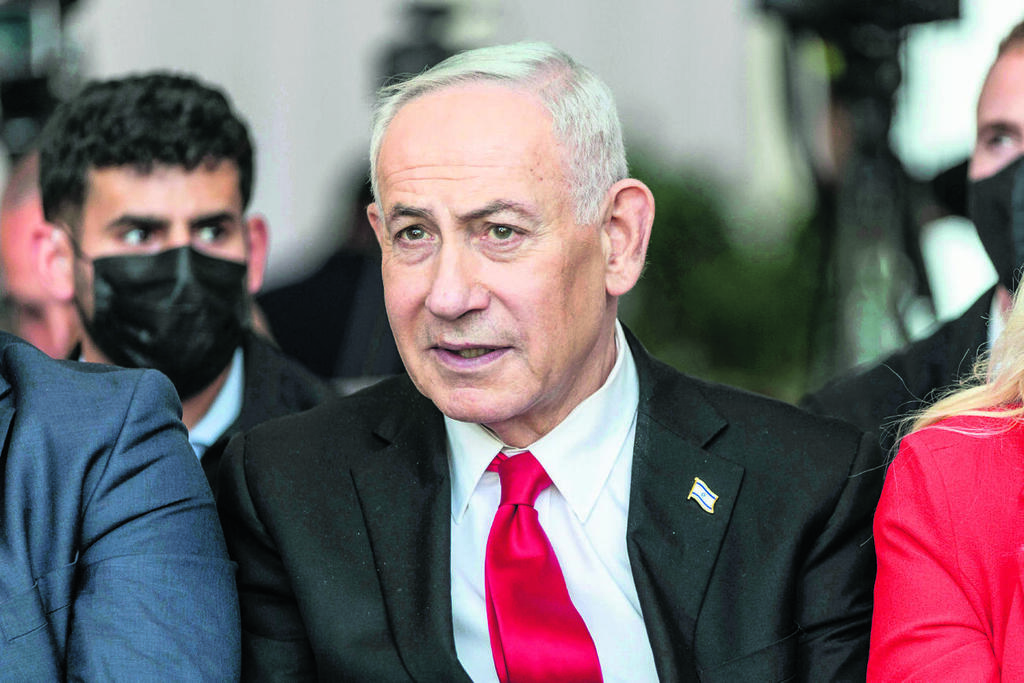
Prime Minister Benjamin Netanyahu
(Photo: Ilia Yefimovich/AFP)
That gives Netanyahu direct influence over a substantial share of the seats Likud could realistically win in October.
The authority is particularly important this year because opinion polls have suggested Likud could win roughly 20 to 25 seats, below the 32 it won in the 2022 election. Polling has also repeatedly shown Netanyahu’s broader alliance of right-wing and ultra-Orthodox parties struggling to reach the 61-seat majority required to form a government.
Likud remains a major force and Netanyahu, Israel’s longest-serving prime minister, remains the dominant figure on the Israeli right. But he faces a more fragmented electoral landscape, with challengers including former prime minister Naftali Bennett, former military chief Gadi Eisenkot and former Netanyahu allies who now oppose his leadership.
The arithmetic means Netanyahu has an incentive not only to maximize Likud’s vote but also to shape the party’s candidates and the wider right-wing bloc.
Handpicked places allow him to recruit figures from outside traditional party politics who could appeal to voters beyond Likud’s established base, bring professional credentials to the ticket or fill gaps in its public image. They could also provide Netanyahu with potential places for political allies as negotiations and alliances on the right develop before candidate lists are finalized.
The arrangement therefore gives Netanyahu flexibility after Likud members choose much of the slate in the party primary. With some smaller parties on the right hovering around the electoral threshold in polling, even relatively small shifts could determine whether Netanyahu can assemble a parliamentary majority after the election.
Netanyahu had fought internally for expanded authority over the slate before reaching an agreement with Haim Katz, a senior Likud minister who chairs the party’s powerful Central Committee.
Under the agreement, Netanyahu received eight reserved places through No. 29. Netanyahu has also promised one of the reserved positions to Katz, according to media reports. There has been speculation that the place could instead go to Likud lawmaker Eti Atia, a Katz ally, or that both could ultimately receive protected positions.
Dobronsky is the first outsider publicly selected under the arrangement.
From Silicon Valley to Likud politics
Dobronsky is an Israeli technology entrepreneur and angel investor with extensive experience in Silicon Valley. He has founded and invested in technology companies and is familiar to many Israelis from “The Sharks,” the Israeli version of the international “Shark Tank” television format, in which entrepreneurs pitch businesses to potential investors.
He has also lived in California and owned Oren’s Hummus, a restaurant business that began in the San Francisco Bay Area.
Dobronsky met Netanyahu before Monday’s announcement and told him he had decided to accept the offer to enter politics.
“That’s it, as far as I’m concerned, I’m in,” Dobronsky told Netanyahu in a video of their meeting released by Likud. Using a common Israeli military expression for sharing a difficult burden, he said he was “getting under the stretcher.”
Netanyahu welcomed him and joked about Dobronsky’s television career.
“I don’t know, you don’t look like a shark,” Netanyahu said, before praising his business record and describing his success as “phenomenal.”
Dobronsky said Netanyahu had approached him about a month earlier and asked whether he would consider joining Likud.
“I felt it was like a call-up order,” Dobronsky said. “I’m not someone who comes from politics, I’ll tell you the truth. I don’t really have political aspirations.”
But he said Netanyahu’s request convinced him to join.
“When you told me, ‘You can take something like this’ — that was it,” he said. “As far as I’m concerned, I’m there. I’m getting under the stretcher. I’m coming to do what needs to be done.”
Netanyahu said Dobronsky would bring initiative, understanding, experience and a record of success to the party.
He also pointed to the government’s establishment of a national artificial intelligence headquarters, saying Israel had opportunities in AI, quantum technology and international technological partnerships.
“The countries that are coming to us — we have an opportunity here to create global alliances,” Netanyahu said.
Past criticism of Trump
Dobronsky’s appointment could also attract attention because of unusually harsh criticism he directed at U.S. President Donald Trump just two months before joining Netanyahu’s slate.
Netanyahu has long portrayed his relationship with Trump as one of his major diplomatic assets, and the two leaders and their political movements have maintained close ties despite occasional disagreements.
In a June post on X, however, Dobronsky fiercely criticized Trump over U.S. handling of negotiations with Iran, accusing Washington of sidelining Israel.
Setting aside whether an agreement with Iran was good or bad, Dobronsky questioned why the United States would not include an ally that had fought alongside it in negotiations.
He accused Trump of failing not only to give Israel a place at the negotiating table but also to share the text of the agreement with Israel.
Dobronsky then used an obscenity to describe Trump, calling him a "morally corrupt piece of shit" over his treatment of an ally.
He argued that Israel had fought courageously alongside the United States and had earned the right to participate in negotiations or, at minimum, see draft agreements.
Dobronsky also questioned why other countries should remain U.S. allies if Washington treated partners in such a manner.
The remarks stand out given Netanyahu’s political identification with Trump and his repeated emphasis on the importance of the U.S.-Israel relationship.
Likud did not indicate Monday that Dobronsky’s previous criticism of Trump had affected Netanyahu’s decision to bring him into the party.
For Netanyahu, the appointment marks the first test of the expanded powers he secured over the Likud ticket. With the election less than three months away and polling offering no clear path to a parliamentary majority for either major political camp, the remaining selections could provide an indication of how Netanyahu intends to broaden Likud’s appeal — and how he plans to reorganize the Israeli right before voters go to the polls.