


A string of recent paragliding accidents in Lebanon has pushed authorities to tighten oversight of the extreme sport, which gained new associations in Israel after Hamas terrorists used powered parachutes during the Oct. 7 cross-border attack.
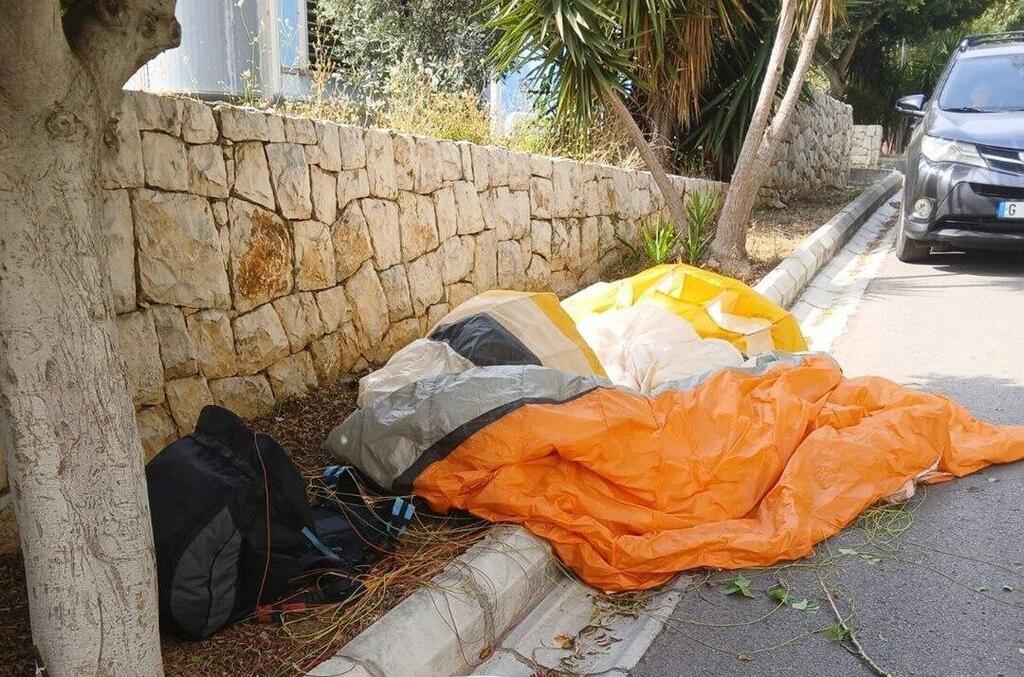
In early September, two men crashed into trees during a training flight in Harissa, in Mount Lebanon. On Aug. 28, another man slammed into rocks along the al-Bahsa shore near the coastal city of Byblos, requiring a dramatic rescue captured on social media.
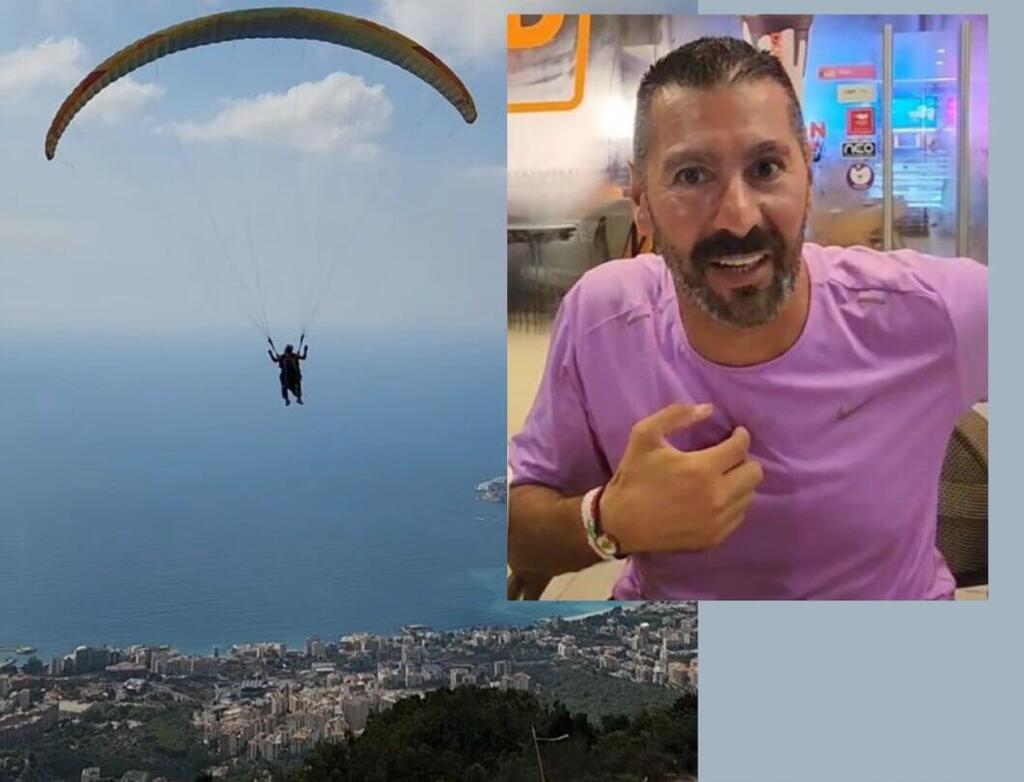
On Aug. 22, Lebanon’s youth and sports ministry, led by Minister Noura Bairakdarian, imposed a nationwide ban on acro paragliding following the death of Omar Sanjar, a well-known Lebanese flier. Sanjar was preparing for the world championships in Turkey when his parachute malfunctioned during aerobatic maneuvers over Jounieh, northeast of Beirut. He fell into the sea and later died of his injuries. His sister told Sky News Arabia that he had “devoted his entire life to paragliding.”
The fatal crash was one of several this year. Earlier in August, also in Jounieh, a paraglider carrying two people hit a wall, leaving both seriously injured. In May, a young man was killed in another accident in the same city.
The sports ministry responded this month with new regulations: paragliding is permitted only under strict conditions, with approved clubs and sites vetted by the Lebanese army. Acro paragliding and other unauthorized aerial activities remain banned, with violators facing license suspensions or prosecution. Several paragliding associations have already had their activities frozen for failing to comply, and Lebanon’s president was personally briefed on the measures.
The sport carries sensitive overtones in Lebanon. Hamas used powered paragliders in its Oct. 7 assault, and Hezbollah has a long history of experimenting with airborne tactics. The Shiite terrorist group once maintained a paragliding unit disguised as a civilian club. A 2022 article in al-Akhbar, a newspaper aligned with Hezbollah, detailed how senior operative Hassan al-Laqis — assassinated in 2013 — oversaw a team training with powered paragliders for suicide missions or raids behind Israeli lines. One fighter, Jamil Skaff, was killed in a 1994 training crash.
The report said Iran’s development of drones eventually eclipsed paragliders as Hezbollah’s main aerial weapon. Still, Hezbollah leaders continue to honor those early efforts. In a speech last year, months before his own killing, then-leader Hassan Nasrallah said: “With every attack or reconnaissance drone we send, we remember Commander Hassan al-Laqis.”