


The IDF is preparing to reorganize its deployment in Lebanon as Israeli defense officials warn that an emerging agreement between the United States and Iran could sharply affect the northern front and limit Israel’s freedom of action against Hezbollah.
Since the ceasefire in Lebanon was declared, the situation on the ground has remained far from quiet. Ten soldiers have been killed, while the IDF has largely avoided strikes in Beirut, except for one targeted killing in Dahieh, in line with a U.S. demand.
Israeli Air Force strikes in Lebanon
(Video: IDF)


Now, as reports from the Iran talks continue to develop, Northern Command is trying to clarify the key questions facing forces still operating in the field: what kind of ceasefire will actually take hold in Lebanon, and what precise operational instructions will govern IDF activity there.
The hours before a possible formal agreement between Washington and Tehran are highly tense. It remains unclear what the deal will look like and how it will affect the northern arena.
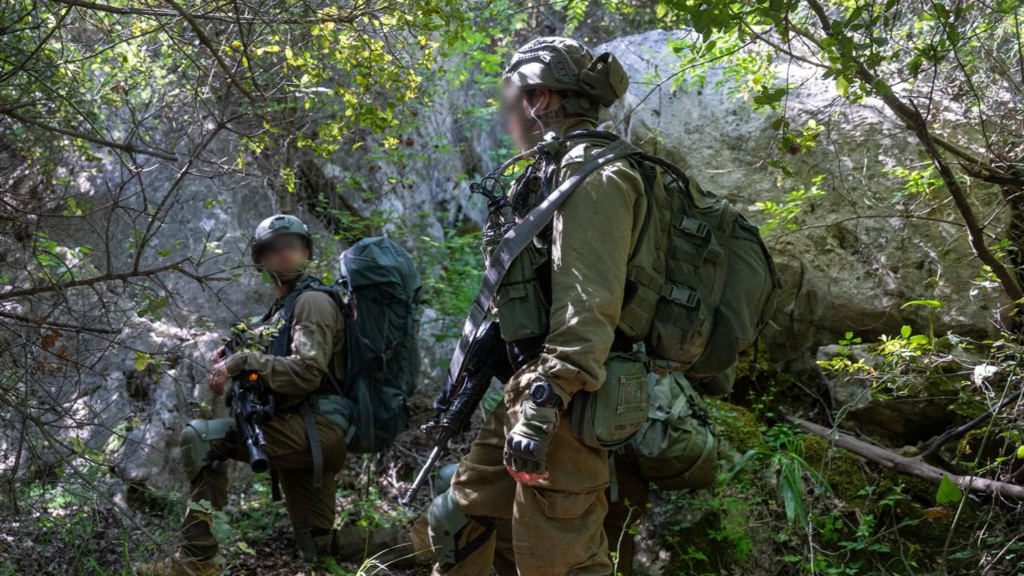
The IDF is sharpening procedures for dealing with explosive drones and terrorist infrastructure. On the one hand, commanders want to complete as many operations as possible. On the other hand, they understand that Hezbollah may become bolder if it believes the fighting is nearing an end or a pause.
Either way, Northern Command is reorganizing the area ahead of a halt in fighting whose nature and rules are still unclear. The decision, IDF officials say, depends directly on the outcome of the negotiations.
According to Northern Command figures, the number of Hezbollah terrorists killed in recent days has crossed 600. The strikes have focused on southern Lebanon, while the IDF has refrained from attacks in the capital.
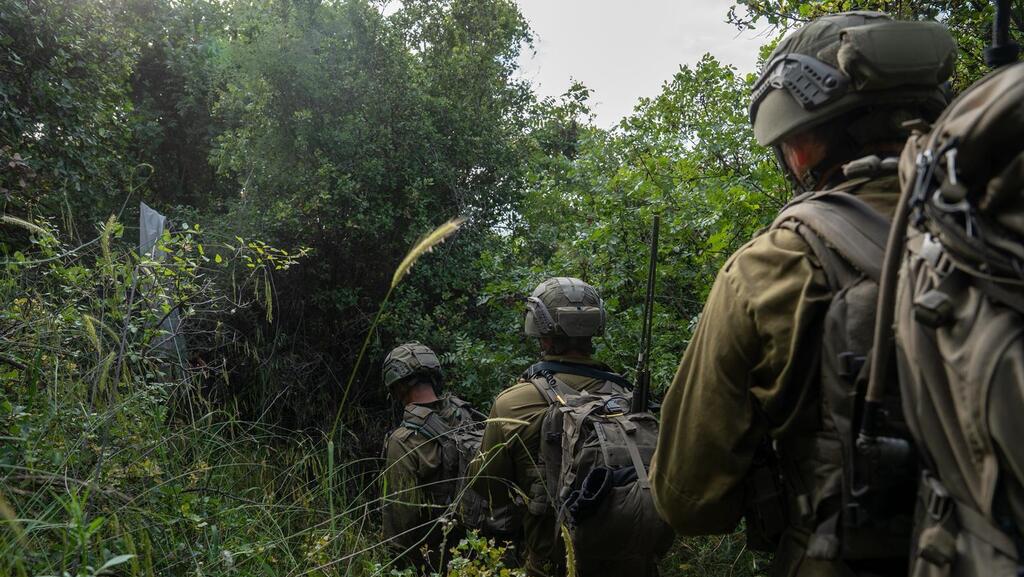
Troops from the IDF’s 810th Brigade operating in Lebanon
(Photo: IDF)
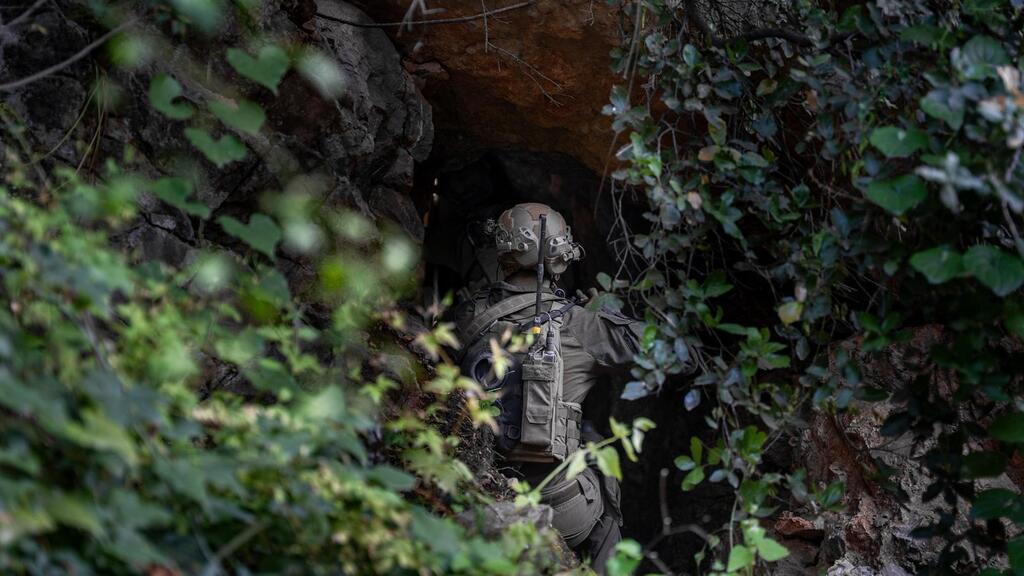
(Photo: IDF)
Even before the current round of talks, the IDF carried out a series of operational moves on the ground aimed at creating better conditions for forces in case of a maneuver, should fighting with Iran resume and U.S. restrictions on IDF activity in Lebanon be lifted.
But the current reality is dictating a different pace.
IDF forces deployed along the border and up to the yellow line continue to operate around the clock to clear the area in southern Lebanon. The goal is to dismantle terrorist infrastructure, both above ground and underground.
Security officials estimate that the work could continue for many more weeks.
“It is definitely hard for us, but it is even harder for Hezbollah,” a senior military official said. “They are losing people every day. They have no motivation to come down to the border, and their infrastructure is shattered.”
“The yellow line is a line, not a wall,” the official added. “If we need to break through it and advance in order to deal with the enemy, it will happen. Everything is dynamic.”
A senior defense official warned that if the emerging Iran agreement is signed in its current form, “it will be a disaster for Israel.”
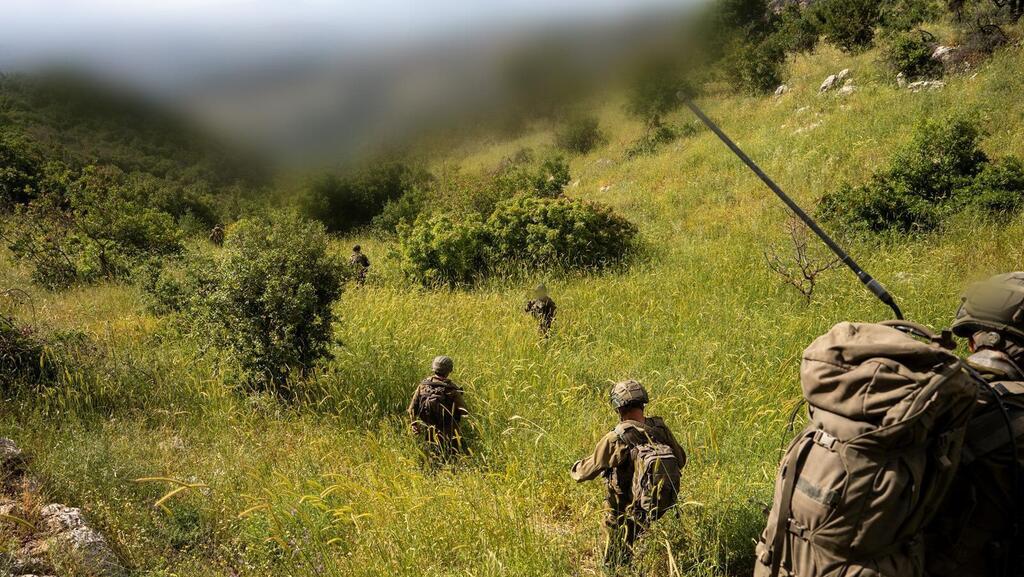
(Photo: IDF)
“The Iranian public and regime are under severe distress in a way that threatens the regime’s survival,” the official said. “With the agreement as it is being presented, they get a way out, with the Strait of Hormuz opened and the blockade on it removed. When the U.S. gives up on continuing the war, it loses the last significant leverage it has over Iran for future negotiations.”
In Lebanon, IDF officials are also concerned about a return to the days of Israel’s former security zone, when troops became static, exposed and vulnerable to an enemy that watched them and studied their movements.
To prevent that, forces are already using different methods. They are regularly shifting between sectors and carrying out more sophisticated operations to make it harder for Hezbollah terrorists to identify targets.
Northern Command is now discussing how to redesign the area around the yellow line in order to prevent direct fire at northern Israeli communities and IDF forces, without turning soldiers into “sitting ducks.”
Several options are being considered: turning cleared areas into permanent static posts; controlling the area through targeted raids; or adopting a combined model.
Security officials who spoke with ynet said any return of Lebanese residents to villages already cleared in the area up to the yellow line would harm the security of northern Israeli residents and troops in the field.
Any such return, if it happens at all, depends in the IDF’s view on Hezbollah being disarmed. The process is expected to be long and could be carried out in stages, beginning in southern Lebanon and then extending to the rest of the country.
Still, no one in the IDF is under the illusion that the process will necessarily happen. But that remains the goal.
The army wants to continue clearing the area even under a ceasefire and will need to create a situation in which the different fronts are disconnected from one another, allowing Israel to strike if it identifies renewed Hezbollah force buildup.
“There is still work to do,” a security official said. “We are not finished.”